Gifts of the season: September

It is controversial if eating only seasonal and locally produced food is better for the environment or our health as it is a complex topic and a lot depends on the region (1). It can be difficult to get the good amount of vegetables during winter and it takes a lot of preparation in the summer to conserve food. On the other hand, it still has some benefits to include locally sourced food in our diet:


It is good economically for the homeland
It can make our diet a bit more diverse

(as we always eat different seasonal vegetables)


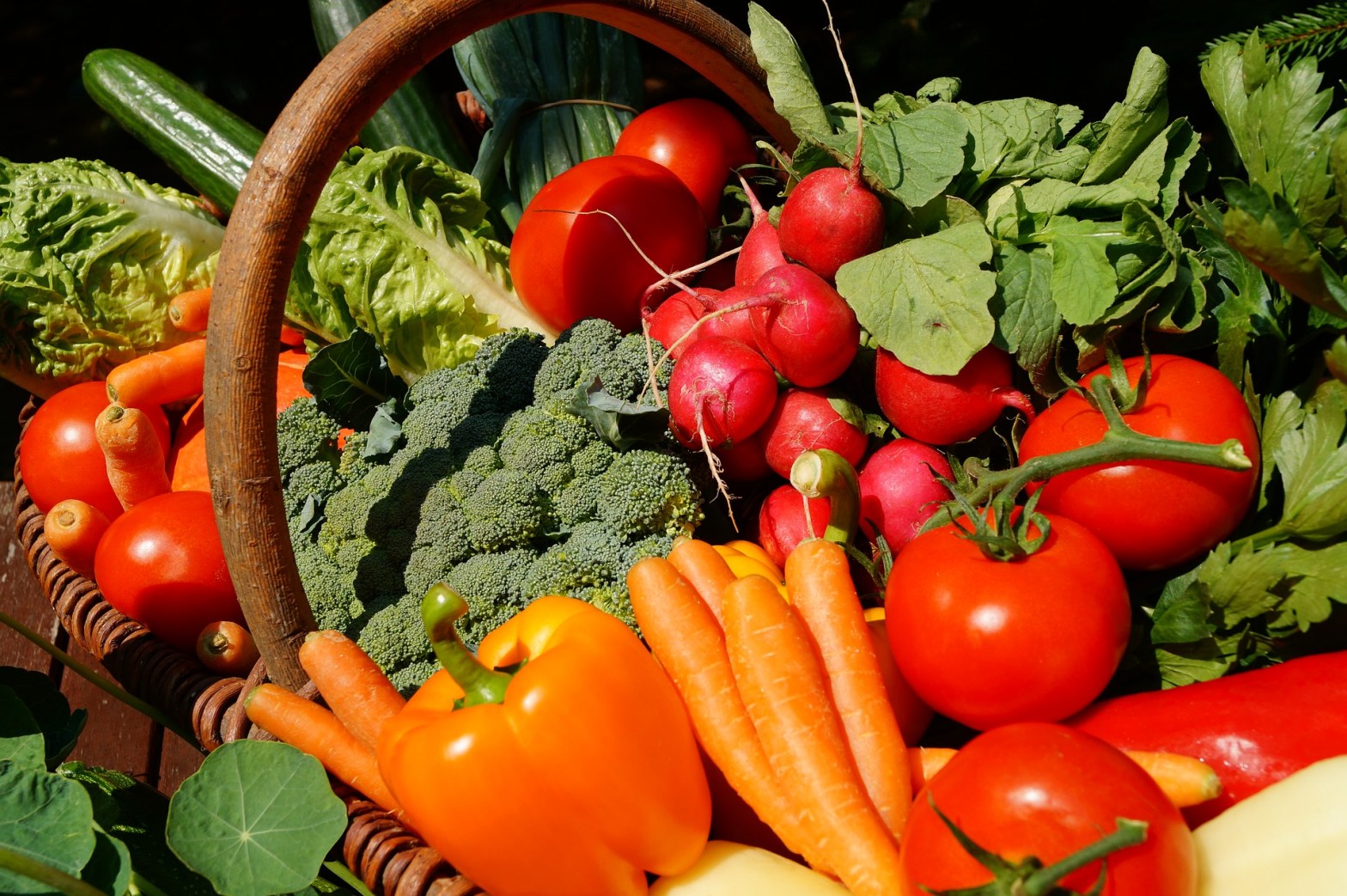
Summer is a good time to focus on eating more seasonal produce, as it is rich in veggies and fruits. Even when eating seasonally it is important to focus on eating all the colours of the rainbow so we can get all the nutrients our body needs (as the colour is defined by the vitamin).

Purple

Aubergine, Beetroot, Radishes, Turnips

They are rich in antioxidants which soak up reactive molecules in our body before they have a chance to harm sensitive tissue like blood vessels.

Red and Yellow

Chilies, Tomatoes, Peppers, Sweetcorn

The vitamin A and C in them promotes immune defense and vitamin C helps in collagen production keeping our skin young and spotless.

Orange

 Butternut squash, Carrots, Pumpkin

The only orange vegetable in season (as there aren’t many of them all together) is Carrot. It gets its colour from carotenoids (vitamin A), they play a role in vision, bone growth, reproduction and a very important part in immunity.

Green

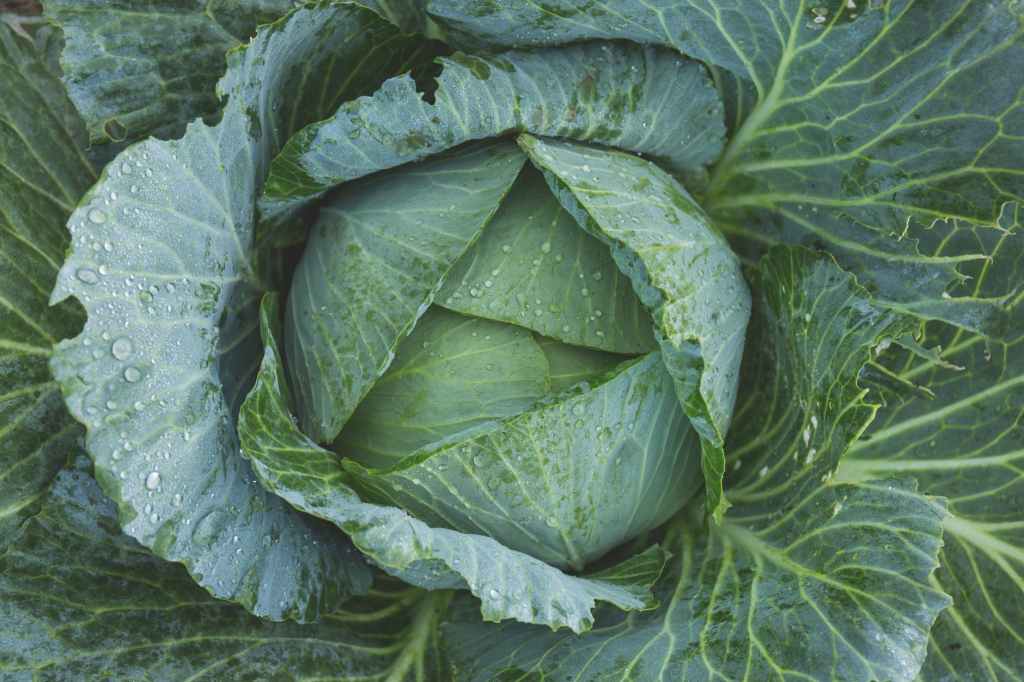
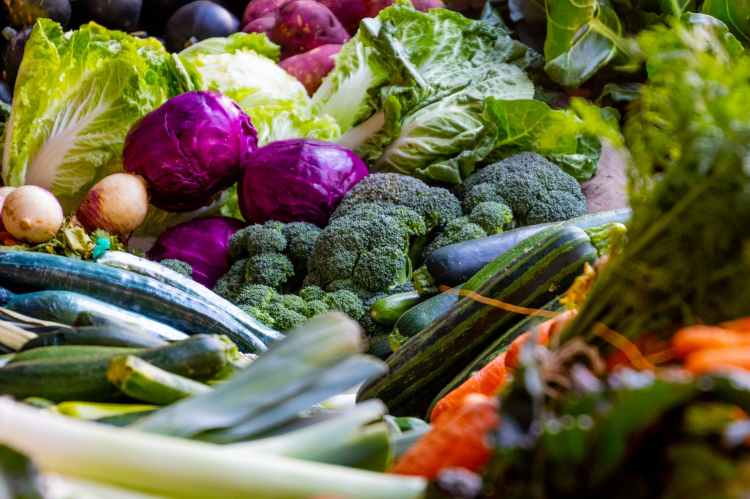
Artichoke, Broccoli, Courgettes, Fennel, Kohlrabi, Celeriac, Celery, Marrow

Green vegetables are rich in Magnesium, which makes us healthier by promoting protein synthesis, muscle and nerve function, blood glucose control, and blood pressure regulation. Broccoli is also a good source of Calcium, that plays a role maintaining blood pressure and normal muscle and nerve function.

Leafy Greens

Salad leaves, Pakchoi, Rocket, Spinach, Watercress, Kale, Kohlrabi, Leeks, Shallots, Spring onions

The Magnesium in them promotes protein synthesis, muscle and nerve function, blood glucose control, and blood pressure regulation. Spinach is a good source of Iron that Carries oxygen and makes some important proteins (haemoglobin, myoglobin) and hormones.

Legumes

Broad beans, French beans, Peas, Runner beans, Mangetout

Beans contain B vitamin that has a role in energy metabolism, carbohydrate / protein metabolism and preventing neural tube defect (birth defect), Iron and Zinc (supporting skin barrier function). Furthermore, it is also a good source of non-animal based protein, perfect if you want to reduce your meat intake.

Fruits

Apples, Bilberries, Blackberries, Damsons, Elderberries, Pears, Plums, Raspberries, Redcurrants

Import: Figs, Grapes, Medlar, Melons, Nectarines, Peaches

The upper mentioned fruits and vegetables are based on the list by Eat the Season and applicable to the UK and for regions with the same climate.


Prepare to enjoy the lovely gifts of September!

Veggie ingredient from the season:

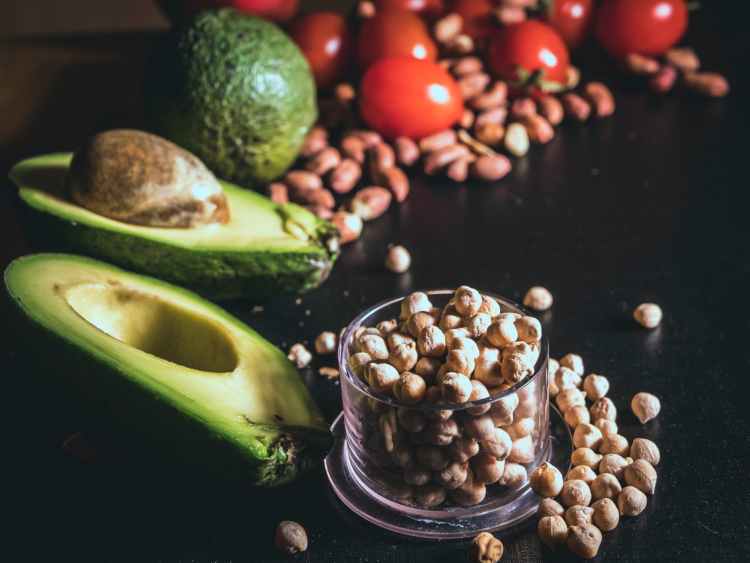
The star of August is Butternutsquash coming fresh in season. It is not only very sweet and delicious but low in calories and loaded with nutrients (high in vitamin A, C and Magnesium among many other micronutrients).

Three recipes at a time:

Fritta

Salad

Hummus

This video presents the 3 dishes mentioned above but you can still make many other simple things out of butternutsquash like soupe or buternurtsquash farfalle pasta.

Resources:

(1) https://www.cambridge.org/core/journals/proceedings-of-the-nutrition-society/article/seasonality-and-dietary-requirements-will-eating-seasonal-food-contribute-to-health-and-environmental-sustainability/08545F71A12EF0FE233E8D1DEFEF227A/core-reader

All seasonal goodies you can eat in September!
#august #veggie #plantbased

Gifts of the season: August

It is controversial if eating only seasonal and locally produced food is better for the environment or our health as it is a complex topic and a lot depends on the region (1). It can be difficult to get the good amount of vegetables during winter and it takes a lot of preparation in the summer to conserve food. On the other hand, it still has some benefits to include locally sourced food in our diet:


It is good economically for the homeland
It can make our diet a bit more diverse

(as we always eat different seasonal vegetables)


Summer is a good time to focus on eating more seasonal produce, as it is rich in veggies and fruits. Even when eating seasonally it is important to focus on eating all the colours of the rainbow so we can get all the nutrients our body needs (as the colour is defined by the vitamin).

Purple

Aubergeen, Beetroot, Radishes, Turnips

They are rich in antioxidants which soak up reactive molecules in our body before they have a chance to harm sensitive tissue like blood vessels.

Red and Yellow

Carrots, chilies, Peppers, Sweetcorn, Tomatoes

The vitamin A and C in them promotes immune defense and vitamin C helps in collagen production keeping our skin young and spotless.

Green

Artichoke, Broccoli, Courgettes, Cucumbers, Fennel, Kohlrabi, Marrow

Green vegetables are rich in Magnesium, which makes us healthier by promoting protein synthesis, muscle and nerve function, blood glucose control, and blood pressure regulation. Broccoli is also a good source of Calcium, that plays a role maintaining blood pressure and normal muscle and nerve function.

Leafy Greens

Lettuce and Salad greens, Pack Choi, Rocket, Watercress

The Magnesium in them promotes protein synthesis, muscle and nerve function, blood glucose control, and blood pressure regulation. Spinach is a good source of Iron that Carries oxygen and makes some important proteins (haemoglobin, myoglobin) and hormones.

Legumes

Broad Beans, French beans, Mangetout, Peas

Beans contain B vitamin that has a role in energy metabolism, carbohydrate / protein metabolism and preventing neural tube defect (birth defect), Iron and Zinc (supporting skin barrier function). Furthermore, it is also a good source of non-animal based protein, perfect if you want to reduce your meat intake.

Fruits

Bilberries, Blueberries, Cherries, Damsons, Greengages, Loganberries, Plums, Raspberries, Redcurrants, Strawberries

Imported: Apricots, Figs, Melons, Nectarines, Peaches 

The upper mentioned fruits and vegetables are based on the list by Eat the Season and applicable to the UK and for regions with the same climate.


Prepare to enjoy the lovely gifts of August!

Mexican stuffed Peppers | Tim Maddams

Veggie ingredient from the season:

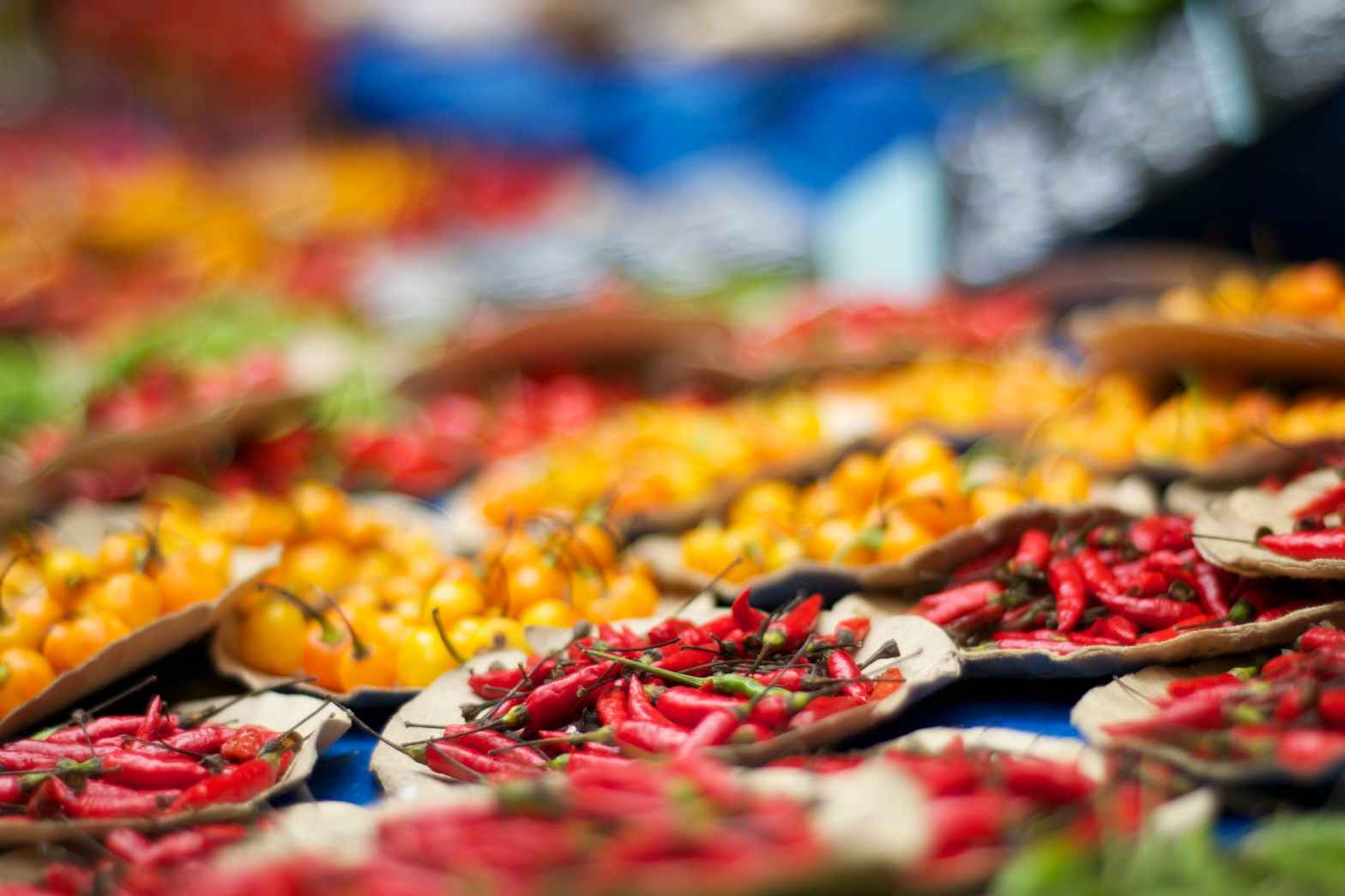
The stars of August are all the different peppers and chilies coming from the garden. This dish is a fulfilling veg wonder that is perfect for lunch in the summer. Besides pepper this recipe includes beans and coriander that also fresh in season. If it is not enough you can still add some corn and stuff that into the pepper making it even more tasty and satisfying.

Resources:

(1) https://www.cambridge.org/core/journals/proceedings-of-the-nutrition-society/article/seasonality-and-dietary-requirements-will-eating-seasonal-food-contribute-to-health-and-environmental-sustainability/08545F71A12EF0FE233E8D1DEFEF227A/core-reader

All seasonal goodies you can eat in August!
#august #veggie #plantbased

2. Step for eating better: Why and how to change your food environment

In an ideal world, we would be surrounded by healthy food and our environment would encourage us to eat well but unfortunately, the reality is far from that. Wherever we turn we see calorie-dense, nutrient-poor and unethically and harmfully produced food. This makes it incredibly difficult to diet or change your lifestyle for the better. It raises the question on how to deal with the constant temptation of cheap and tasty but junk food, if we want to eat healthy, ethically produced food. We can decide just to trust our self-control but we also have the choice to avoid the things we don’t want to eat.


On the long run, it can save a lot of mental energy, although it requires careful planning at the beginning.


We live in an obesogenic environment that not only refers to the available food but our physical, economic, social and political environment (1). We experience it every day when our environment forces us to use the car because we live in a non-walkable neighbourhood, when people with worse economical status canโ€™t afford healthy and ethical food, when policies make unhealthy food more available and when even the people around us push us to just eat the junk food for pleasure. Unfortunately, these are environmental factors that are hard to change but it is possible on a personal micro-level.

Why is it so difficult to take temptation?

This environment keeps us in constant temptation to skip our diet or new lifestyle and just go with the flow eating easily available food. Just imagine yourself walking in the supermarket after a long day hungry and as crossing the sweets section, it can feel almost impossible not to take down the chocolate from the shelf. Or as a vegan, you havenโ€™t prepared enough food for yourself and you are getting hungry, but vegan food is not available. After a while, you will take the temptation and just eat the food served. It takes a lot of self-control and self-regulation to resist our impulses especially if we are hungry or tired.


The reason why controling ourselves is so difficult that it takes a lot of mental energy and has 3 conditions essential to resist temptation: standards, monitoring and operational capacity (2).


Standards are our values and beliefs directing our decision. If our goals are conflicting (eg.: I want to be vegan, but I love the taste of cheese) it already makes it incredibly difficult to resist the temptation. On the other hand, we all have a strong desire to feel good, therefore when we are distressed feeling better becomes the leader of our actions.

Monitoring our actions is the second ingredient of self-control that is very vulnerable. Imagine you are on a diet and you donโ€™t want to eat any cookies but you are in a cafรฉ where you eat just one cookie and because of this you might already decide that your diet is ruined for the day and just lose control over your eating. If someone can restore their monitoring and get in focus again one mistake doesnโ€™t ruin the whole diet.

Our capacity to change is also limited, as we have limited energy for the day. Therefore, when we go to do our shopping after a tiring day it is much harder to resist temptation. During the day we needed to make many decisions taking away a lot from our mental energy leaving less for being able to hold back our impulses in the evening. This is called โ€œego depletionโ€ as a limited resource we have is depleted. On the other hand, this is also like physical strength because practice makes it easier to hold back our impulses.


In conclusion, there are too many pitfalls of self-control making it a real challenge to complete a diet or a lifestyle shift.


Furthermore, taking temptation costs a lot of mental energy that we can use for better, therefore there must be a better solution. That would be the absolute avoidance of the stimuli we want to resist and reducing the daily decision making by forming habits.

Photo by Daria Shevtsova on Pexels.com

The solution: changing your food environment

Changing our food environment also costs energy at the beginning but on the long term it is much more energy sufficient. Changing our food environment helps us to avoid situations where we are meeting with the tempting food we want to avoid and also promotes habit formation making it effortless later on. This results in the retention of our mental energy for other important things (3).


It includes both changing the foods available in the house and changing shopping and maybe eating out practices. The less place we meet the tempting stimuli the better.


1.      Self-monitoring

For changing our food environment first we need to analyse our current habits and weaknesses. For example, if you want to have a plant-based diet first you need to analyse when you are eating meat and dairy products and where you get them. Furthermore, you also shouldnโ€™t forget about eating out, take a look at the places where you used to get food that you like but want to avoid now. Another important thing to realise when our weak moments are. Maybe you are usually tempted to eat meat when you are having a night out with your friends or if you want to avoid junk food maybe you are much more likely to eat them when you are watching a movie. If you know your weaknesses than you can also plan for โ€œemergenciesโ€.

Photo by cottonbro on Pexels.com

2. Planning and changing

After we identified our current habits and weaknesses, we can start planning how to make it possible to avoid the tempting food we donโ€™t want to eat. First, we want to change the food supply in our homes. If we donโ€™t have the food in our house that we donโ€™t want to eat, than after a while we simply forget about it so our mental energy can be spent on something else.


But for changing our food supply we need to change our shopping habits.


Maybe it is possible to still do shopping in the same supermarket just change our route, so we avoid the shelves where the tempting foods are. Maybe it is not enough because our impulses are too strong, so we need to find another store that is more suitable for the goal (eg.: vegan store, health food store). To go back to the previous example if we like to snack during movies, it would help a lot to find an alternative healthy snack and make junk food disappear from our house. We need to determine the foods we want to cut out or change and plan what to buy instead. If this is all planed than we took care of our everyday food supply promoting our new lifestyle or diet.

On the other hand, there might still be hidden traps that makes it important to examine our weaknesses. For example, you would like to cut out sweets but on your morning route to your workplace you pass by a cafรฉ with cakes and you are just tempted to buy one. In this case to avoid the temptation you can re-plan your root so you donโ€™t have to worry in the morning.

As I mentioned before to plan all this takes energy, but this is an investment for the future so we can concentrate on more important things. If we manage to cut out all these tempting situations from our day, we spare our mental energy for more important tasks and our lifestyle or diet also has a better success rate. We are fallible people and we cannot trust only on our self-control and regulation to do the job.


The success proof solution is to make our environment suitable for our goals so self-regulation becomes an unnecessary waste of energy.


References:

  1. Kirk, S. F., Penney, T. L., & McHugh, T. L. (2010). Characterizing the obesogenic environment: the state of the evidence with directions for future research. Obesity Reviews11(2), 109-117.
  2. Baumeister, R. F. (2002). Yielding to temptation: Self-control failure, impulsive purchasing, and consumer behavior. Journal of consumer Research28(4), 670-676.
  3. Phillippa Lally & Benjamin Gardner (2013) Promoting habit formation, Health Psychology Review, 7:sup1, S137-S158, DOI: 10.1080/17437199.2011.603640

1. Step for eating better: How to set SMART goals

If you want to have a healthier and more sustainable diet it is important to plan how to reach this goal as Good goal setting is the key to success. But how to set good goals towards change? As a guide of our action, we can use the model of Proactive goal setting, which gives a nice frame to our acts and the tracking of our development (1).

Steps of goal setting:

1. Envisioning

As a first step of setting a goal, we need to envision the change we want to achieve or the goal we want to reach. As an example, letโ€™s say that the goal is to eat more vegetables because right now our diet lacks them and it would mean a big improvement. It might even help more to picture the actual future event in our head as we are eating those lovely veggies and all the benefits we hope to get from this goal (eg.: having a healthier body or helping the environment). If you want to have a healthier body you can also imagine how it feels or if you are wishing to be more environmentally conscious you could imagine how it makes the world a better place and gives the Earth a breather. You want to keep these pictures and feelings in your mind while planning your actions and reaching towards your goal, as it can be a good motivator on the way.

2. Planning

When we have the exact goal in our mind the next step is to plan how to reach this envisioned future. The SMART goals model will serve as a guide for the planning process as it is easy to understand. Because of its structure, it is widely used and applied in various settings (2, 3).  The name of the model is made out of the five guiding principles:

  • S is for Specific
  • M is for Measurable
  • A is for Achievable
  • R is for Relevant
  • T is for Timed

To set a goal according to these guidelines we need to break down our envisioned future into more specific and trackable portions. I will use the previous example to introduce the planning process. The first thing is to make the goal of eating more vegetables more specific. If we set an amount and regularity to this goal it makes it more specific and measurable. In this case, the goal will be to eat vegetarian dishes for lunch 3 times a week. The creation of a schedule makes it more timed and measurable. Therefore it is useful to determine the specific days we want to eat these vegetarian dishes eg.: Monday, Wednesday and Friday. There is only one thing left to plan to make our goal even more achievable: where and how to get the food. We can decide to have a shopping day on Sunday when we buy the ingredients for the 3 vegetarian dishes and even determine where to buy them. Or we can look for a diner near to our working pace where they serve vegetarian dishes.

R for Relevant

At this point, there is only one letter of this acronym left โ€œRโ€ for relevant. This is a less practical but abstract part of the planning process as it refers to the motivational background of the goal. The goal is only reachable if it is relevant enough to take the energy to fight the throwbacks. The proactive motivation model (1) determines three aspects of the motivation that influences the achievability of a goal.

First is the reason, which is the easiest to analyse as it throws us back to the topic of envisioning, as what we imagined at the beginning is our reason to engage in the goal-setting process. In our example, it was the health or environmental benefit of eating more vegetables. Another component of our motivation is our self-efficacy, the belief of our abilities to reach the envisioned goal. This is a component that can not be neglected as can have a great influence on our success. It worth to think through what abilities we have and consider what kind of barriers might hold us back from reaching the final goal. For example, we might think that after the first week we would get bored of the variety of vegetarian food we eat, as we can only prepare a few, and this might even get us to the point of giving up on our goal. The solution for this situation can be to look for new recipes every week or to choose more different vegetarian diners where we can eat. This gets us to the next component, our energy and passion to reach the desired goal. It is important to have enough energy to fight throwbacks on the way and to be determined enough to keep up until the goal is reached, in this case until eating vegetarian dishes becomes an effortless habit.

Enacting and Reflecting

After we planned all aspects of our action and analysed our motivation which allowed us to plan for throwbacks, the only thing left is to take those planned actions towards our goal. Thanks to the careful planning, we made it easy to track our progress and stop for self-reflection now and then. After the first two weeks of eating vegetarian dishes three times a week it worth to take the time to look back on how our plan is working and adjust it. Maybe we find it more difficult than we thought to avoid meat, so we need to make a research on how to replace meat in different recipes. Or we feel like we are not getting full with the vegetarian dishes, therefore, need to raise the portion. On the other hand, it is even more important to celebrate our achievements and progress and give ourselves a well-deserved treat.

The whole planning process together

As a summary here is the example of the planning process to make the whole picture more seethrough:

  1. Envisioning the goal of eating more vegetables and the benefits and good feelings associated with it
  2. Making a specific plan on how to reach this goal
    • Determine the quantity: eat 3 vegetarian dishes a week
    • Determine the timing: on Monday, Wednesday and Friday
    • Making it more achievable: Planning when and where to buy the ingredients for the dishes and when to find time to cook or find vegetarian diners where we can eat
  3. Examine our motivation and plan for throwbacks:
    • Keep the reason in mind (having a healthier body/environmental benefit)
    • Examine our ability: What can be a difficulty for me on the way? It can be the monotony of the vegetarian dishes so we need to plan for introducing more variety
    • Energy to fight throwbacks: Keeping myself motivated and organised until the point when eating vegetarian dishes becomes a habit and costs no extra energy anymore

This is the whole guide for planning to reach your desired diet goal. If a goal is more complex like becoming vegetarian or cutting out sugar it is also important to break it down into subgoals and deal with one chunk at a time, setting SMART goals for each of them. This way a complex goal can still stay more manageable. Good luck with your goal planning and never forget about the original reason that made you work towards your goal.

References:

  1. Parker, S. K., Bindl, U. K., & Strauss, K. (2010). Making things happen: A model of proactive motivation. Journal of management36(4), 827-856.
  2. Bovend’Eerdt, T. J., Botell, R. E., & Wade, D. T. (2009). Writing SMART rehabilitation goals and achieving goal attainment scaling: a practical guide. Clinical rehabilitation23(4), 352-361.
  3. Pimentel, S. (2008). Goal setting and outcome measurement in a wheelchair service: A client-centred approach. International Journal of Therapy and Rehabilitation15(11), 491-499.

The many benefits of Omega-3

All nutrients in our diet have a crucial role in our bodiesโ€™ function, from this fats are no exemption.  Even more, there are some nutrients that our body cannot produce, therefore must be present in our food, like Omega-3. The key to supply our body by all it needs is a balanced and colourful diet. We mustnโ€™t forget about any of the food groups and use the resources given to us wisely.

The fuel of our brain

Fats are essential for our brain as it is composed of about 60% fat (when water is removed) and these fats are mainly derived from our food directly affecting the structure and substance of the brain cell membranes and thus our cognitive performance (1). The lipid coverage of neuron cells (myelin sheath) for example speeds up the information processing of our body and lipids also have a role in the development of new neurone cells (which happens not just in early age but throughout our lifetime).

Omega-3 and Omega-6 are fatty acids vital for the brain, constituting about 30-35% of total brain fatty acids (2). They belong to the group of essential fatty acids, that canโ€™t be made within our body, therefore must be derived from the diet. This illustrates how the lipid composition of our neurons can be influenced by our diet to a certain degree. Omega-3 deprivation can have negative consequences on our brain activity meanwhile increased consumption even has the possibility to slow down mental decline (2). Even more, Omega-3 is not only beneficial for our cognition but a regulator of inflammation, immunity and sleep (2).

Helps cognitive development

Omega-3 is especially important for the developing brain of embryos and infants as it plays a big role in the development of new neurons and the activation of existing neurons (2). Both embryos and infants get their nutritional supply from their mother, whose forewater and milk is affected by her diet. During infancy, breastfeeding thought to be a good source of the necessary nutrients including Omega-3, although the nutrient content of the milk is determined by the motherโ€™s diet, therefore it is important not to forget to take care of mothersโ€™ Omega-3 intake (5). Studies also show direct benefits of it in childhood as it can result in better problem solving, attention, and processing speed in infancy; less distractibility in toddlers; and better attention in preschool and school-aged children.

Slows down mental ageing and dementia

It is generally proven that Omega-3 lowers the risk of cognitive decline and that Alzheimerโ€™s disease is strongly correlated with a decrease in Omega-3 levels in the brain and peripheral tissues. Furthermore, lover levels of Omega 3 in late middle age is a marker of structural and cognitive ageing. There is great hope in Omega-3 to be a solution for cognitive decline late in life as it is easily available, cheap and side-effect free. On the other hand, higher proportions of both saturated fat and Omega-6 were associated with greater risk of decline (2). Human life is constantly growing, and we struggle more and more with age-related mental issues. Making changes in our diet is a small sacrifice for long-lasting mental fitness and a promising tool to live even the last years of our lives on the fullest.

Although, eating enough omega 3 when the damage is already done might not be the best solution.  It is also important to have nutritional balance as a healthy adult as it has a preventive role. By eating adequate amounts of Omega-3 we can prevent later cognitive decline and might be able to fight Alzheimer disease even before it would start. Furthermore, it also has immediate benefits like better reaction-time during performance on an attention task as well as improvement in our mood assessments (2).

Why pay special attention to it?

Adequate Omega-3 intake is especially problematic in western society, as our everyday diet is rich in Omega-6 but lacks Omega-3 sources. The dietary intake of Omega-6 is 5-20 times higher than Omega-3, as the prior can be derived directly from meat, dairy products and grains (4). This ration shouldnโ€™t be equal but most of us are far from the balanced state. The ratio of Omega-6 to 3 has increased considerably during the last 150 years which lead to serious consequences for brain function and mental/neurological health and thought to be the cause of certain cognitive impairments. The promising situation is that the reintroduction of more Omega-3 in our diet restores deficiency-induced cognitive impairments. This is a ground-breaking finding for the elderly of our population and people growing up on a western diet low in fish oils.

Where to get it?

One of the richest sources of Omega-3 fatty acids is oily fish (especially cold-water fatty fish, such as mackerel, tuna, herring, salmon, seabass, trout and sardines) and other seafood (oyster, shrimp). These animals are high in Omega-3 because of their diet of seaweed and algae which are also good sources of Omega-3 for human. Although the best sources of Omega-3 are in the sea, there are still some plants that can provide our body with this essential nutrient. There is a form of Omega-3 that our body can derive and use from vegetable sources like flax, soy, rapeseed, walnuts and plant oils (such as flaxseed oil, soybean oil, and canola oil) (2).

In conclusion, there are many promising findings on the role of omega 3 in our mental fitness. This means by taking care of the adequate supply of this nutrient we can support the cognitive wellbeing of our children and prevent cognitive decline later in life. Foods containing Omega-3 are available for everyone and it only depends on us if we are taking advantage of it or not.

References

  1. Cornah, D. (2006). Feeding minds: the impact of food on mental health. London, UK: Mental Health Foundation.
  2. Calder, P. C. (2012). Mechanisms of action of (n-3) fatty acids. The Journal of nutrition142(3), 592S-599S.
  3. Brenna, J. T., Varamini, B., Jensen, R. G., Diersen-Schade, D. A., Boettcher, J. A., & Arterburn, L. M. (2007). Docosahexaenoic and arachidonic acid concentrations in human breast milk worldwide. The American journal of clinical nutrition85(6), 1457-1464.

The many benefits of Omega-3
#mentalhealth #nutrition #cognitiveperformance

Gifts of the season: July

It is controversial if eating only seasonal and locally produced food is better for the environment or our health as it is a complex topic and a lot depends on the region (1). It can be difficult to get the good amount of vegetables during winter and needs a lot of preparation in the summer to conserve food. On the other hand, it still has some benefits to include locally sourced food in our diet:


A very It is good economically for the homeland
It can make our diet a bit more diverse

(as we always eat different seasonal vegetables)


Summer is a good season to focus on eating more seasonal produce, as it is rich in veggies and fruits. Even when eating seasonally it is important to focus on eating all theย colours of the rainbowย so we can get all the nutrients our body needs (as the colour is defined by the vitamin).

Purple

Aubergine, Beetroot, Radishes, Turnips

They are rich in antioxidants which soak up reactive molecules in our body before they have a chance to harm sensitive tissue like blood vessels.

Red

Chilies, Tomatoes, Carrot

The vitamin A and C in them promotes immune defense and vitamin C helps in collagen production keeping our skin young and spotless.

Green

Artichoke, Broccoli, Courgettes, Fennel, Kohlrabi

Green vegetables are rich in Magnesium, which makes us healthier by promoting protein synthesis, muscle and nerve function, blood glucose control, and blood pressure regulation. Broccoli is also a good source of Calcium, that plays a role maintaining blood pressure and normal muscle and nerve function.

Leafy Greens

Salad leaves, pakchoi, rocket, Spinach, Watercress

The Magnesium in them promotes protein synthesis, muscle and nerve function, blood glucose control, and blood pressure regulation. Spinach is a good source of Iron that Carries oxygen and makes some important proteins (haemoglobin, myoglobin) and hormones.

Legumes

Broad beans, French beans, Peas, Runner beans, Mangetout

Beans contain B vitamin that has a role in energy metabolism, carbohydrate / protein metabolism and preventing neural tube defect (birth defect), Iron and Zinc (supporting skin barrier function). Furthermore, it is also a good source of non-animal based protein, perfect if you want to reduce your meat intake.

Fruits

Bilberries, Blueberries, Cherries,ย Goosberries, Greengages, Strawberries

Imported: Apricots, Kiwi fruit, Melons, Peaches

The upper mentioned fruits and vegetables are based on the list by Eat the Season and applicable to the UK and for regions with the same climate.


Prepare to enjoy the lovely gifts of July!

Veggie ingredient from the season:

What else would be the star of July then tomato? It is juicy it is sweet and just feels so good to take a bite of it in the sunshine, also an essential part of the Mediterranean diet. This Bruschetta is perfect to make for breakfast, as an appetizer or just as a simple afternoon summer snack.


Resources:

(1) https://www.cambridge.org/core/journals/proceedings-of-the-nutrition-society/article/seasonality-and-dietary-requirements-will-eating-seasonal-food-contribute-to-health-and-environmental-sustainability/08545F71A12EF0FE233E8D1DEFEF227A/core-reader

All goodies you can eat in June!
#july #veggie #plantbased
Why our eating habits are less sustainable now than before?

More and more studies show that our eating habits are not sustainable in the long run anymore, as our planet can’t keep up with the demand. Although, how did we get here, and what are the exact reasons that make it so emitting? It has many contributing factors from better living standards, through population growth, to our eating habits. Let’s take a closer look.

The rapid world population growth

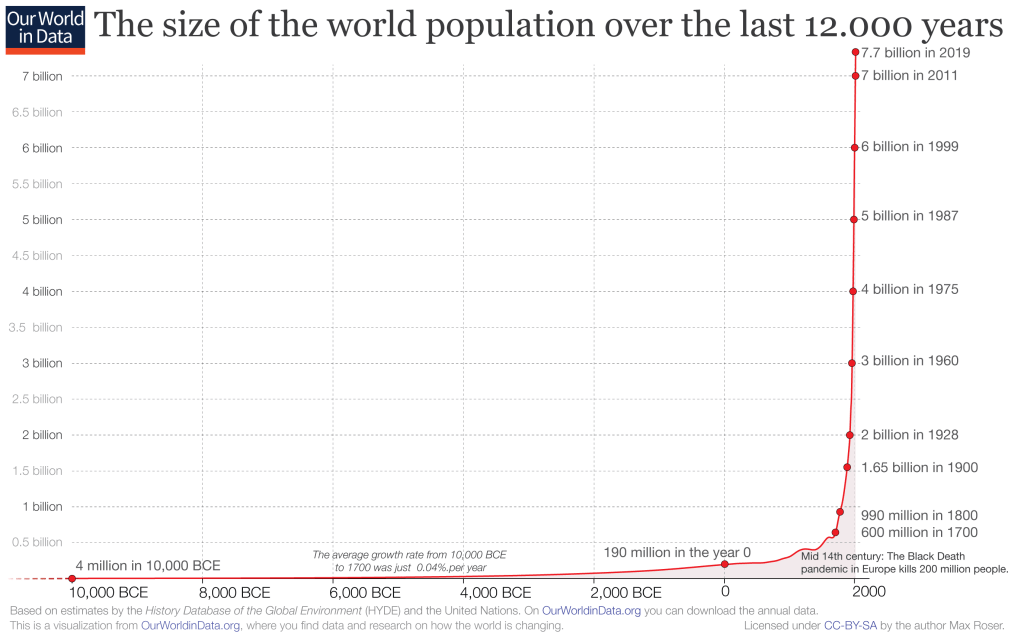
The world population went through rapid growth in the previous years as it grew from 1 billion people to 7.7 billion only within two centuries (1). This means that seven times more people call this world home than only one hundred years ago. This, in itself, is a good thing, indicating that medical science developed swiftly, allowing more people to live a long and complete life.

At the moment, the most densely populated areas in the world are Southern Asia and Europe followed by America. From these, the European and American population is slowly growing at this point, while the Asian population went through rapid growth in the previous 50 years. Even though the rate of the world population growth is slowing down, estimations indicate that the size of the human population can even reach 10 billion in the next 100 years (1).

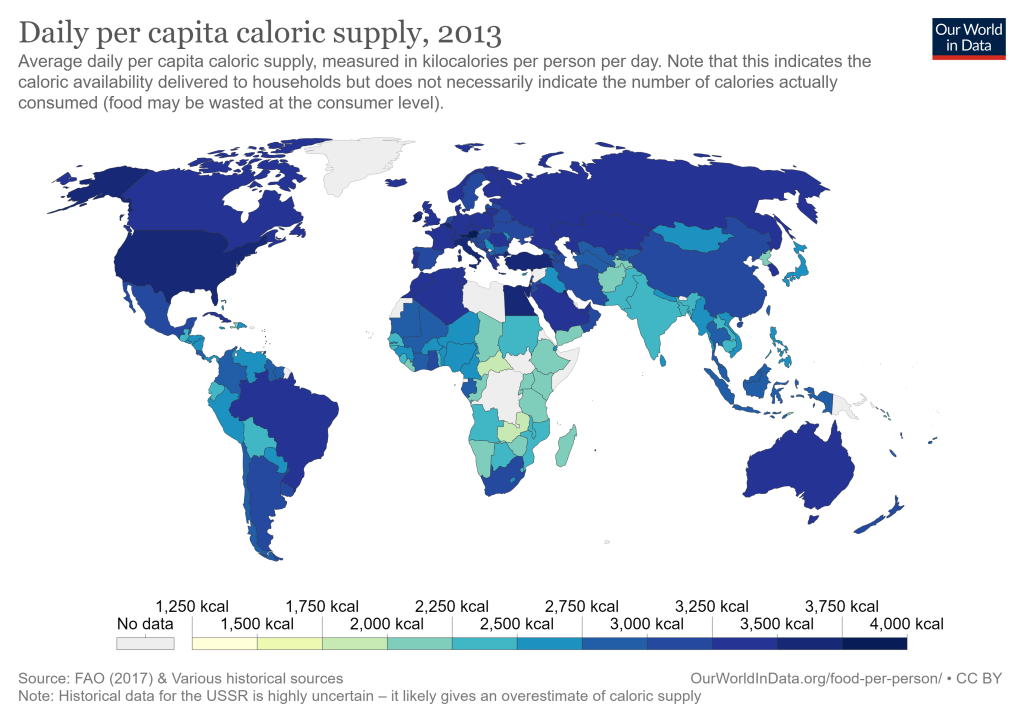
Food consumption at different parts of the world

Better living standards, and technical and social progress also brought higher consumption rates. Therefore, our food consumption patterns have changed a lot in the previous years. The average calories consumed in the world per person per day was 2,196 calories in 1961 and is 2,884 calories today and is continuously growing (2). Furthermore, America and Europe are way above the world average with eating more than 3200 calories per person per day, although our natural energy requirement only hits 2100-2300 calories a day.


This leads to an extreme increase in food demand around the world meaning 7 times more people need to eat than a hundred years ago and these people want to eat more calories than ever before.


Meat consumption at different parts of the world

We, humans, have eaten meat ever since we exist, we say, but we have to realise that we are eating more animal-based protein than ever before. The trends of meat consumption have changed throughout the years. In Europe, people today eat 58 grams of animal protein a day 18.18 grams more compared to 1961, and it keeps on growing. Meanwhile, in the USA, an average person consumes 73.87 grams of animal protein a day (2) (3). In conclusion, the increasing number of people populating this planet eat more animal products per capita (especially the western population). This increased demand logically leads to an increase in meat and also dairy production (4).

โ€œIn 1961, the world ate 71 million metric tonnes of meat, but by 2002 this had risen to over 245 million – more than a three-fold increase.โ€
(World Health Organisation, 2004)


Environmental costs

The natural environment and the animals pay the price of this rapid increase in demand for food leading to deforestation, animal suffering and loss of biodiversity. Although, it is not just the animals who should be afraid, but us!


26% of global greenhouse gas emission comes from agriculture (more than all transportation together) which adds a great amount to climate change (6).


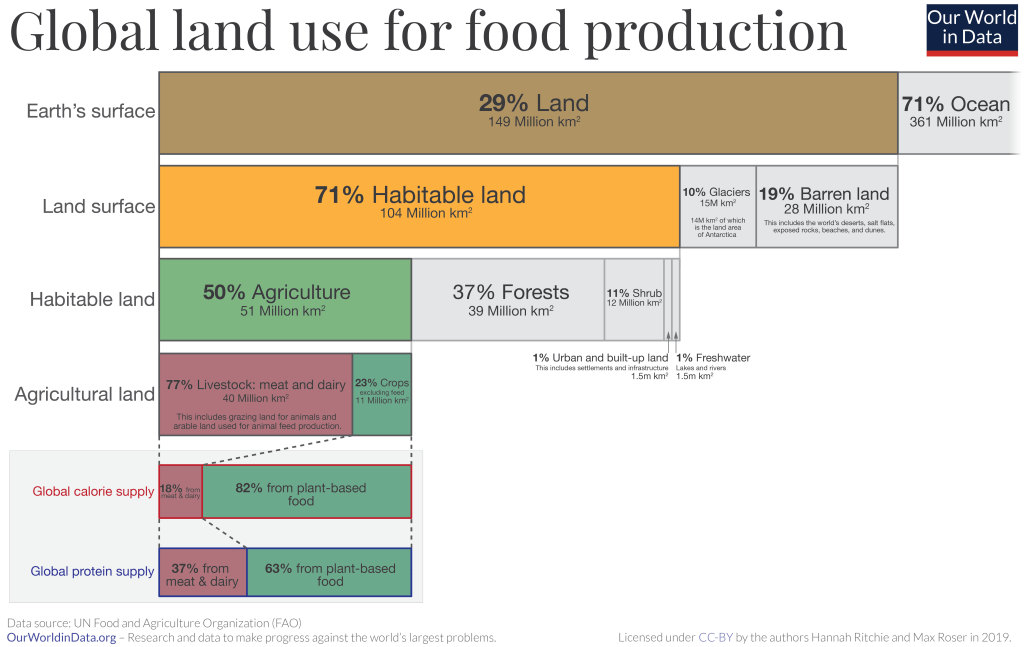
As you can see on the picture below, today half of the worldโ€™s habitable land is used for agriculture and 77% of that land is for livestock, meanwhile, only 1% of this land is urban area (which includes all human infrastructure) (6). Are you surprised? Because I was when I found out about it.

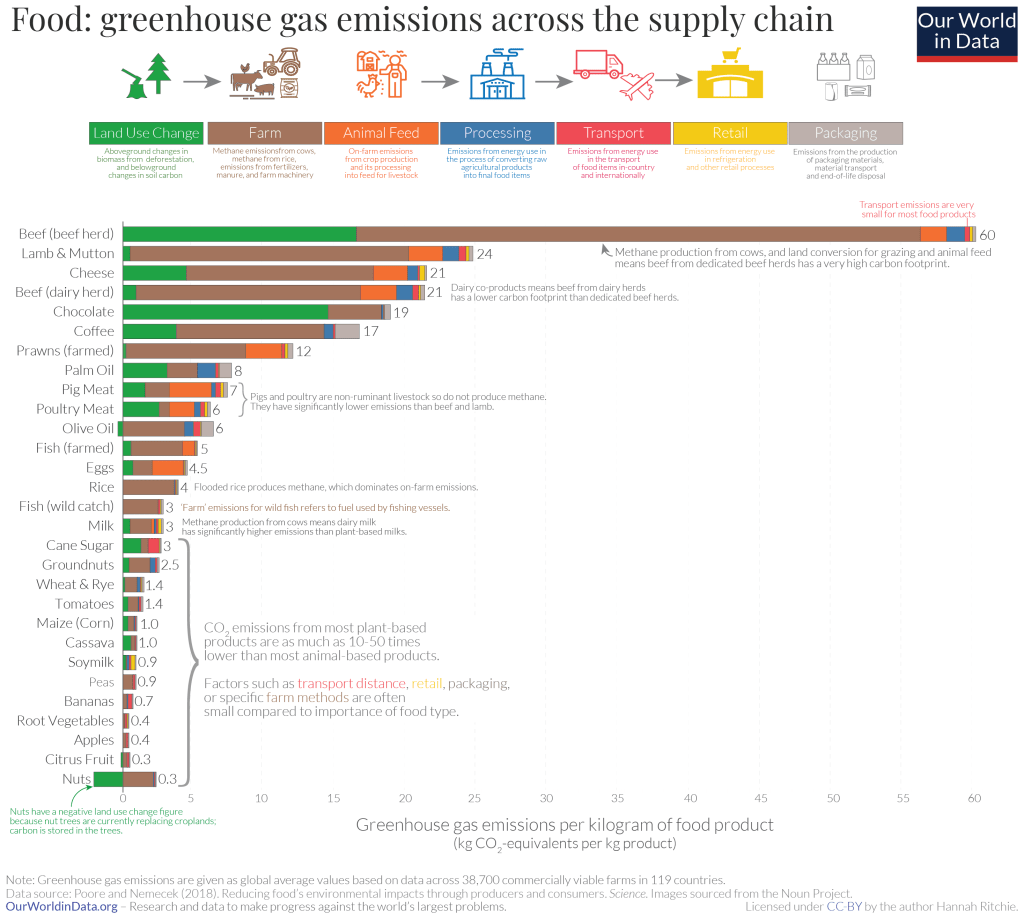
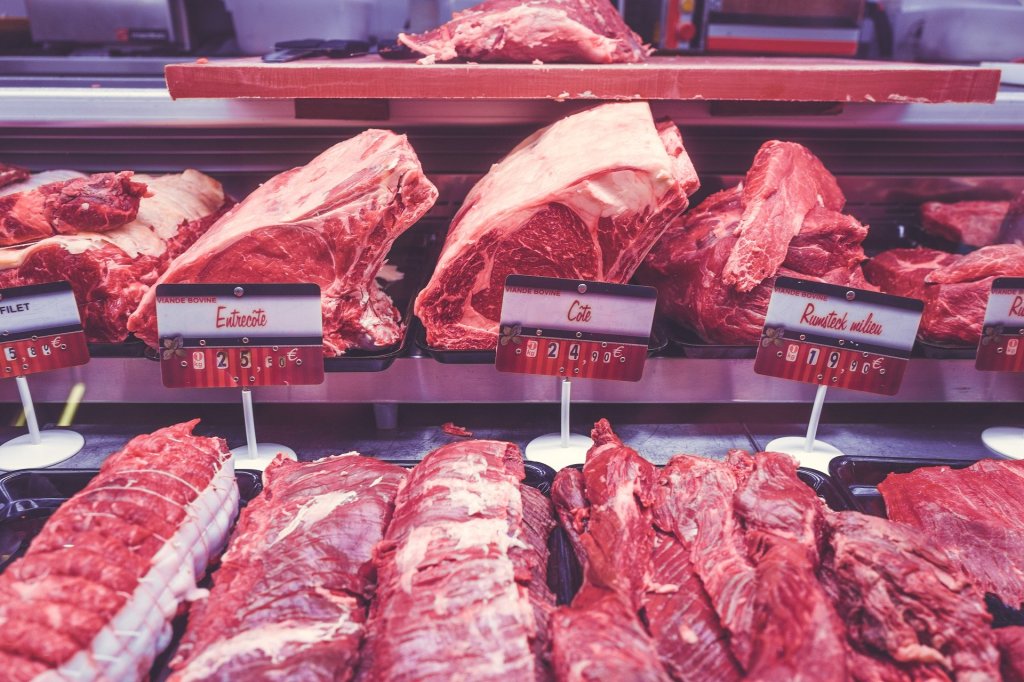
Although we keep this huge land for livestock, we only get 18% precent of our daily calories from animal products globally. From the many different kinds of livestock Beef, Lamb and Mutton have the biggest land usage and the biggest environmental impact. Their environmental impact is measured by greenhouse gas emission per kilogram of the food product.

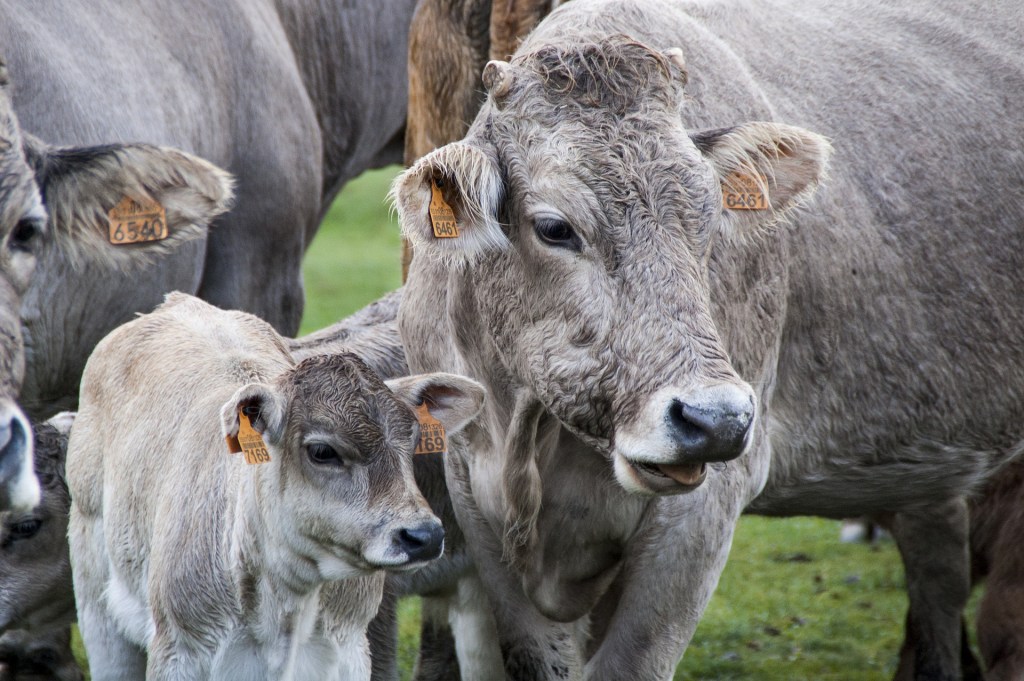
The environmental impact of different foods is made out of land usage, farming (methane emission by animals, fertilizers and machines), animal feed processing, transport, retail and packaging. This chart shows what makes the beef, lamb and dairy industry the most emitting of all: land usage and farming (7). Keeping these animals requires a lot of space and they also release methane gas as part of digesting their food which results in enormous amounts of greenhouse gas emission. 989.03 million cows lived in the world in 2019 (8), which means there is a cow for every 7th person. It also means that the cow population is just as big as the human population was 200 years ago and most of these cows only live to feed us.

To sum up, we know that the world population is growing, and each person eats more calories per day than ever before. Furthermore, although we reserve a lot of land for livestock, only a small portion of our calory intake is covered by meat. Forests need to get cleared to provide the farmland needed. Moreover, while the trees are going down, the greenhouse gas emission is growing. The most greenhouse gas emission is associated with animals that supply us with red meat: cows, sheep and goats. From these, cowherds have the largest livestock population, making cow farming the most emitting sector in food production.

You have the power to make a change!

Food production is determined by the demand, meaning if we decide to eat less beef and drink less milk, we can reduce the emission of cow farming. Cutting our beef, red meat, and dairy consumption would make a big difference as it has the potential to slow down global warming. You can even make a difference by deciding first to keep a meat-free day each week and later even to keep beef as a โ€œholiday mealโ€. The possibility is there for everyone, and every little difference you can make in your diet has the potential to reserve better living conditions for our kids/grandkids. If you want to know more about a sustainable diet for the future, click here.

References:

  1. https://ourworldindata.org/world-population-growth?source=post_page—–d904819ea029———————-#licence
  2. https://ourworldindata.org/food-supply
  3. https://ourworldindata.org/diet-compositions
  4. https://ourworldindata.org/meat-production
  5. World Health Organization. (2004). Food and agriculture organization of the United Nations. Vitamin and mineral requirements in human nutrition2
  6. https://ourworldindata.org/environmental-impacts-of-food
  7. https://ourworldindata.org/food-choice-vs-eating-local
  8. https://www.statista.com/statistics/263979/global-cattle-population-since-1990/

The Best Diet for your Health and the Environment

Our diet can have a diverse effect on our bodyour mind and even the climate. Although it is hard to wrap our head around these things and see the whole picture when we get the information in bits and pieces. What to eat that both contains all essential nutrients and has a low carbon footprint so just as good for our overall health as the climate. Although our diet is a good tool for making a change so it is worth to take the time to shape it.


Since we have the potential to handle the biggest health and environmental crisis of our time by only shaping our way of eating, all of us has the power in their hand to make a change.


Vegetables and Fruits

From a health perspective it is essential to have all nutrients in our diet that our body needs, we can achieve it by having a diverse diet with a selection of vegetables. Eating a lot of vegetables rich in micronutrients can increase our overall everyday energy level and mental wellbeing. Outside of this, eating vegetables have preventive properties against diseases like type 2 diabetes, hypertension and Coronary heart disease and some type of cancers (the oral cavity, oesophagus, stomach and colorectum) (3, 4, 5). Including vegetables in our everyday diet can also be protective against gaining unwanted weight and keeping us in a good shape (2), as it fills up our stomach more than processed food and gives the perfect selection of vitamins.

Moderate Meat and dairy

Another important aspect of good health is moderate meat and dairy consumption as essentila nutrients are needed from animal sources but a high consumption of animal fats and red meat can have bad health consequences. It is also a dietary change that can be very helpful in weight management if regularly applied as these are calorie-dense foods (2). High intake of saturated fats can also be a risk factor for type 2 diabetes, hypertension and coronary heart disease and colorectal cancer (3,4,5). Even when meat consumption gets lowered it is almost impossible not to have enough protein, as currently we are over consuming meat and the meat that gets taken out of the diet can be replaced by vegetable sources of protein like pulses and beans. If the main body of our everyday diet is made out of vegetables and enriched with meat 3 times a week, we have a good balance for our health.

Seafood and grains

Although it is not only about vegetables and meat, it is also important to keep an eye on our fish consumption. Fish is also a good source of protein and the best source of omega 3 fatty acids that is essential for good brain function and can be protective against type 2 diabetes (3). We also shouldnโ€™t forget about whole grains as they are also a good source of fibre, carbohydrates and some vitamins. Replacing some pastry products with their whole-grain alternative and eating cereals for breakfast is a good way of introducing more whole grains in our diet.

The environmental footprint of products

Now let’s take a look at the environmental footprint of the different food products and diets, as the production of different foods has different greenhouse gas emission. Based on a study made in Europe (7), on a per kg product basis, beef has by far the highest GHG emission with 22.6 kg CO2-eq/kg, milk had an emission of 1.3 kg CO2-eq/kg, pork 3.5 kg CO2-eq/kg, poultry 1.6 kg CO2-eq/kg, and eggs 1.7 kg CO2-eq/kg. This shows that red meat is the product that has the greatest impact on our environment so it should be eliminated from our diet.

European diets

Although when we are talking about the harm of meat consumption in Europe, people tend to point towards Americans claiming that they are the ones that are responsible for the over consumption of meat. A study shows that in many European countries the meat consumption is very high and the ratio of vegetable and animal energy is very low resulting in a high intake of animal products and fats and low vegetable consumption (8). On the other hand, it is also true that the vegetable intake is much higher in eastern European and Mediterranean regions. The same paper also highlights the importance of lowering red meat and dairy consumption as drivers of the environmental impact of food production.


Dear Europeans it is time to take responsibility for our own actions!


Ideal diets

We hear it all the time that the vegan diet has the lowest environmental impact as all animal products (the big pollutants) are excluded entirely. Although, not all of us is ready to give up meat consumption entirely and it also has health disadvantages as we can not get all necessary nutrients from vegetables (eg.: b12 and omega 3). If you feel like this donโ€™t worry, there are other solutions that you can choose to participate in saving the world.

A study compared different diets and their impacts on the environment and showed how big effect even lowering our meat consumption can have on the environment (6). They measured the emission of diets by kilograms of carbon dioxide equivalent per day and high meat diet had 7.19 kgCO2e/day, while low meat diet only had 4.67, fish-eaters had an emission of 3.91, vegetarians 3.81 and vegans 2.89.


It shows how big difference it makes even to choose a low meat-eater diet as it almost cuts our emission in half.


Furthermore, fish-eaters and vegetarians have nearly the same emission. These three diets can be good choices to have all the necessary nutrients in our diet and still lower our environmental impact

Mediterranean Diet

A Mediterranean diet is a good choice to both promote our wellbeing and the wellbeing of the environment. The surprising thing that everything good for our health is also good for the planet because nature is just designed it so well. It might sound too good to be true, but it is not, and it doesnโ€™t even hard work to reach this goal since we just need to buy the right food. 

To reach this diet we need to lower our meat consumption to a low meat diet, which means eating meat 3-4 times a week and eating fish at least once a week. The rest of our diet comes from vegetables, grains, pulses, beans, fruits, and nuts. If you want tips how to include more vegetables in your diet click here. This diet has all the nutrients our body needs and also reduces the risk of heart disease (4). In this diet, all the guidelines are included that are mentioned in the first paragraph and has a much lower environmental impact than the current diet of most European countries.

The Mediterranean diet still counts as a plant-based diet, as it focuses on foods primarily from plant sources but also includes seafood, dairy, and meat in much smaller quantities. This shows that although, the major source of nutrients is coming from plant sources eating plant-based does not mean that you are excluding all meat and dairy products (1). Plant-based is a generic term that both include the Mediterranean/flexitarian diet and vegetarian and vegan diets.


The Best Diet for your Health and the Environment


7 tips for introducing more veggies in your diet

Vegetables mean a lot of good things, more minerals and vitamins in our body, antioxidants, better physical and mental performance. Furthermore, filling the majority of our diet with vegetables is definitely good news for the environment. You can have many reasons like these to introduce more vegetables in your diet. Whatever your motivation is the most important things that this goal is in your mind and you are ready to make a plan to reach it. This article might help you to find scientifically approved practices which make adapting any new eating habits a bit easier. On the other hand, please note that there is no magic trick that helps, as time, concentration, and dedication is needed, but anyone can do it, including you! This article is based on science backed-up tips for adapting new eating habits (1).

1. Choose an achievable and measurable goal

As a first step make sure that you are setting a goal that you can reach and track. It can be different for everyone but as an example, you could choose to eat a veggie meal twice a week. To make it easy to track you can also choose two specific days eg.: Monday and Saturday. This is a goal that you can monitor easily and plan your shopping around it.

2. Planning is essential

Here we arrive to the second advice, planning is essential. Eating more veggies starts at shopping so you need to plan how you organise your shopping. Eg .: Eating vegetables doesnโ€™t have to be expensive as you decide to eat vegetable dishes twice a week you are buying veg instead of the usual ingredients which can be meat in this case. You can also arrange your way in the supermarket so you must go by the veggies and this can serve as a reminder to buy them.

3. Changing your food environment

This gets us to the next point, if you are getting more dedicated to eat more vegetables and less fast-food and meat, it can be a big help to change your food environment to promote your new goals. By purposely going through the vegetable section you force your attention there or you can even decide to start to visit a new store which promotes this diet. Furthermore, it is also very important what is available in your kitchen when you want to prepare food, is it ready-made things or is it fresh raw ingredients?

4. Find two veggie recipes for a start

If preparing vegetable dishes is an entirely new thing for you, you can start by finding 2 new recipes that you like and would be happy to prepare. You can enrich your repertoire by time but this is very good for a start. You might not even need to look so hard, as there are many naturally plant-based Italian and Indian recipes with only a few ingredients, for example, pumpkin farfalle, chickpea curry and dhal.

5. Find someone ready to join

It is easier to make a change if you can find someone happy to join the challenge. The best thing if you can make your partner, kid, friend or whoever who lives with you to join but it is also great if you have a friend living elsewhere with whom you can share this experience. In the meantime, you can get social support from social media groups, friends and channels.

6. Remind yourself of your goal

Social media is also good to remind you of your goals. By joining to groups of people with the same interest you will get questions, articles and recipes about vegetable dishes so it makes it impossible to forget about it. Furthermore, you can sign up for plant-based food blogs or just read/watch videos about the benefits of eating more vegetables. This way you can keep yourself motivated on the way.

7. Plan for โ€œemergenciesโ€

Last but not least, imagine the worst-case scenario, you forgot to buy ingredients for the veg meal for Saturday or you donโ€™t have time to cook. Now that you found out what the worst thing that can happen you can find a solution. For example, if you donโ€™t have time to cook find a place from where you can order plant-based food or delay your veg day to Sunday. Drawbacks happen but they are not the end of the world.

I hope these 7 tips can help you to eat more vegetables and even keep your new habits. Although, donโ€™t stress yourself with it too much, enjoy the experiment and go with the flow. Eating a bit more vegetables will already be a good step towards a healthier you and a healthier environment.

References:

(1) P. Lally and B. GardnLally, P., & Gardner, B. (2013). Promoting habit formation. Health Psychology Review7(sup1), S137-S158.


7 tips for introducing more veggies in your diet


Read more

How can food affect our brain?

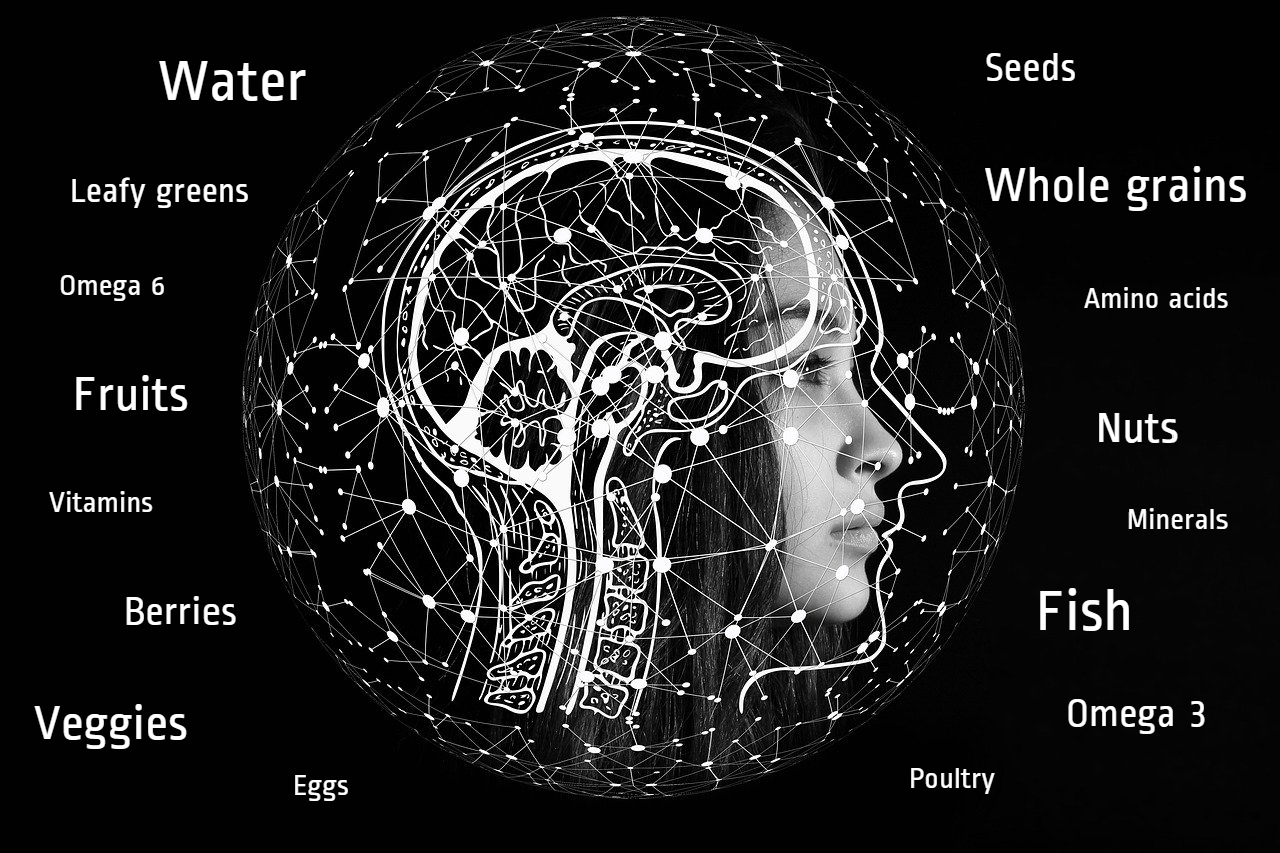
We can decide to eat a certain diet for various reasons but when we decide it is important to consider the feeding of our brain. Why? you ask. Nutrition can affect our mood, energy, performance, concentration and even memory. To explain it in more detailed I need to write about the basic structure of the brain as some foods can have a long-lasting influence on our general mood and wellbeing through directly impacting the structure of our brain.

Biological structure of the brain

First of all, most surprisingly 80% of our brain is made out of water and if we donโ€™t count water 60% of the rest is fat as the Neurons (nerve cells) predominantly composed of fat or โ€œlipidโ€. These fats are highly unsaturated fats which make the neurons highly flexible and allow them to work rapidly. Other essential parts of our brain are the neurotransmitters that carry the information from one neuron to another. They are essential for all communication in the brain and they can determine our mood, feelings and even thoughts. Our body can not produce some essential unsaturated fats and amino acid that our brain needs so the only way to get it is through eating them in our diet.

Key nutrients for the brain

So, some nutrients are essential to include in our diet for our brain to function on its highest potential as a big portion of our brainโ€™s structure is derived directly from food. I mentioned water, fatty acids and amino acids (which are driven from protein) previously, but complex carbohydrates and some vitamins and minerals also play an important role in feeding our brain.

Complex Carbohydrates

Our brain uses more glucose than any other organ in our body, as glucose serves as the fuel. Although, it is important to get the glucose from complex carbohydrates (like whole grains, vegetables and beans) as they are more time-consuming to digest they are releasing the glucose slowly into the bloodstream and provide a more stable and consistent supply of glucose for our brain to function on.

Essential Fatty Acids (EFAs)

Photo by Frans Van Heerden on Pexels.com

As I mentioned before the neurons in our brain are predominantly made of fat. Although our body can not produce essential fatty acids (EFAs), so we must include them in our diet. Omega-3 and Omega-6 are groups of essential fatty acids that we hear a lot about, as they are the most important fats to include in our diet to feed our brain. One of the richest sources of Omega 3 fatty acids are oily fish, there are also vegan sources like chia seeds, brussels sprouts, walnuts and flax seeds (1), although vegans should pay extra attention to their omega 3 intake. A study has reported that eating more fish positively affected the moods and self-reported mental health of the participants (2), this shows how much omega-3 can affect our everyday life. Omega-6 fats are found in a range of seeds, vegetables and vegetable oils.

Amino Acids

Amino acids are important as the neurotransmitters in our brain are made of certain amino acids and some of those (called essential amino acids) need to be derived from food protein as our body can not produce them in itself. Certain amino acids are directly converted into neurotransmitters, which means if we donโ€™t consume them from protein then our brain will lack those neurotransmitters, meaning problematic communication between neurons. A deficiency in certain amino acids may leave someone feeling depressed, apathetic, unmotivated or unable to relax (3). Some important neurotransmitters for mood and thoughts are acetylcholine, serotonin, dopamine, adrenalin, noradrenaline and GABA.

Acetylcholine
is involved in the control of thought, mood, sleep, and muscle function (4).  The best sources of the needed amino acids are organic/free-range eggs and fish (especially mackerel, sardines, salmon, and fresh tuna).

Serotonin
is concerned in controlling mood and levels of consciousness (5). Best sources of the amino acids are fruits, avocado, wheatgerm (included in whole grain bread), eggs, fish, lean organic poultry.

Dopamine 
is involved in motor control, cognition, and reward (6). Foods to eat to support dopamine production are fruits and vegetables high in vitamin C, wheat germ and yeast spread.

GABAreduces the activity of neurons and that effects our body and mind on very beneficial ways, like increased relaxation, reduced stress, a more calm, balanced mood, alleviation of pain, and a boost to sleep (7). Foods that improve GABA production are dark green vegetables, seeds and nuts, potatoes, bananas and eggs.

Vitamins and Minerals

The role of vitamins in brain function is a bit more indirect than the role of the previous nutrients but just as essential as they are supporting their incorporation process. They convert carbohydrates into glucose, assist essential fatty acids to get incorporated and help amino acids to get converted into neurotransmitters.

Key vitamins and where to find them:

Whole grains

Vitamin B1, B3, B5, B6, Selenium

Selection of Veg and Fruit

Vitamin C, Folic acid, Magnesium

Nuts and Seeds

Magnesium, Selenium, Zinc

Fish

Vitamin B12, Selenium

Vitamin B12 is the only micronutrient that is difficult to get from vegan sources, it is only found in fortified foods, so people following a vegan diet should pay special attention to adequate B12 intake.

Antioxidants

Furthermore, a special group is formed by the antioxidant vitamins which serve a different role in our brain. Normal cell function produces a small number of harmful chemicals called oxidants, but saturated fats and trans fats can raise their emission to a level that the body can not handle alone just with the help of antioxidant. Oxidants are molecules that are missing a critical atom that they try to steal from other molecules and by this damaging the brain tissue built from fats, proteins and vitamins. This process can be avoided by the low consumption of saturated and trans fats and with the incorporation of vegetables high in antioxidants:


Prune, raisins, blueberries, kale, strawberries, raspberries, spinach and broccoli


Water

Last but not least, we shouldnโ€™t forget about water, as mild dehydration can affect feelings of wellbeing, performance and learning. Symptoms of inadequate hydration include increased irritability, loss of concentration and reduced efficiency in mental tasks.  So remember to drink 2 litres of water a day and keep hydrated.

In conclusion the most important things to include in our diet for our brain are oily fish, whole grains, a selection of veg and fruit and dark leafy greens. A divers diet is also very improtant and the rule applies that what is healthy for your body that is good for your brain. Furthermore it is important to avoid saturated and trans fats like butter, lard and margarine.

This article is based on the study of Mental Health Foundation, more information can be found in their study Feeding minds: the impact of food on mental health.


Resources:

  1. https://www.healthline.com/nutrition/7-plant-sources-of-omega-3s#section5
  2. Silvers KM, Scott KM: Fish consumption and self-reported physical and mental health status. Public Health Nutr 2002; 5(3):427-31
  3. Holford P: The Alzheimerโ€™s Prevention Plan: 10 proven ways to stop memory decline and reduce the risk of Alzheimerโ€™s. London: Piatkus. 2005
  4. https://medical-dictionary.thefreedictionary.com/acetylcholine
  5. https://medical-dictionary.thefreedictionary.com/serotonin
  6. https://encyclopedia.thefreedictionary.com/dopamin
  7. https://www.psychologytoday.com/us/blog/sleep-newzzz/201901/3-amazing-benefits-gaba

Share with others:

why does it worth to eat better for your brain

Read more

Design a site like this with WordPress.com
Get started