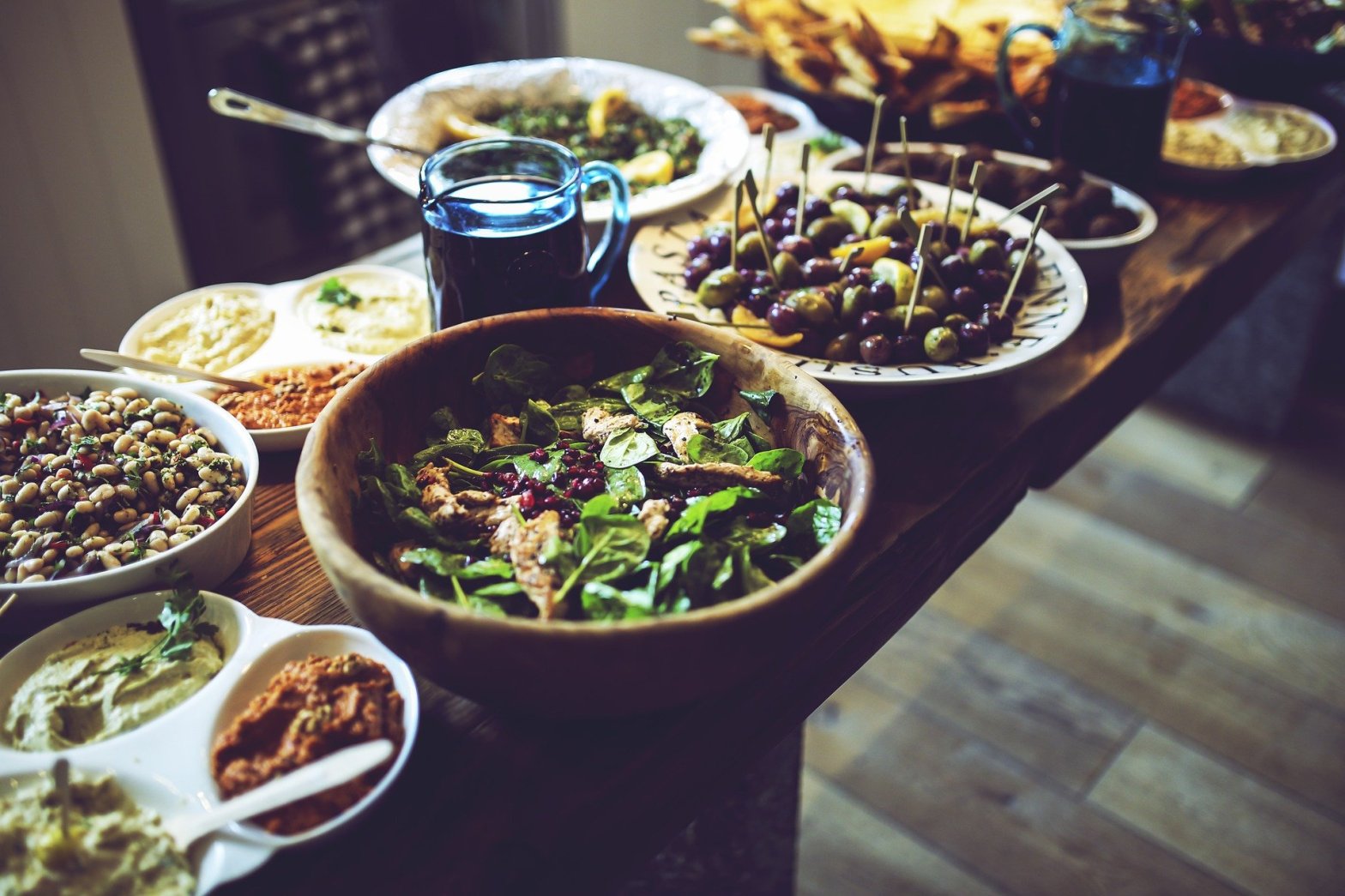
Our diet can have a diverse effect on our body, our mind and even the climate. Although it is hard to wrap our head around these things and see the whole picture when we get the information in bits and pieces. What to eat that both contains all essential nutrients and has a low carbon footprint so just as good for our overall health as the climate. Although our diet is a good tool for making a change so it is worth to take the time to shape it.
Since we have the potential to handle the biggest health and environmental crisis of our time by only shaping our way of eating, all of us has the power in their hand to make a change.
Vegetables and Fruits

From a health perspective it is essential to have all nutrients in our diet that our body needs, we can achieve it by having a diverse diet with a selection of vegetables. Eating a lot of vegetables rich in micronutrients can increase our overall everyday energy level and mental wellbeing. Outside of this, eating vegetables have preventive properties against diseases like type 2 diabetes, hypertension and Coronary heart disease and some type of cancers (the oral cavity, oesophagus, stomach and colorectum) (3, 4, 5). Including vegetables in our everyday diet can also be protective against gaining unwanted weight and keeping us in a good shape (2), as it fills up our stomach more than processed food and gives the perfect selection of vitamins.
Moderate Meat and dairy

Another important aspect of good health is moderate meat and dairy consumption as essentila nutrients are needed from animal sources but a high consumption of animal fats and red meat can have bad health consequences. It is also a dietary change that can be very helpful in weight management if regularly applied as these are calorie-dense foods (2). High intake of saturated fats can also be a risk factor for type 2 diabetes, hypertension and coronary heart disease and colorectal cancer (3,4,5). Even when meat consumption gets lowered it is almost impossible not to have enough protein, as currently we are over consuming meat and the meat that gets taken out of the diet can be replaced by vegetable sources of protein like pulses and beans. If the main body of our everyday diet is made out of vegetables and enriched with meat 3 times a week, we have a good balance for our health.
Seafood and grains
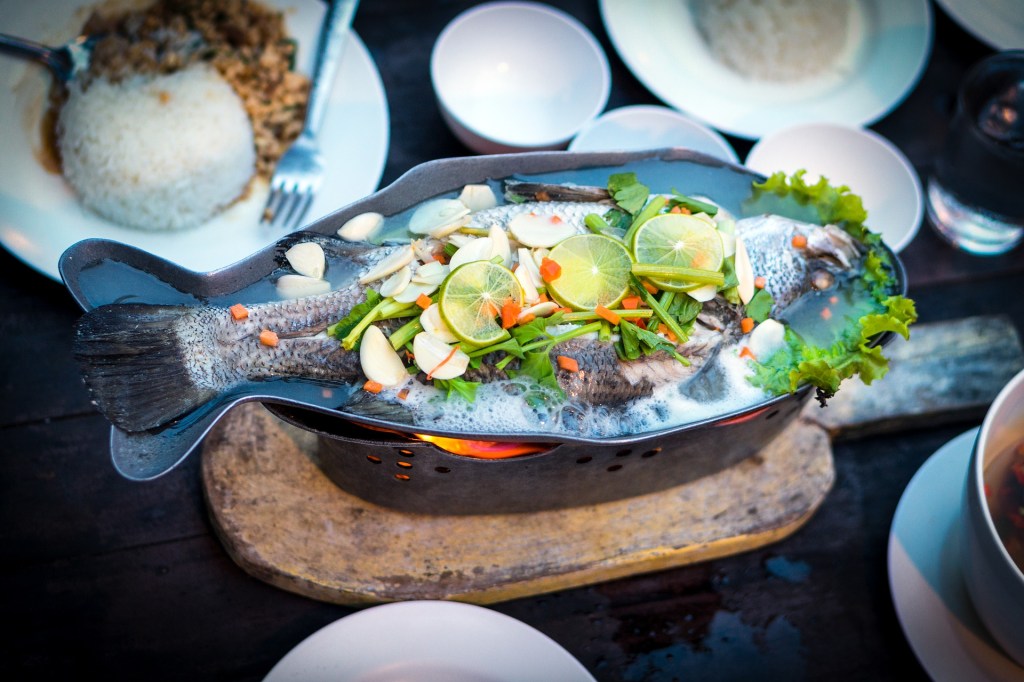
Although it is not only about vegetables and meat, it is also important to keep an eye on our fish consumption. Fish is also a good source of protein and the best source of omega 3 fatty acids that is essential for good brain function and can be protective against type 2 diabetes (3). We also shouldn’t forget about whole grains as they are also a good source of fibre, carbohydrates and some vitamins. Replacing some pastry products with their whole-grain alternative and eating cereals for breakfast is a good way of introducing more whole grains in our diet.
The environmental footprint of products
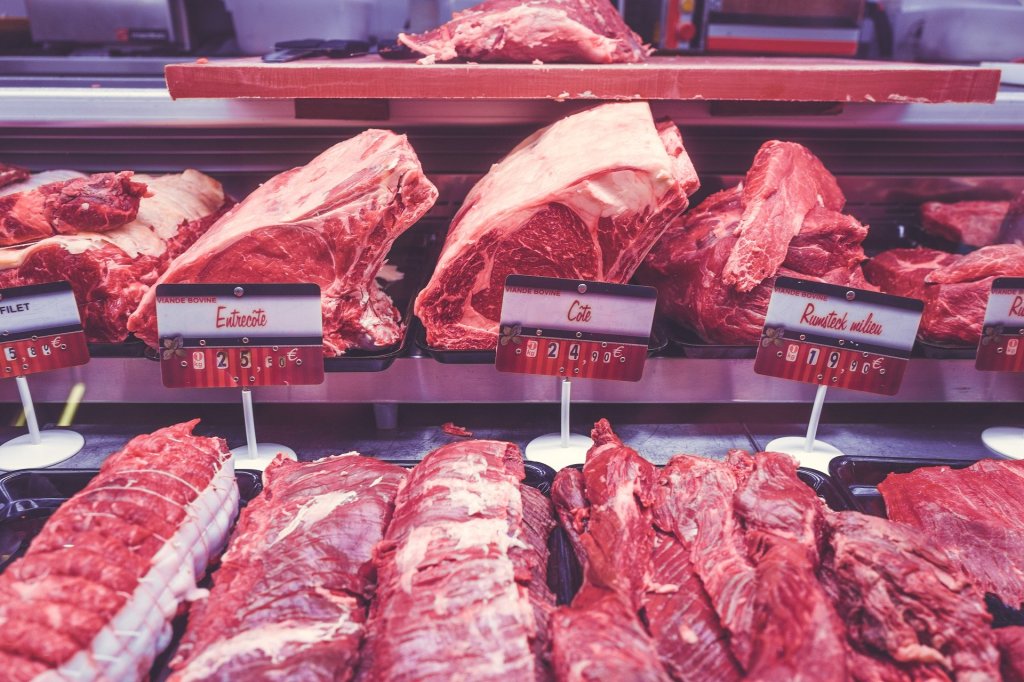
Now let’s take a look at the environmental footprint of the different food products and diets, as the production of different foods has different greenhouse gas emission. Based on a study made in Europe (7), on a per kg product basis, beef has by far the highest GHG emission with 22.6 kg CO2-eq/kg, milk had an emission of 1.3 kg CO2-eq/kg, pork 3.5 kg CO2-eq/kg, poultry 1.6 kg CO2-eq/kg, and eggs 1.7 kg CO2-eq/kg. This shows that red meat is the product that has the greatest impact on our environment so it should be eliminated from our diet.
European diets
Although when we are talking about the harm of meat consumption in Europe, people tend to point towards Americans claiming that they are the ones that are responsible for the over consumption of meat. A study shows that in many European countries the meat consumption is very high and the ratio of vegetable and animal energy is very low resulting in a high intake of animal products and fats and low vegetable consumption (8). On the other hand, it is also true that the vegetable intake is much higher in eastern European and Mediterranean regions. The same paper also highlights the importance of lowering red meat and dairy consumption as drivers of the environmental impact of food production.
Dear Europeans it is time to take responsibility for our own actions!
Ideal diets
We hear it all the time that the vegan diet has the lowest environmental impact as all animal products (the big pollutants) are excluded entirely. Although, not all of us is ready to give up meat consumption entirely and it also has health disadvantages as we can not get all necessary nutrients from vegetables (eg.: b12 and omega 3). If you feel like this don’t worry, there are other solutions that you can choose to participate in saving the world.
A study compared different diets and their impacts on the environment and showed how big effect even lowering our meat consumption can have on the environment (6). They measured the emission of diets by kilograms of carbon dioxide equivalent per day and high meat diet had 7.19 kgCO2e/day, while low meat diet only had 4.67, fish-eaters had an emission of 3.91, vegetarians 3.81 and vegans 2.89.
It shows how big difference it makes even to choose a low meat-eater diet as it almost cuts our emission in half.
Furthermore, fish-eaters and vegetarians have nearly the same emission. These three diets can be good choices to have all the necessary nutrients in our diet and still lower our environmental impact
Mediterranean Diet
A Mediterranean diet is a good choice to both promote our wellbeing and the wellbeing of the environment. The surprising thing that everything good for our health is also good for the planet because nature is just designed it so well. It might sound too good to be true, but it is not, and it doesn’t even hard work to reach this goal since we just need to buy the right food.
To reach this diet we need to lower our meat consumption to a low meat diet, which means eating meat 3-4 times a week and eating fish at least once a week. The rest of our diet comes from vegetables, grains, pulses, beans, fruits, and nuts. If you want tips how to include more vegetables in your diet click here. This diet has all the nutrients our body needs and also reduces the risk of heart disease (4). In this diet, all the guidelines are included that are mentioned in the first paragraph and has a much lower environmental impact than the current diet of most European countries.
The Mediterranean diet still counts as a plant-based diet, as it focuses on foods primarily from plant sources but also includes seafood, dairy, and meat in much smaller quantities. This shows that although, the major source of nutrients is coming from plant sources eating plant-based does not mean that you are excluding all meat and dairy products (1). Plant-based is a generic term that both include the Mediterranean/flexitarian diet and vegetarian and vegan diets.
The Best Diet for your Health and the Environment
Tweet


2 thoughts on “The Best Diet for your Health and the Environment”
Comments are closed.