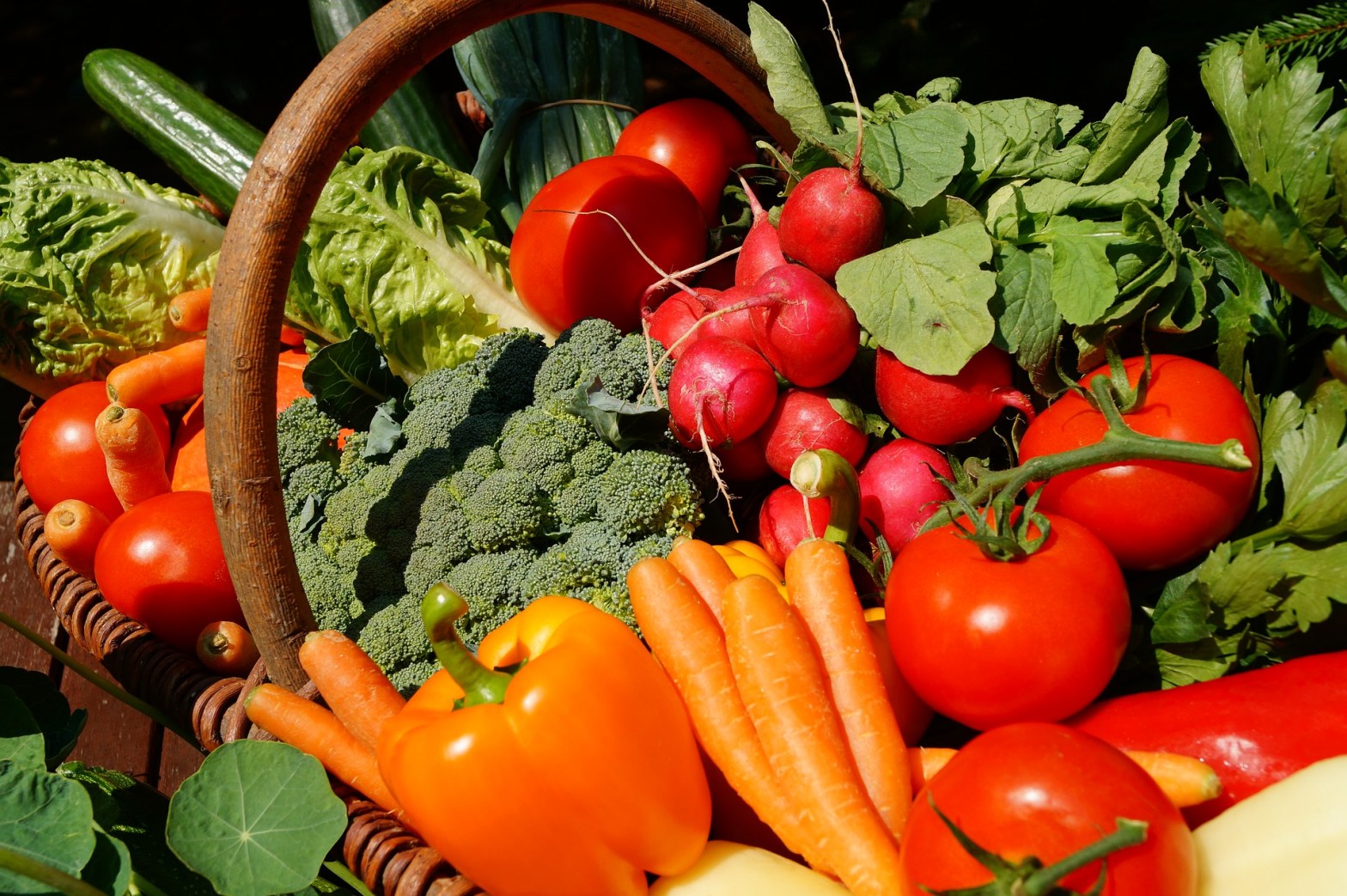
It is controversial if eating only seasonal and locally produced food is better for the environment or our health as it is a complex topic and a lot depends on the region (1). It can be difficult to get the good amount of vegetables during winter and needs a lot of preparation in the summer to conserve food. On the other hand, it still has some benefits to include locally sourced food in our diet:
A very It is good economically for the homeland
It can make our diet a bit more diverse
(as we always eat different seasonal vegetables)
Summer is a good season to focus on eating more seasonal produce, as it is rich in veggies and fruits. Even when eating seasonally it is important to focus on eating all the colours of the rainbow so we can get all the nutrients our body needs (as the colour is defined by the vitamin).
Purple
Aubergine, Beetroot, Radishes, Turnips
They are rich in antioxidants which soak up reactive molecules in our body before they have a chance to harm sensitive tissue like blood vessels.
Red
Chilies, Tomatoes, Carrot
The vitamin A and C in them promotes immune defense and vitamin C helps in collagen production keeping our skin young and spotless.
Green
Artichoke, Broccoli, Courgettes, Fennel, Kohlrabi
Green vegetables are rich in Magnesium, which makes us healthier by promoting protein synthesis, muscle and nerve function, blood glucose control, and blood pressure regulation. Broccoli is also a good source of Calcium, that plays a role maintaining blood pressure and normal muscle and nerve function.
Leafy Greens
Salad leaves, pakchoi, rocket, Spinach, Watercress
The Magnesium in them promotes protein synthesis, muscle and nerve function, blood glucose control, and blood pressure regulation. Spinach is a good source of Iron that Carries oxygen and makes some important proteins (haemoglobin, myoglobin) and hormones.
Legumes
Broad beans, French beans, Peas, Runner beans, Mangetout
Beans contain B vitamin that has a role in energy metabolism, carbohydrate / protein metabolism and preventing neural tube defect (birth defect), Iron and Zinc (supporting skin barrier function). Furthermore, it is also a good source of non-animal based protein, perfect if you want to reduce your meat intake.
Fruits
Bilberries, Blueberries, Cherries, Goosberries, Greengages, Strawberries
Imported: Apricots, Kiwi fruit, Melons, Peaches
The upper mentioned fruits and vegetables are based on the list by Eat the Season and applicable to the UK and for regions with the same climate.
Prepare to enjoy the lovely gifts of July!
Veggie ingredient from the season:
What else would be the star of July then tomato? It is juicy it is sweet and just feels so good to take a bite of it in the sunshine, also an essential part of the Mediterranean diet. This Bruschetta is perfect to make for breakfast, as an appetizer or just as a simple afternoon summer snack.
Resources:
All goodies you can eat in June!
Tweet
#july #veggie #plantbased
 Foodaware