The development of healthy eating habits can be very useful if you want to have a stronger immune defence, as it seems like there is a connection between nutrition and immunity, especially in the elderly population. Micronutrients are required in our body in certain amounts so our immune system can function adequately.
Furthermore, some other antioxidant vitamins (preventing cell damage) might have a role in immunity like vitamin K and B6. Still, there is less evidence of their effects. Some micronutrient deficiencies like zinc, selenium, iron, copper and folic acid also alter immune reasons (although it was proven by animal testing). These nutrients strengthen our immune system by supporting our skin, supporting immune cells and antibody production.
Vitamin A and D
Vitamins A and D can influence the immune response in a highly specific way, as they have hormone-like properties. These two hormones are directly acting on different immune cells and enhance T-cell function (influences antibody class-switching) and B-cell proliferation (gives rise to different antibody isotypes). These cells have an essential role in protection by managing antibodies and destroying invading viruses. They even have the potential to be used in clinical settings for therapeutic benefits.
Foods rich in vitamin A
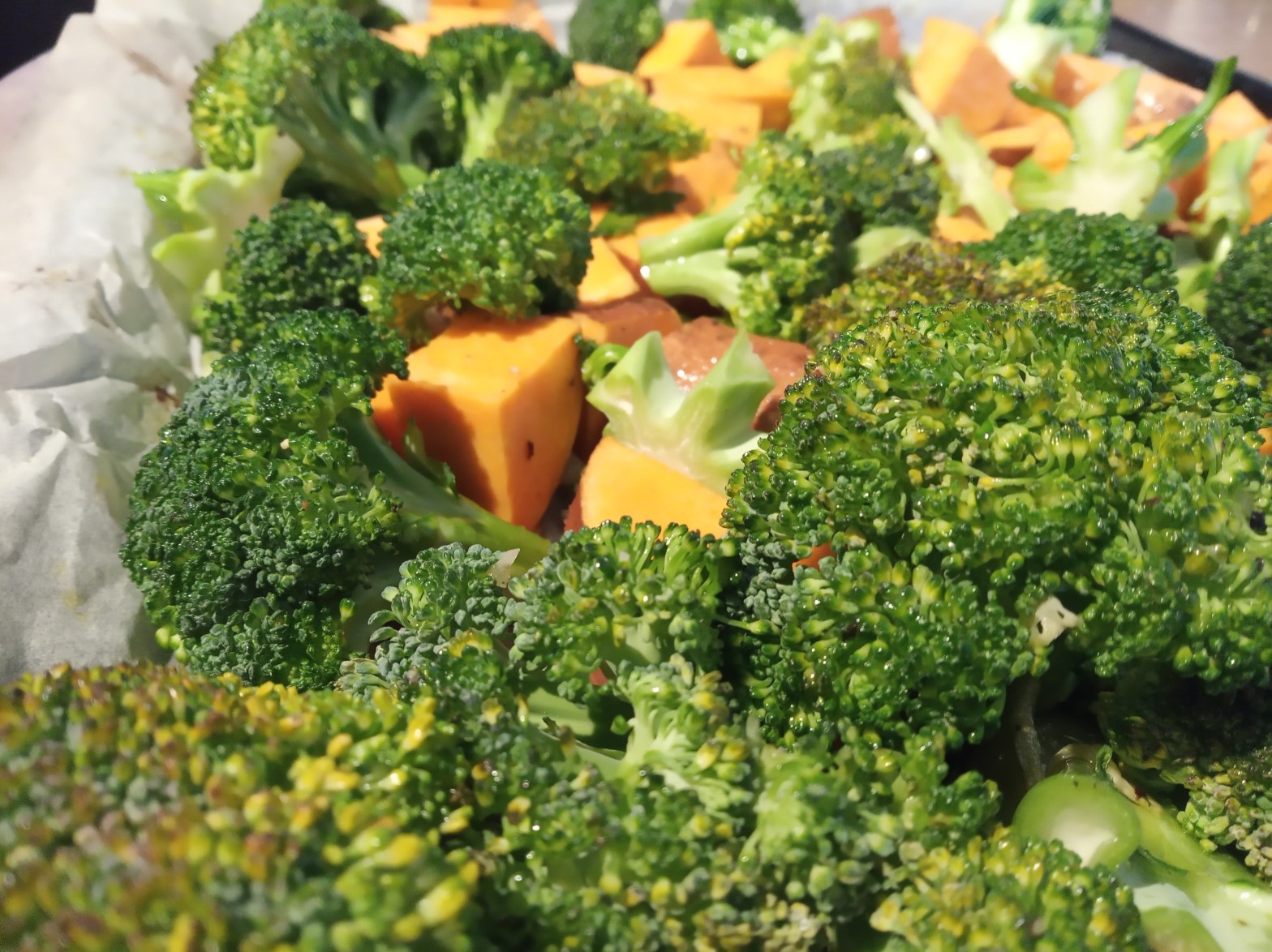
The colour orange (carrot, peach, pineapple, pumpkin, banana, beets, apricots, mangoes, squash) and red (apple, berries, tomato, pepper) indicate that the vegetable high in carotenoids but it can be also consumed from green leafy vegetables (broccoli, kale, turnip, collard greens, spinach, sweet potato).

Foods rich in Vitamin D
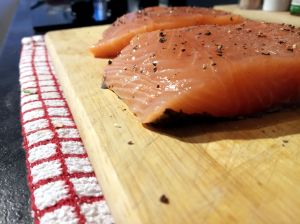
The main source of vitamin D is sunshine so go out and enjoy the sun whenever you have a chance. But, some foods like fatty fish, fish liver oil, milk products and fortified cereals do have some vitamin D in them, and it might be good to get it included in your diet.
Other vitamins:
Vitamin-E is an antioxidant and helps to prevent inflammation and tissue damage in the body, furthermore, enhances skin barrier function. Other micronutrients supporting skin barrier function are vitamin A, C and zinc.
Vitamins A, B6, B12, C, D, E and folic acid and iron, zinc, copper and selenium support the protective activity of our immune system in synergy.
Furthermore, many of the before mentioned are supporting antibody production. If you want to see more details about which food contains these vitamins, you can find it here.
All these findings show how important it is to have all the nutrients our body needs. So, let put all these smart things into practice and let’s take a look at what to eat to have a strong immune system ready to fight off viruses. We have the option to buy some supplements, but these nutrients work best in synergy with others and our body might not absorb supplements as well as it does vitamins from food sources, so best way to get ready is by eating diverse.
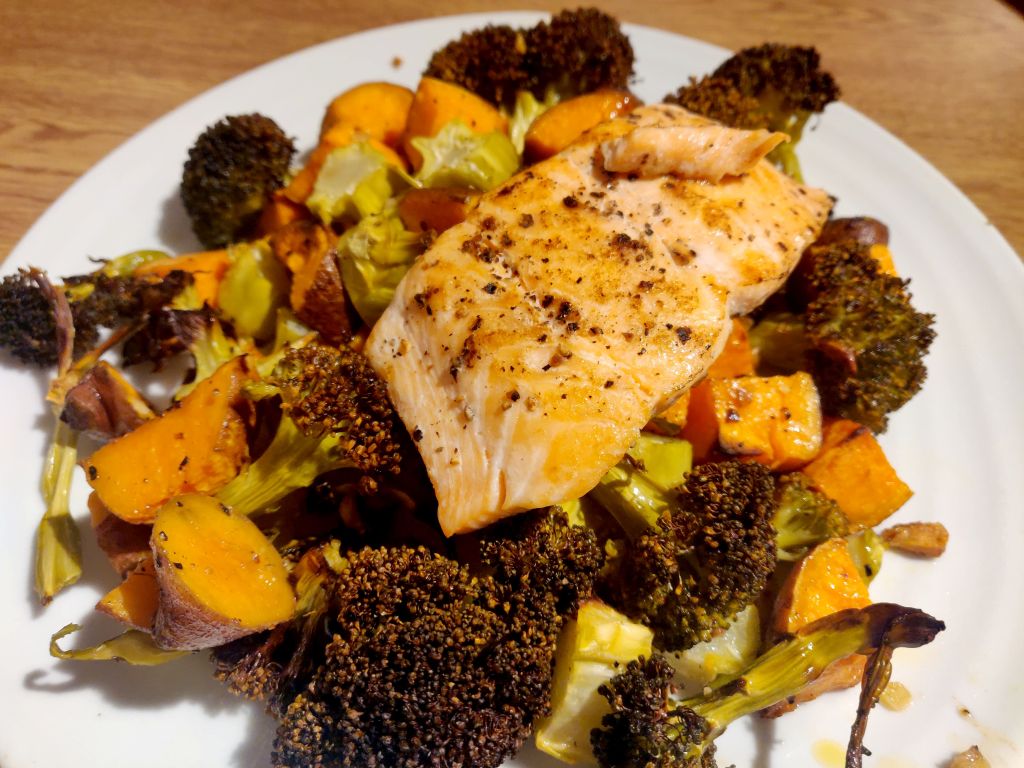
Salmon on broccoli and sweet potato bed
This is my recommendation for a nice immune-boosting meal. It is easy to do, doesn’t take much time but has every vitamin your immune system needs.
Portion: for 2 people
Preparation time: 40 mins
Preparation
Veggies:
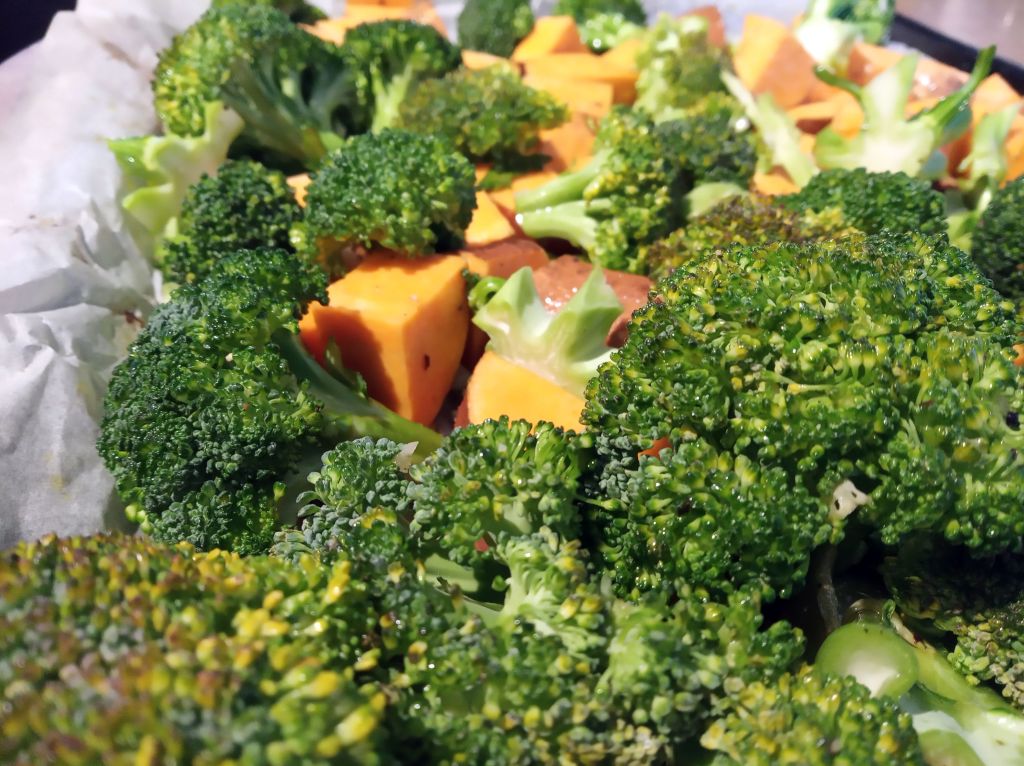
- Preheat to 200 °C (395 Fahrenheit)
- Wash your vegetables thoroughly and leave the skin on the sweet potato
- You can use frozen broccoli too, it doesn’t affect the quality
- Separate the heads of your broccoli and cut the stems and the sweet potato into 2 cm (half an inch) chunks (bite-size)
- Cut 4 cloves of garlic finely and mix it with the rest of the vegetables
- Put them on a tray and season with salt and pepper, sprinkle with olive oil and mix it until everything gets coated
- Roast for 30 minutes
Salmon:
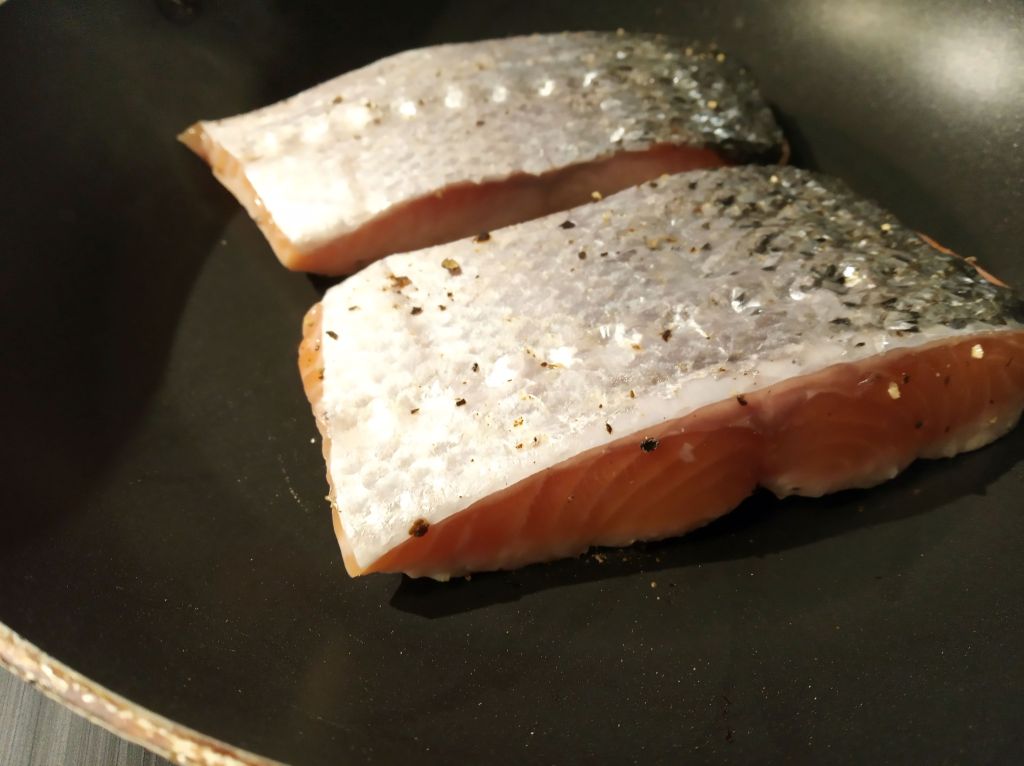
- Take 200 grams of salmon and season it with salt and black pepper
- put the stove on full heat
- start to fry in a cool pen without oil skin side facing upwards
- wait until it releases its own fat and turn it around
- take the temperature down a little bit
- when the salmon has cooked through (the flesh turned white after approximately 5 minutes) it is done
Final step:
Serve this delicious food and enjoy, as a final touch you can sprinkle some lemon juice on the salmon.
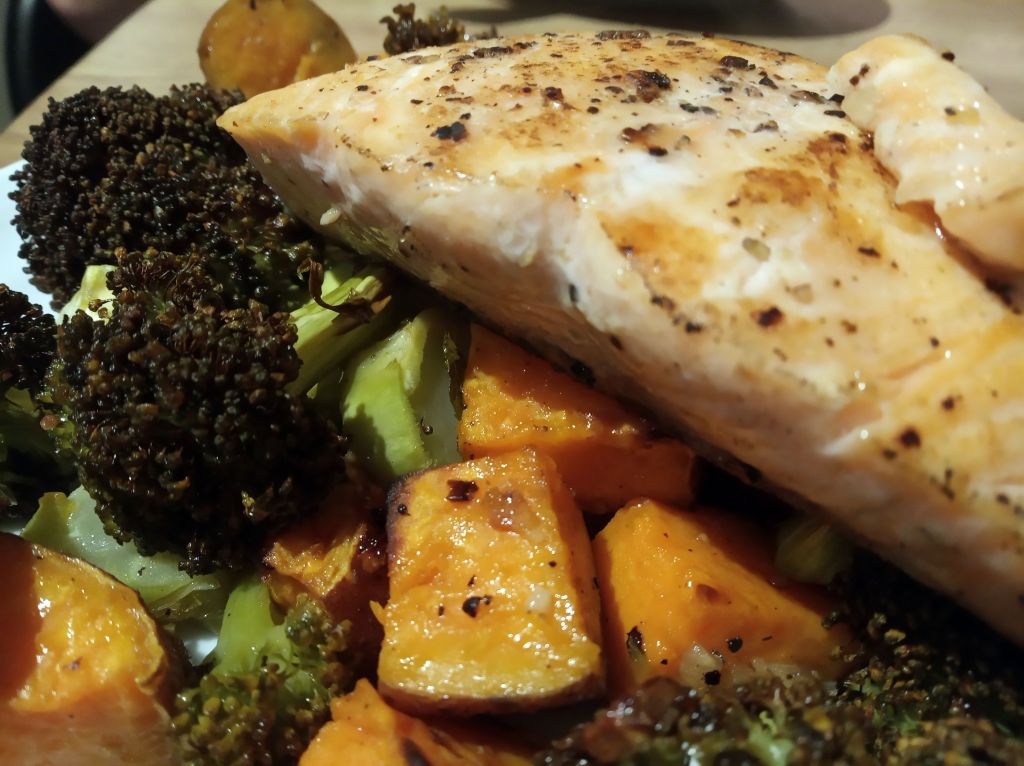
As you can see it is not a very complicated recipe, it doesn’t have to be time-consuming and complicated to get healthier. Salmon, as a fatty fish, has vitamin D which is essential for our immunity, furthermore, it is high in zinc, vitamin B and omega-3 which is a great brain food. Broccoli has vitamin C, E and A at the same time and sweet potato is also rich in vitamin C and A. Moreover, if we roast our veggies with olive oil, we also have our vitamin E intake and the mixture of immune-supporting nutrients is done.
On the other hand, don’t forget that only one good meal won’t do magic and you need to stick to a diverse diet with good nutrients for the benefits. You can read more about micronutrients here, and about which food contains which nutrient.
References
- https://www.health.harvard.edu/staying-healthy/how-to-boost-your-immune-system
- https://www.ncbi.nlm.nih.gov/pmc/articles/PMC2906676/
- https://www.ncbi.nlm.nih.gov/books/NBK21070/
- https://www.cambridge.org/core/journals/british-journal-of-nutrition/article/selected-vitamins-and-trace-elements-support-immune-function-by-strengthening-epithelial-barriers-and-cellular-and-humoral-immune-responses/94B772EB747D1E5CD9FAC8F90937AA9F
 Foodaware
7 thoughts on “How to improve your immune system?”