3 billion people have micro nutrient deficiency on the earth, although people in western society have every chance to get the vitamins they need from their diet. this is a problem as vitamins and minerals support our body in growth and functioning. They have a role in immunity, energy production, blood clotting, growth and development, bone health and disease prevention.
Vitamins
The key vitamins our body needs are A, C, D, K, E and B vitamins (thiamine, riboflavin, niacin, pantothenic acid, biotin, B6, B12, and folate). We can get enough of all these vitamins from food. The most basic tip for having enough vitamins in our diet is to eat diverse, picking an assortment from different food groups will balance your vitamin intake out.
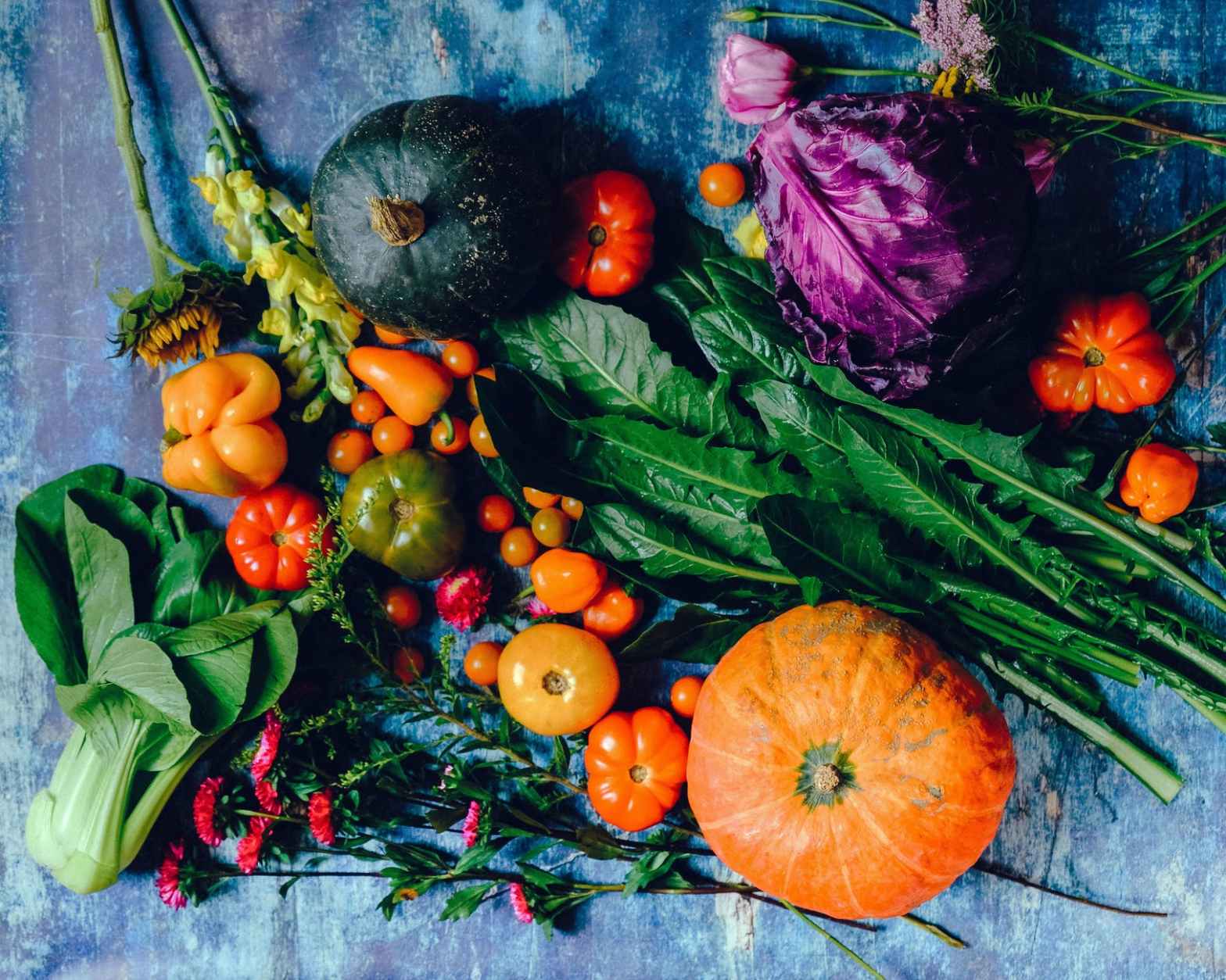
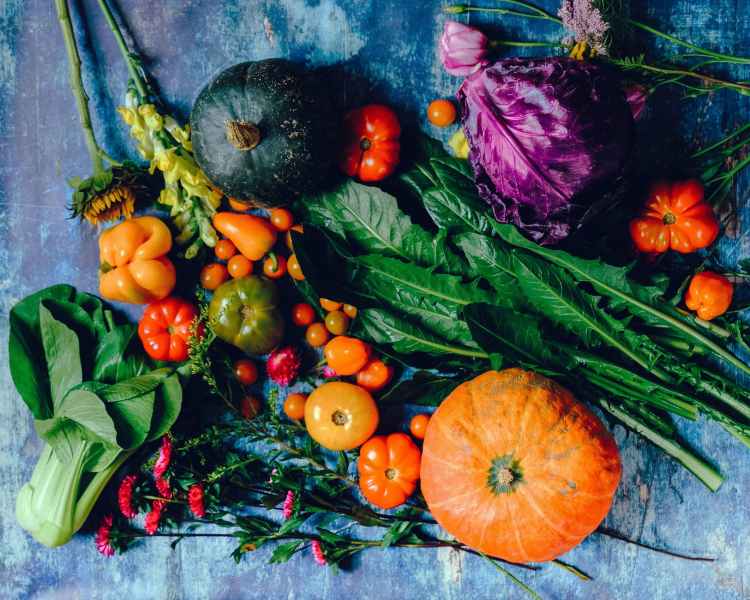
A very good example of how well made our world is that the colour of the fruit indicates what kind of vitamin it contains.
It means when we go to do our shopping just should follow our eyes and make sure to have a colourful basket, as we would like to eat all the colours of the rainbow. Although, here the question might arise in your mind: What are certain vitamins play a role in exactly? Now I will write about the most important vitamins we need, as there are too many vitamins to write about in only one article.
Vitamin A

Plays a role in vision, bone growth, reproduction and immunity. There are two different types of vitamin A, one which come from vegetables called carotenoids and one which is pre-formed and obtained from animal products, although this one can reach toxic levels. Vitamin-A is one of the most common deficiencies so it is good to know how we can smuggle some more of it into our diet. The colour orange (carrot, peach, pineapple, pumpkin, banana) and red (apple, berries, tomato, pepper) indicate that the vegetable high in carotenoids but it can be also consumed from green leafy vegetables.
Vitamin C

It is quite well known that it has a role in immune function, but it is also important in collagen production and helps us to keep our skin young and soft. You can get more vitamins into your diet with citrus fruits, pepper, tomatoes and berries.
Vitamin E
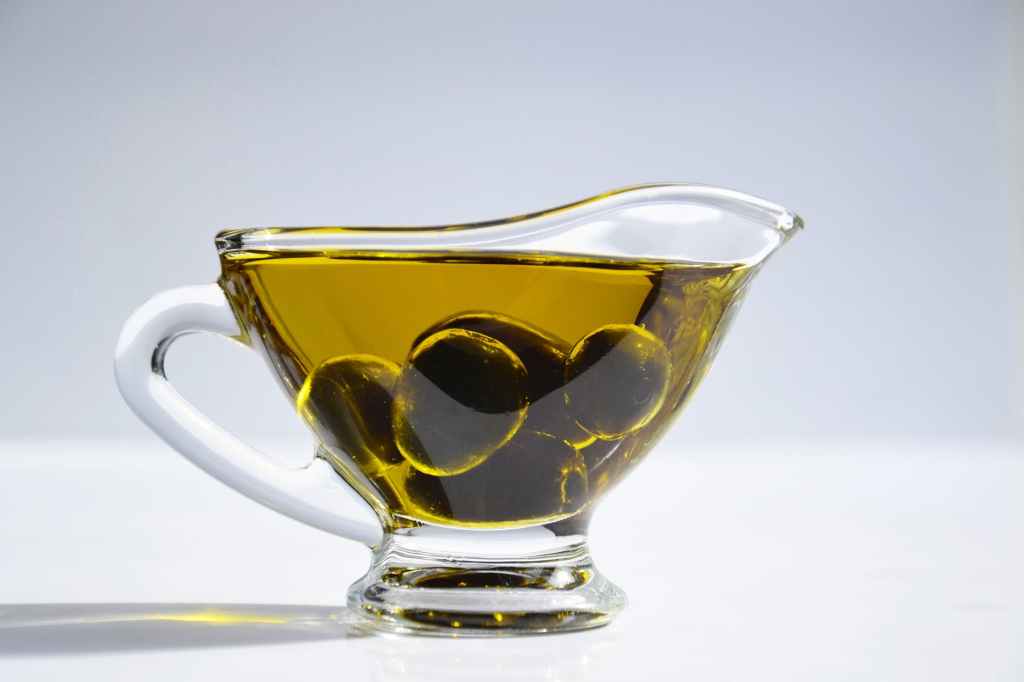
Is involved in immune function and cell signalling, regulation of gene expression, and other metabolic processes. Nuts, wheat germ, seeds (sesame), and vegetable oils (peanut, olive and canola) are among the best sources, furthermore, green leafy vegetables and fortified cereals contain it too.
B-vitamins

Have a role in Energy metabolism, carbohydrate/protein metabolism and preventing neural tube defect (birth defect). It has great importance for women planning children. Although it has a great role in energy metabolism if someone is not deficient it doesn’t raise the energy level in excess quantities. There are many sources of B-vitamins like meat, fish, poultry, milk, beans and whole grains.
Whole grains can serve as a source of many different B vitamins which are stored in the germ and bran, so this is another good reason to exchange the white brad on our shelf.
Vitamin D

Unfortunately, this vitamin is not commonly found in food, but the main source is sunshine, and this is a vitamin our body can’t produce itself, although it has some important effects. It promotes bone health, absorption of calcium, reduces inflammation and enhances immunity. Some food sources to get some vitamin D in the winter months are fatty fish, fish liver oil, milk products and fortified cereals.
Minerals
That was all we need to know about vitamins let’s look at some important minerals we should include in our diet now. Although, it is much less common to have a mineral deficiency. They also help our body to function well but only some of them are needed in larger quantities:
Calcium

We hear a lot about it as a mineral which strengthens our bones, although, it maintains blood pressure and normal muscle and nerve function and stored in our bones. Good sources of Calcium are milk products and bones, but some vegetable sources are Chinese cabbage, kale and broccoli.
Magnesium

It has an essential role in the prevention of certain conditions as it promotes protein synthesis, muscle and nerve function, blood glucose control, and blood pressure regulation. It can be found in green leafy vegetables, such as spinach, furthermore in legumes, nuts, seeds, and whole grains.
Potassium
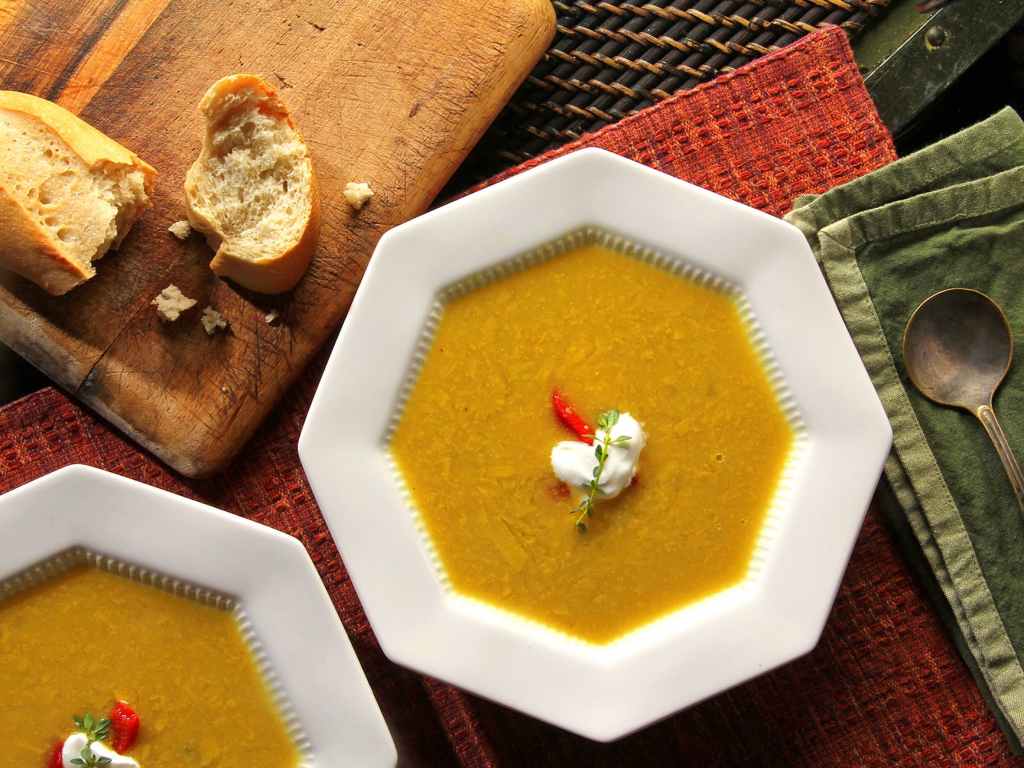
It is required for normal cell function, that is why it is found all over in our body and essential to have a well-functioning body. To maintain potassium in our body we should eat dried apricots, lentils, potatoes, Meats, poultry, fish, milk, yoghurt, and nuts. Adults get a lot of their potassium from coffee and tea.
Iron

Carries oxygen and makes some important proteins (haemoglobin, myoglobin) and hormones. You can get enough iron by eating lean meat, seafood and poultry, beans, lentils, nuts and spinach. Vegans and vegetarians should pay extra attention to their iron intake as the plant-based iron (non-heme) is not absorbed by our body so efficiently. It might help to eat more vitamin c rich foods too, as it helps with the absorption of iron.
Iodine

Plays a role in brain and cognitive development, especially in fetus so pregnant women should pay special attention. In advance to get enough iodine you should include seafood, diary-products and grains in your diet.
Zinc

Plays a role in immune function and wound healing and is present in every cell as it is involved in DNA synthesis. Furthermore, it is involved in having a proper sense of smell and taste. It is found in Atlantis oysters in the largest amount, furthermore, in red meat, beans, nuts, whole grains and diary. It is good to consume zinc daily as our body doesn’t have a specialised storing system.
Why should we get our micronutrients from food?
These were all the important vitamins and minerals and what we should know about them.
Here it is important to mention that supplements can’t replace food sources of these micronutrients as it is important to have them in the food matrix as different nutrients promote the absorption of each other.
It is not proven that having dietary supplements in the diet have extra health benefits if someone doesn’t suffer from a deficiency, so it might be a waste of money. The best thing we can do to have all the nutrients we need is to have a diverse diet with a different meal on the table every day. Also remember to include more vegetables in the diet (in every colour) and to eat seafood twice a week.
References
- https://www.nia.nih.gov/health/vitamins-and-minerals
- https://www.webmd.com/food-recipes/antioxidants-your-immune-system-super-foods-optimal-health
- https://ods.od.nih.gov/factsheets/VitaminE-HealthProfessional/
- https://ods.od.nih.gov/factsheets/Calcium-HealthProfessional/
- https://ods.od.nih.gov/factsheets/Magnesium-HealthProfessional/
- https://ods.od.nih.gov/factsheets/Potassium-HealthProfessional/
- https://ods.od.nih.gov/factsheets/Iron-Consumer/
- https://ods.od.nih.gov/factsheets/Zinc-HealthProfessional/
- https://ods.od.nih.gov/factsheets/Iodine-Consumer/#
 Foodaware
10 thoughts on “Rainbow diet to eat enough vitamins”
Comments are closed.