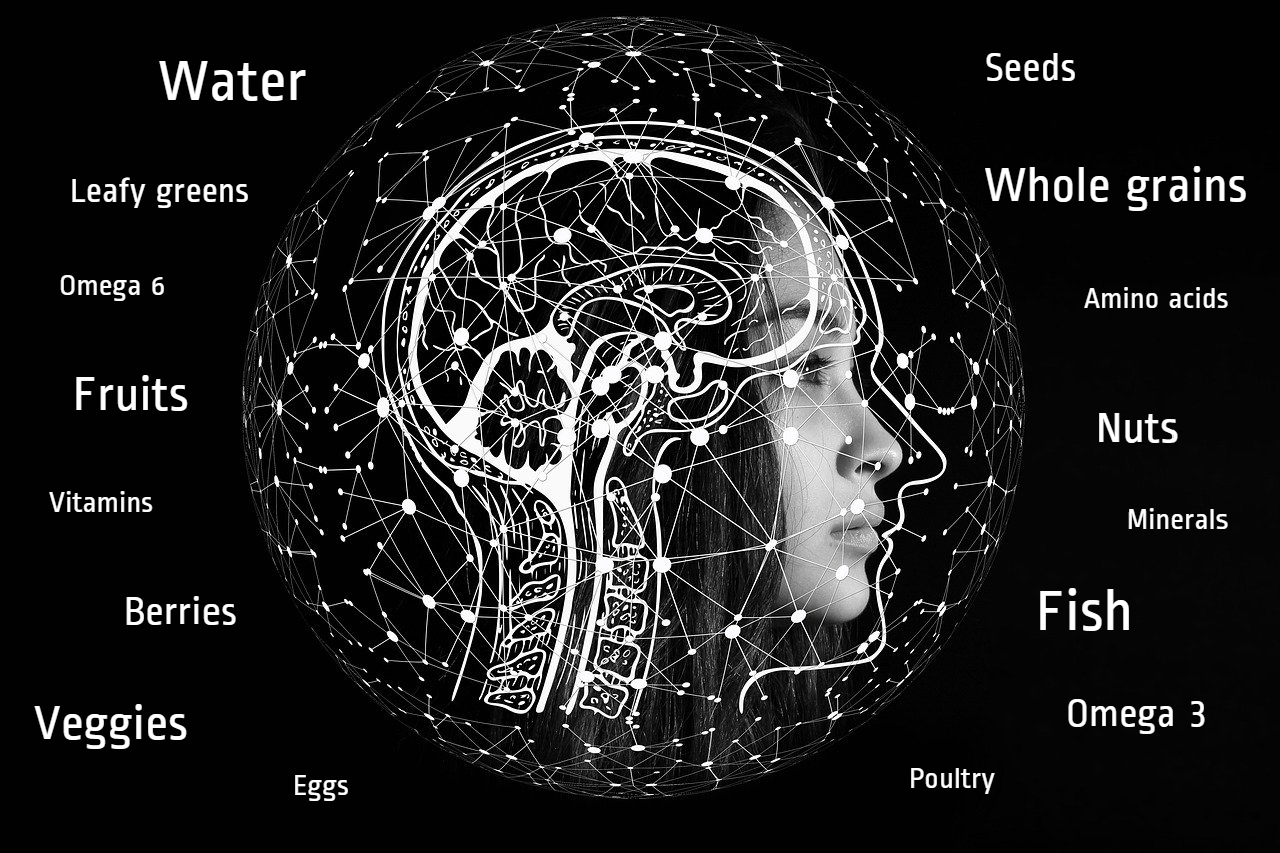
We can decide to eat a certain diet for various reasons but when we decide it is important to consider the feeding of our brain. Why? you ask. Nutrition can affect our mood, energy, performance, concentration and even memory. To explain it in more detailed I need to write about the basic structure of the brain as some foods can have a long-lasting influence on our general mood and wellbeing through directly impacting the structure of our brain.
Biological structure of the brain
First of all, most surprisingly 80% of our brain is made out of water and if we don’t count water 60% of the rest is fat as the Neurons (nerve cells) predominantly composed of fat or “lipid”. These fats are highly unsaturated fats which make the neurons highly flexible and allow them to work rapidly. Other essential parts of our brain are the neurotransmitters that carry the information from one neuron to another. They are essential for all communication in the brain and they can determine our mood, feelings and even thoughts. Our body can not produce some essential unsaturated fats and amino acid that our brain needs so the only way to get it is through eating them in our diet.
Key nutrients for the brain
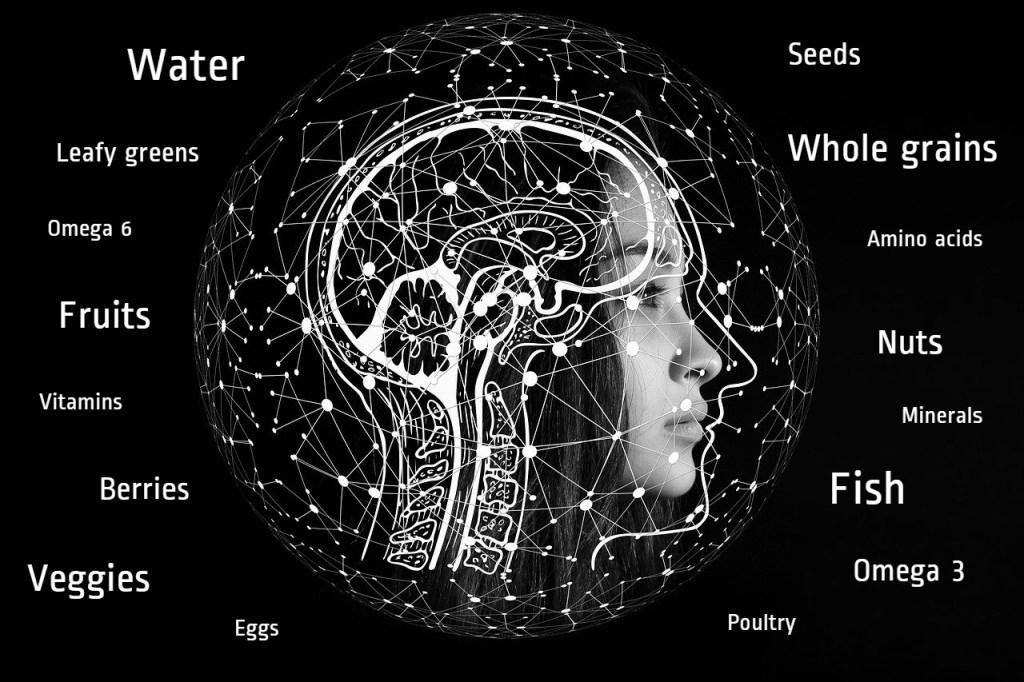
So, some nutrients are essential to include in our diet for our brain to function on its highest potential as a big portion of our brain’s structure is derived directly from food. I mentioned water, fatty acids and amino acids (which are driven from protein) previously, but complex carbohydrates and some vitamins and minerals also play an important role in feeding our brain.
Complex Carbohydrates
Our brain uses more glucose than any other organ in our body, as glucose serves as the fuel. Although, it is important to get the glucose from complex carbohydrates (like whole grains, vegetables and beans) as they are more time-consuming to digest they are releasing the glucose slowly into the bloodstream and provide a more stable and consistent supply of glucose for our brain to function on.
Essential Fatty Acids (EFAs)

As I mentioned before the neurons in our brain are predominantly made of fat. Although our body can not produce essential fatty acids (EFAs), so we must include them in our diet. Omega-3 and Omega-6 are groups of essential fatty acids that we hear a lot about, as they are the most important fats to include in our diet to feed our brain. One of the richest sources of Omega 3 fatty acids are oily fish, there are also vegan sources like chia seeds, brussels sprouts, walnuts and flax seeds (1), although vegans should pay extra attention to their omega 3 intake. A study has reported that eating more fish positively affected the moods and self-reported mental health of the participants (2), this shows how much omega-3 can affect our everyday life. Omega-6 fats are found in a range of seeds, vegetables and vegetable oils.
Amino Acids
Amino acids are important as the neurotransmitters in our brain are made of certain amino acids and some of those (called essential amino acids) need to be derived from food protein as our body can not produce them in itself. Certain amino acids are directly converted into neurotransmitters, which means if we don’t consume them from protein then our brain will lack those neurotransmitters, meaning problematic communication between neurons. A deficiency in certain amino acids may leave someone feeling depressed, apathetic, unmotivated or unable to relax (3). Some important neurotransmitters for mood and thoughts are acetylcholine, serotonin, dopamine, adrenalin, noradrenaline and GABA.

Acetylcholine
is involved in the control of thought, mood, sleep, and muscle function (4). The best sources of the needed amino acids are organic/free-range eggs and fish (especially mackerel, sardines, salmon, and fresh tuna).
Serotonin
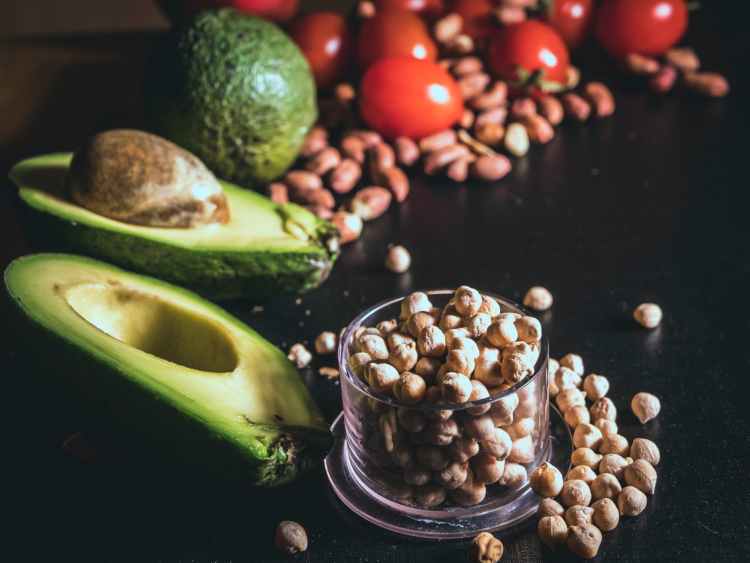
is concerned in controlling mood and levels of consciousness (5). Best sources of the amino acids are fruits, avocado, wheatgerm (included in whole grain bread), eggs, fish, lean organic poultry.
Dopamine
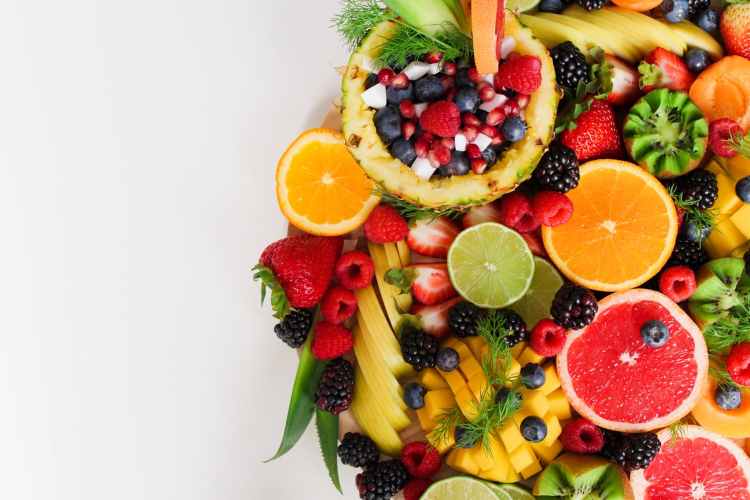
is involved in motor control, cognition, and reward (6). Foods to eat to support dopamine production are fruits and vegetables high in vitamin C, wheat germ and yeast spread.
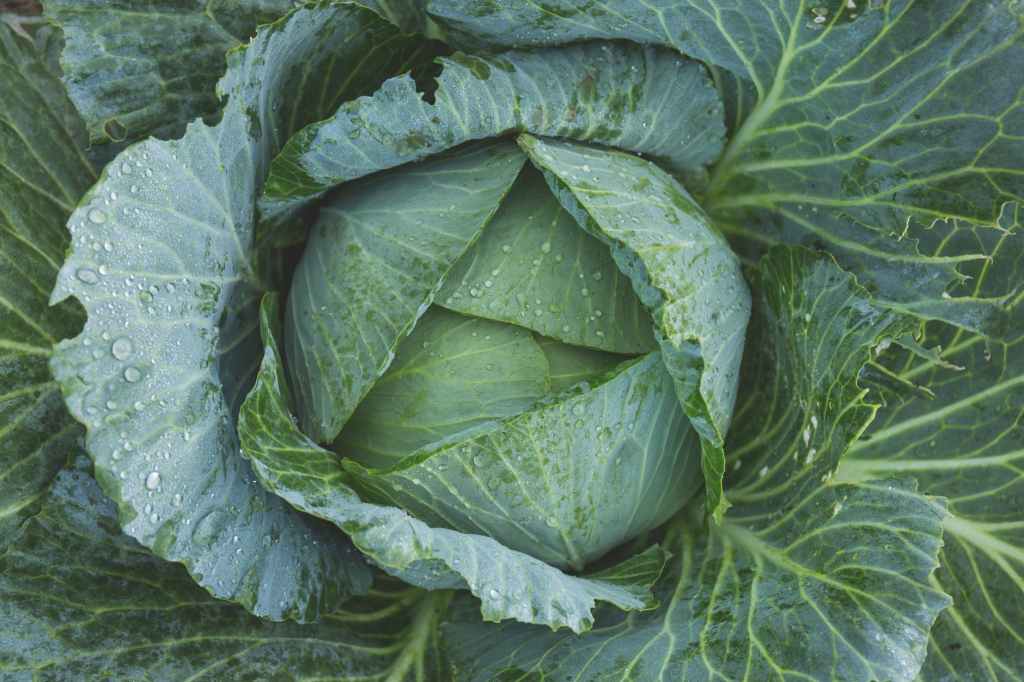
GABAreduces the activity of neurons and that effects our body and mind on very beneficial ways, like increased relaxation, reduced stress, a more calm, balanced mood, alleviation of pain, and a boost to sleep (7). Foods that improve GABA production are dark green vegetables, seeds and nuts, potatoes, bananas and eggs.
Vitamins and Minerals
The role of vitamins in brain function is a bit more indirect than the role of the previous nutrients but just as essential as they are supporting their incorporation process. They convert carbohydrates into glucose, assist essential fatty acids to get incorporated and help amino acids to get converted into neurotransmitters.
Key vitamins and where to find them:
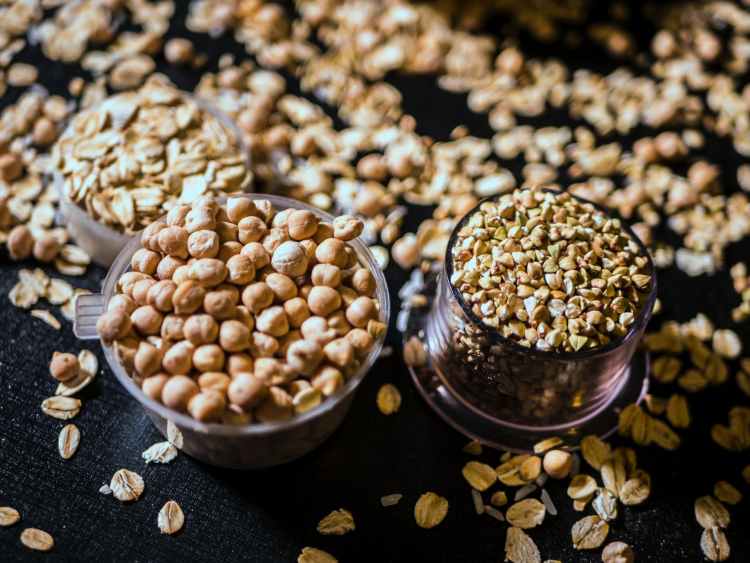
Whole grains
Vitamin B1, B3, B5, B6, Selenium
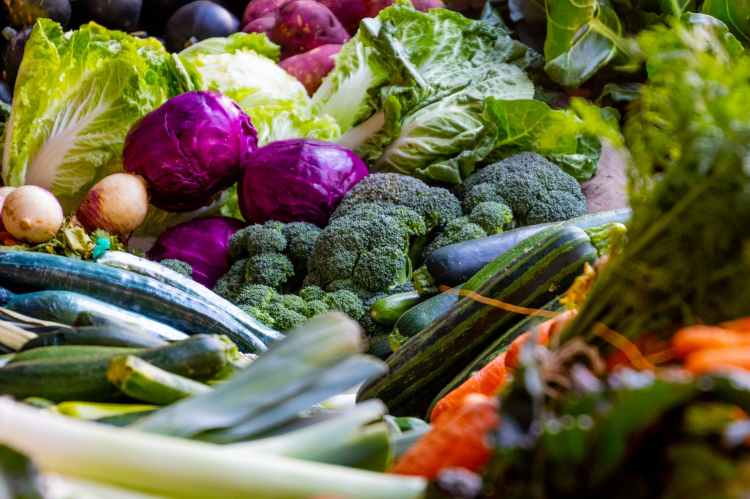
Selection of Veg and Fruit
Vitamin C, Folic acid, Magnesium
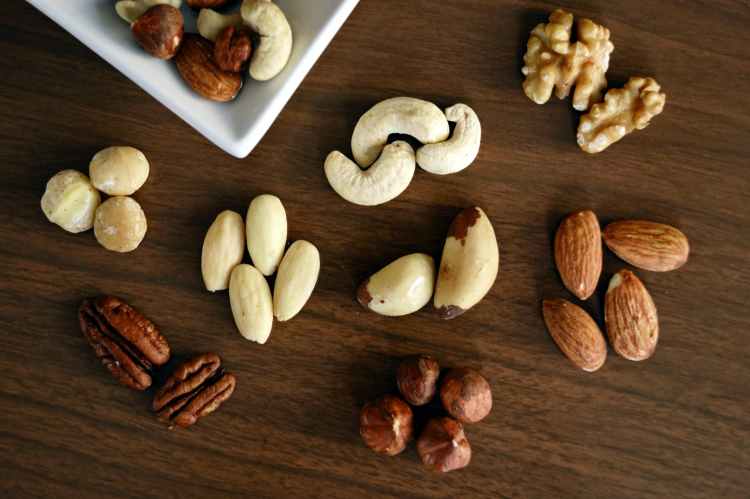
Nuts and Seeds
Magnesium, Selenium, Zinc

Fish
Vitamin B12, Selenium
Vitamin B12 is the only micronutrient that is difficult to get from vegan sources, it is only found in fortified foods, so people following a vegan diet should pay special attention to adequate B12 intake.
Antioxidants
Furthermore, a special group is formed by the antioxidant vitamins which serve a different role in our brain. Normal cell function produces a small number of harmful chemicals called oxidants, but saturated fats and trans fats can raise their emission to a level that the body can not handle alone just with the help of antioxidant. Oxidants are molecules that are missing a critical atom that they try to steal from other molecules and by this damaging the brain tissue built from fats, proteins and vitamins. This process can be avoided by the low consumption of saturated and trans fats and with the incorporation of vegetables high in antioxidants:
Prune, raisins, blueberries, kale, strawberries, raspberries, spinach and broccoli
Water
Last but not least, we shouldn’t forget about water, as mild dehydration can affect feelings of wellbeing, performance and learning. Symptoms of inadequate hydration include increased irritability, loss of concentration and reduced efficiency in mental tasks. So remember to drink 2 litres of water a day and keep hydrated.
In conclusion the most important things to include in our diet for our brain are oily fish, whole grains, a selection of veg and fruit and dark leafy greens. A divers diet is also very improtant and the rule applies that what is healthy for your body that is good for your brain. Furthermore it is important to avoid saturated and trans fats like butter, lard and margarine.
This article is based on the study of Mental Health Foundation, more information can be found in their study Feeding minds: the impact of food on mental health.
Resources:
- https://www.healthline.com/nutrition/7-plant-sources-of-omega-3s#section5
- Silvers KM, Scott KM: Fish consumption and self-reported physical and mental health status. Public Health Nutr 2002; 5(3):427-31
- Holford P: The Alzheimer’s Prevention Plan: 10 proven ways to stop memory decline and reduce the risk of Alzheimer’s. London: Piatkus. 2005
- https://medical-dictionary.thefreedictionary.com/acetylcholine
- https://medical-dictionary.thefreedictionary.com/serotonin
- https://encyclopedia.thefreedictionary.com/dopamin
- https://www.psychologytoday.com/us/blog/sleep-newzzz/201901/3-amazing-benefits-gaba
 Foodaware
2 thoughts on “How can food affect our brain?”
Comments are closed.