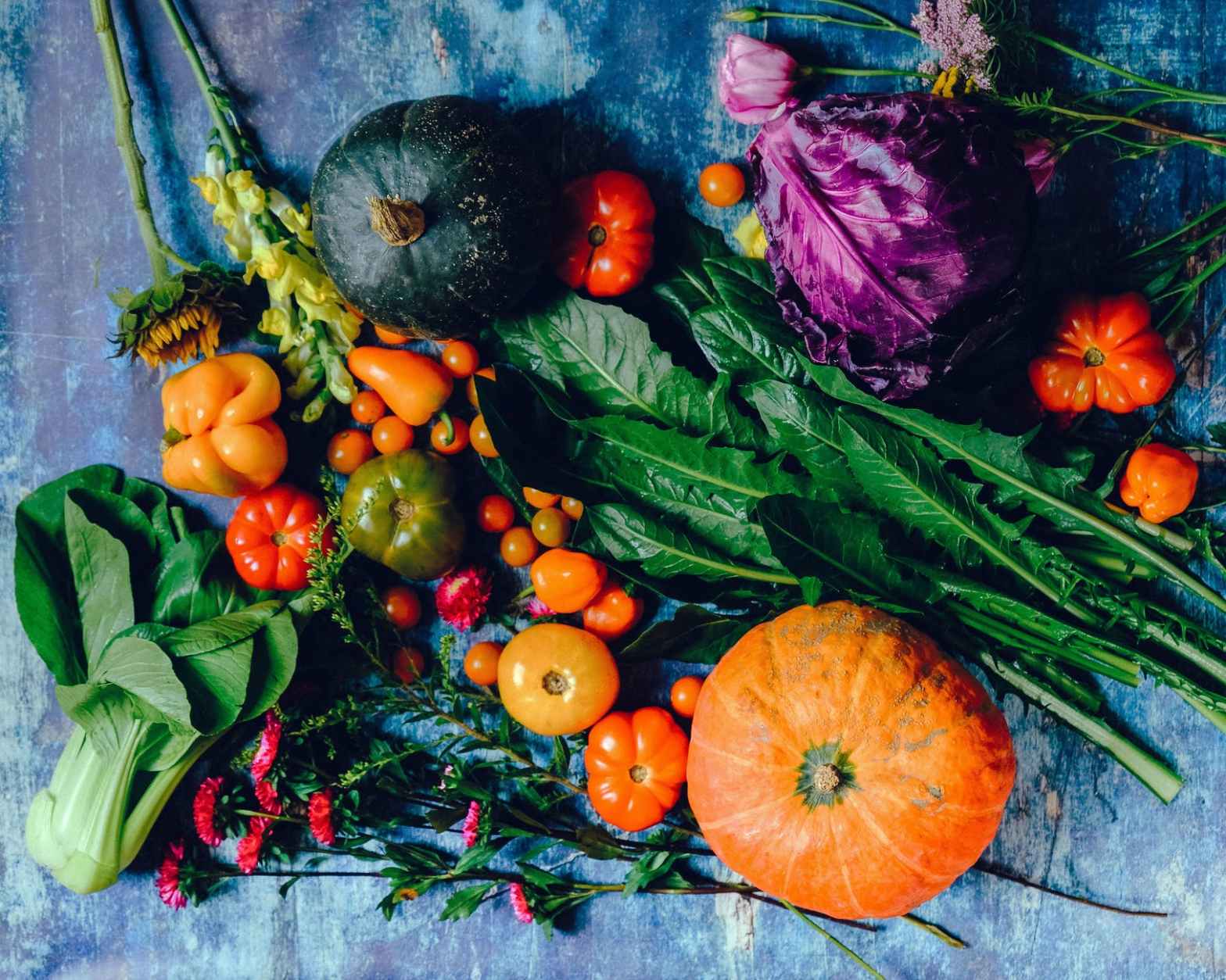
Gifts of the season: June

It is controversial if eating only seasonal and locally produced food is better for the environment or our health as it is a complex topic and a lot depends on the region (1). It can be difficult to get the good amount of vegetables during winter and needs a lot of preparation in the summer to conserve food. On the other hand, it still has some benefits to include locally sourced food in our diet:


It is good economically for the homeland
It can make our diet a bit more diverse

(as we always eat different seasonal vegetables)


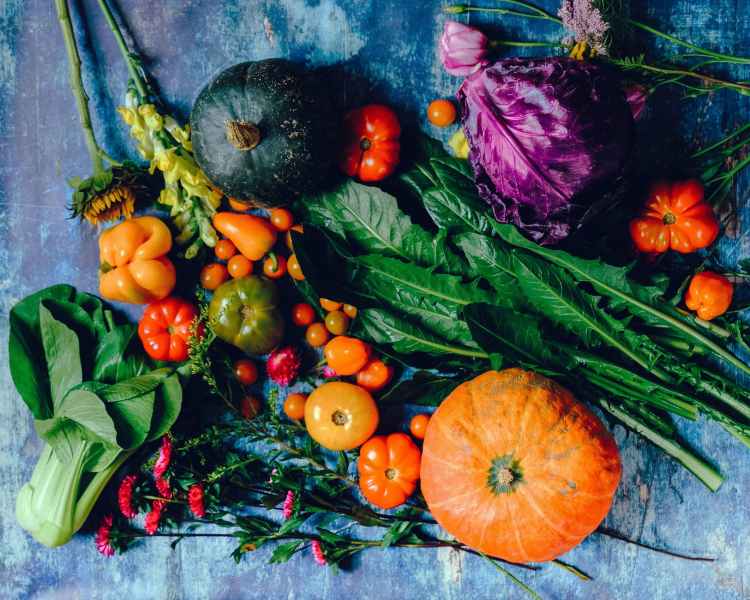
June and summer is a good time to focus on eating more seasonal produce, as it is rich in veggies and fruits. Even when eating seasonally it is important to focus on eating all the colours of the rainbow so we can get all the nutrients our body needs (as the colour is defined by the vitamin).

Purple

Aubergine, Radishes, Beetroot

They are rich in antioxidants which soak up reactive molecules in our body before they have a chance to harm sensitive tissue like blood vessels.

Orange

Carrot

The only orange vegetable in season (as there aren’t many of them all together) is Carrot. It gets its colour from carotenoids (vitamin A), they play a role in vision, bone growth, reproduction and a very important part in immunity.

Red

Tomatoes and chilies

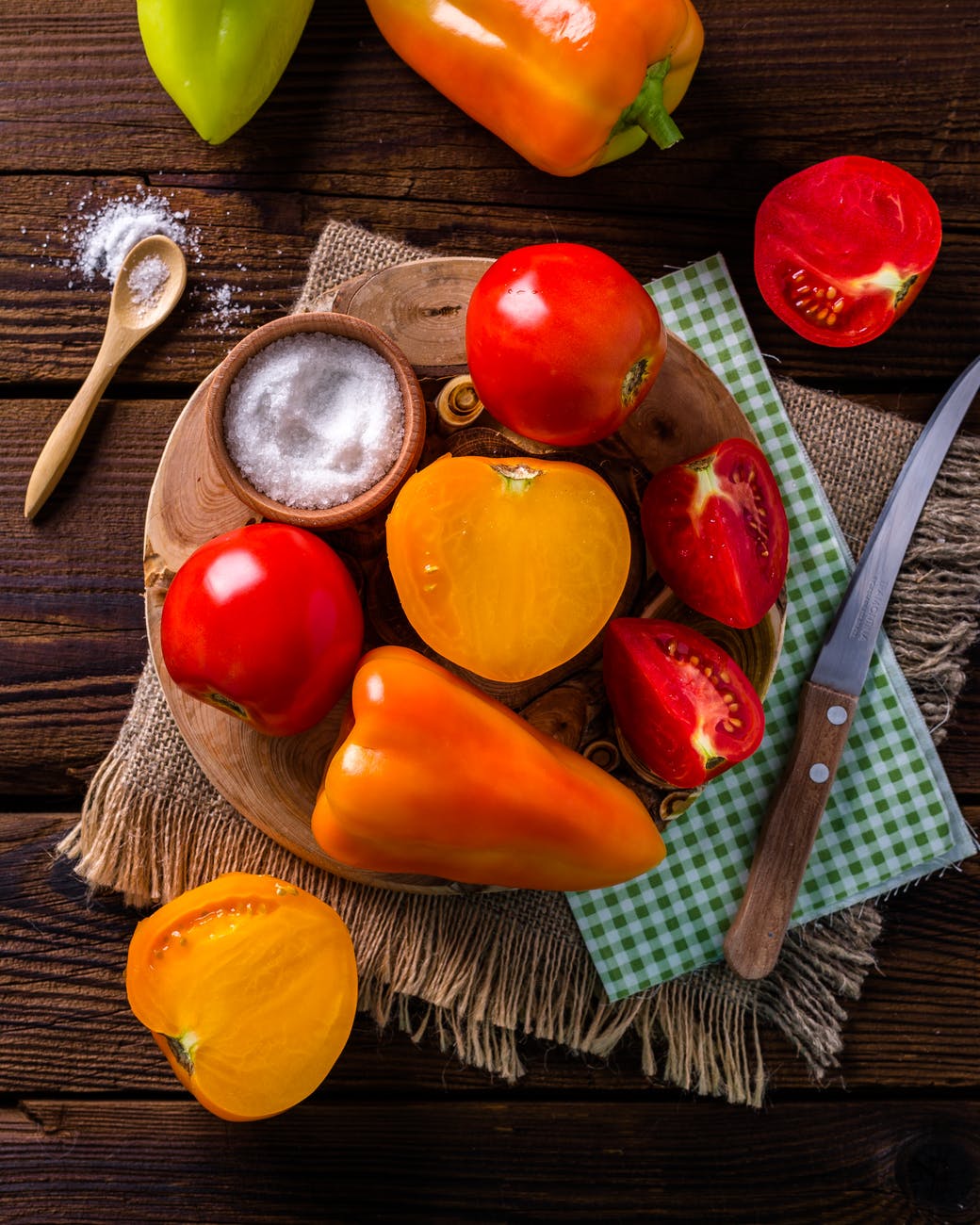
Tomatoes and chilies are finally coming into season in June. The vitamin A and C in them promotes immune defense and vitamin C helps in collagen production benefiting the skin.

Green

Artichoke, Asparagus, Fennel, Courgette, Kohlrabi, Turnips, Broccoli

Green vegetables are rich in Magnesium, which makes us healthier by promoting protein synthesis, muscle and nerve function, blood glucose control, and blood pressure regulation. Broccoli is also a good source of Calcium, that plays a role maintaining blood pressure and normal muscle and nerve function.

Leafy greens

Lettuce, Rocket, Spinach, Spring onion, Watercress, Samphire

The Magnesium in them promotes protein synthesis, muscle and nerve function, blood glucose control, and blood pressure regulation. Spinach is a good source of Iron that Carries oxygen and makes some important proteins (haemoglobin, myoglobin) and hormones.

Legumes

Broad beans, French beans, Magetout pea, Runner beans

Beans contain B vitamin that has a role in energy metabolism, carbohydrate / protein metabolism and preventing neural tube defect (birth defect), Iron and Zinc (supporting skin barrier function).

Fruits

Bilberries, Blueberries, Cherries, Strawberries, Gooseberries, Greengages

The upper mentioned fruits and vegetables are based on the list by Eat the Season and applicable to the UK and for regions with the same climate.


Prepare to enjoy the lovely gifts of June!

Jamie Oliver’s Summer Vegetable Lasagne

Veggie ingredients from the season:

Asparagus
Spring onion
Broad beans
Peas

This is not a full list of ingredients, only the fresh vegetables making the main body of the food. Watch the video for the full list of ingredients and preparation guidance!


Resources:

(1) https://www.cambridge.org/core/journals/proceedings-of-the-nutrition-society/article/seasonality-and-dietary-requirements-will-eating-seasonal-food-contribute-to-health-and-environmental-sustainability/08545F71A12EF0FE233E8D1DEFEF227A/core-reader


All goodies you can eat in June!
#june #veggie #vegetarian #plantbased #recipe #nutrition

Read more

Coffee the sustainability pioneer

In a previous article, I have already investigated the effect of coffee on our body, but this is not all that we need to know when we decide how much coffee we drink, but the sustainability of the regular consumption. The coffee market is a pioneer in getting sustainable voluntarily. On the other hand, coffee production is still far from perfect as many studies show that existing certifications donโ€™t reach the outcomes they meant to reach. Therefore, collaborations are emerging like Sustainable Coffee Challenge to include all participants in the coffee market (even us, costumers) in creating a more sustainable future for coffee as the demand for coffee is continuously growing.

Coffee is the most beloved beverage in the world, as people are consuming 145 million bags a year on average.

Although, we also need to consider if this high consumption of coffee is sustainable in the long run. Many measures need to be taken to determine the sustainability of the product by identifying the hotspots in the supply chain. These hotspots can appear in farming, roasting, delivering and even at packaging the products. On the other hand, the most critical state with most of the risk factors is farming. Risk factors involve social factors like child labour, labour rights, worker health and safety, environmental factors like deforestation, biodiversity and water scarcity. Therefore, it is essential to look at the circumstances of the coffee-producing countries.

Top coffee producers

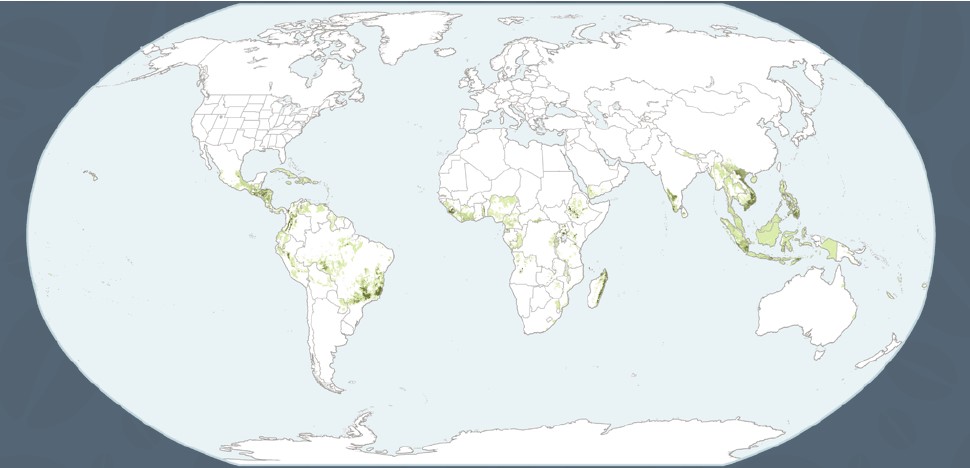
Coffee is grown in tropical regions of the world with the top three coffee producing countries being Brasilia, Vietnam and Colombia. Many of the people love the flavourful arabica beans which dominate the middle and high end of the coffee market. The majority of the arabica is produced in Brasilia followed by Colombia and Ethiopia. On the other hand, Robusta, which survives in more varied conditions, is likely used in cheaper coffee blends and instant coffee. The majority of Robusta on the market is grown in Vietnam followed by Brasilia and Indonesia (1).

Coffee producing regions
Source: The Sustainability Consortium. 2017. Coffee production and sustainability, The Sustainability Consortiumโ€™s commodity mapping report

Hotspots

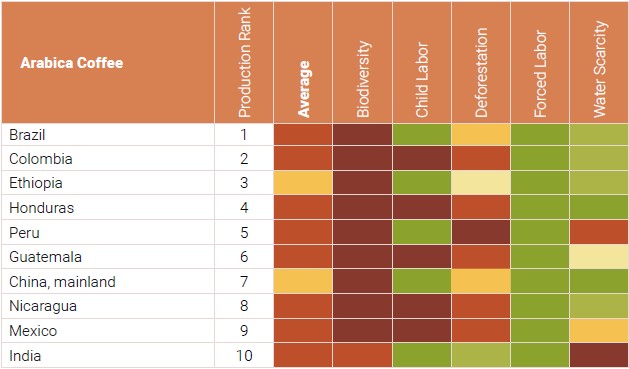
The Sustainability Consortium published a report which identifies the sustainability risks in different coffee farming regions. First, letโ€™s look at the main producers of Arabica as it is ruling the market. As I mentioned before the top three are Brasilia, Colombia and Ethiopia.


Among Arabica producers they identified Ethiopia having the lowest environmental risk, only showing high risk for biodiversity.


Unfortunately, coffee production means high risk for biodiversity everywhere, but both Brasilia and Columbia have a greater risk for deforestation and Columbia even has a high risk for child labour (1).

Key: Green: no high risk, Light green: very few- (0-1%) Light yellow: few- (1-5%), Yellow: many- (5-20%), Red: many to most- (20-50%), Auburn: most regions are at high risk (>50%)
Source: The Sustainability Consortium. 2017. Coffee production and sustainability, The Sustainability Consortiumโ€™s commodity mapping report

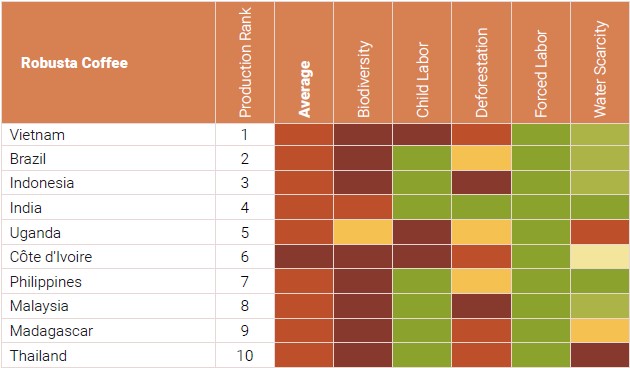
If we take a look at Robusta, unfortunately, the greatest producer carries the greatest environmental and social risks. Vietnam has some risk for water scarcity, high risk both for biodiversity, deforestation and child labour compared to Brazil and Indonesia where there is no risk for child labour and water scarcity. Indonesia has a high risk for deforestation too.


In conclusion, Brasilia finishes on the first place in the race for sustainability among the major Robusta Producers (1).


Key: Green: no high risk, Light green: very few- (0-1%) Light yellow: few- (1-5%), Yellow: many- (5-20%), Red: many to most- (20-50%), Auburn: most regions are at high risk (>50%)
Source: The Sustainability Consortium. 2017. Coffee production and sustainability, The Sustainability Consortiumโ€™s commodity mapping report

Coffee as biodiversity risk

This data indicates that biodiversity is at risk in all of the coffee-producing regions. This has a very simple reason, territoriality. The coffee plant has very specific needs, especially the arabica species. It only grows in tropical regions in very special circumstances which are also the region of exceptional biodiversity and a selection of plants, which can be found nowhere else. Unfortunately, agriculture and monocultures taking the place away from these plants (2) (3).

Governance of sustainability

We can see that the coffee market still struggles from sustainability problems, although it has historically been a pioneer in sustainability efforts. On the other hand, how do they monitor sustainability throughout the supply chain? Numerous certification schemes have emerged in the early 2000s, which intend to improve the environmental and social sustainability of production. Although as the coffee market is highly international it is difficult to regulate it through governments, so the organisations in the supply chain developed voluntary regulations through their interaction with each other. Unfortunately, these regulations are not working the best yet as it does not address the environmental and social problems for what it was created well enough. Therefore, there are emerging direct-impact projects which are very promising as they include the companiesโ€™ interpretation and priorities in addressing sustainability in collaboration.


An example of these efforts is the Sustainable Coffee Challenge. This allows creating a market which is sustainable both environmentally, socially and economically.  (3)


What can WE do?

What consumers can do is look for coffee certifications when buying a product, as these certifications ensure that sustainability was concerned throughout processing. Widespread coffee certifications are eg.: Rainforest Alliance, Fair Trade, UTZ, 4 common code and Organic. (1) By buying these products you can pressure farmers to meet the requirements of the certifications otherwise they lose significant income.


But this is not the only way!

You can get involved in this conversation yourself by asking in the cafรฉ where you get your daily brew if they know where their coffee comes from and encourage them to research their sources.


In the framework of Sustainable Coffee Challenge, a section wide collaboration came to life to ensure the coffee supply even though climate change will mean a hard time for farmers. They also encourage everyone to participate in this conversation and act to help maintain their coffee in the future.

The Sustainable Coffee Challenge

How to improve your immune system?

The development of healthy eating habits can be very useful if you want to have a stronger immune defence, as it seems like there is a connection between nutrition and immunity, especially in the elderly population. Micronutrients are required in our body in certain amounts so our immune system can function adequately. 

Furthermore, some other antioxidant vitamins (preventing cell damage) might have a role in immunity like vitamin K and B6. Still, there is less evidence of their effects. Some micronutrient deficiencies like zinc, selenium, iron, copper and folic acid also alter immune reasons (although it was proven by animal testing). These nutrients strengthen our immune system by supporting our skin, supporting immune cells and antibody production.

Vitamin A and D

Vitamins A and D can influence the immune response in a highly specific way, as they have hormone-like properties. These two hormones are directly acting on different immune cells and enhance T-cell function (influences antibody class-switching) and B-cell proliferation (gives rise to different antibody isotypes). These cells have an essential role in protection by managing antibodies and destroying invading viruses. They even have the potential to be used in clinical settings for therapeutic benefits.

Foods rich in vitamin A

The colour orange (carrot, peach, pineapple, pumpkin, banana, beets, apricots, mangoes, squash) and red (apple, berries, tomato, pepper) indicate that the vegetable high in carotenoids but it can be also consumed from green leafy vegetables (broccoli, kale, turnip, collard greens, spinach, sweet potato).

The orange color of carrot indicates it is rich in vitamin A

Foods rich in Vitamin D

The main source of vitamin D is sunshine so go out and enjoy the sun whenever you have a chance. But, some foods like fatty fish, fish liver oil, milk products and fortified cereals do have some vitamin D in them, and it might be good to get it included in your diet.

Salmon is a fatty fish rich in vitamin D

Other vitamins:

Vitamin-E is an antioxidant and helps to prevent inflammation and tissue damage in the body, furthermore, enhances skin barrier function. Other micronutrients supporting skin barrier function are vitamin A, C and zinc.


Vitamins A, B6, B12, C, D, E and folic acid and iron, zinc, copper and selenium support the protective activity of our immune system in synergy.


Furthermore, many of the before mentioned are supporting antibody production. If you want to see more details about which food contains these vitamins, you can find it here.

Pea is rich in zinc, iron and vitamin B

All these findings show how important it is to have all the nutrients our body needs. So, let put all these smart things into practice and letโ€™s take a look at what to eat to have a strong immune system ready to fight off viruses. We have the option to buy some supplements, but these nutrients work best in synergy with others and our body might not absorb supplements as well as it does vitamins from food sources, so best way to get ready is by eating diverse.

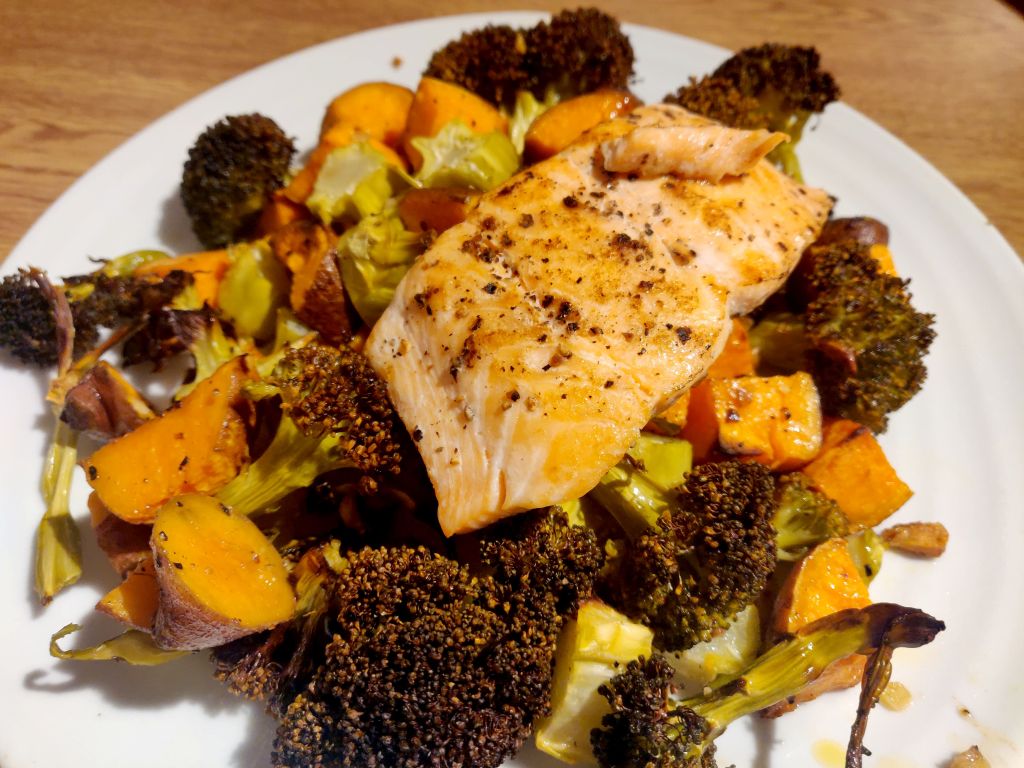
Salmon on broccoli and sweet potato bed

This is my recommendation for a nice immune-boosting meal. It is easy to do, doesnโ€™t take much time but has every vitamin your immune system needs.

Salmon on broccoli and sweet potato bed

Portion: for 2 people

Preparation time: 40 mins

Preparation

Veggies:

Broccoli and sweet potato
  • Preheat to 200 ยฐC (395 Fahrenheit)
  • Wash your vegetables thoroughly and leave the skin on the sweet potato
  • You can use frozen broccoli too, it doesnโ€™t affect the quality
  • Separate the heads of your broccoli and cut the stems and the sweet potato into 2 cm (half an inch) chunks (bite-size)
  • Cut 4 cloves of garlic finely and mix it with the rest of the vegetables
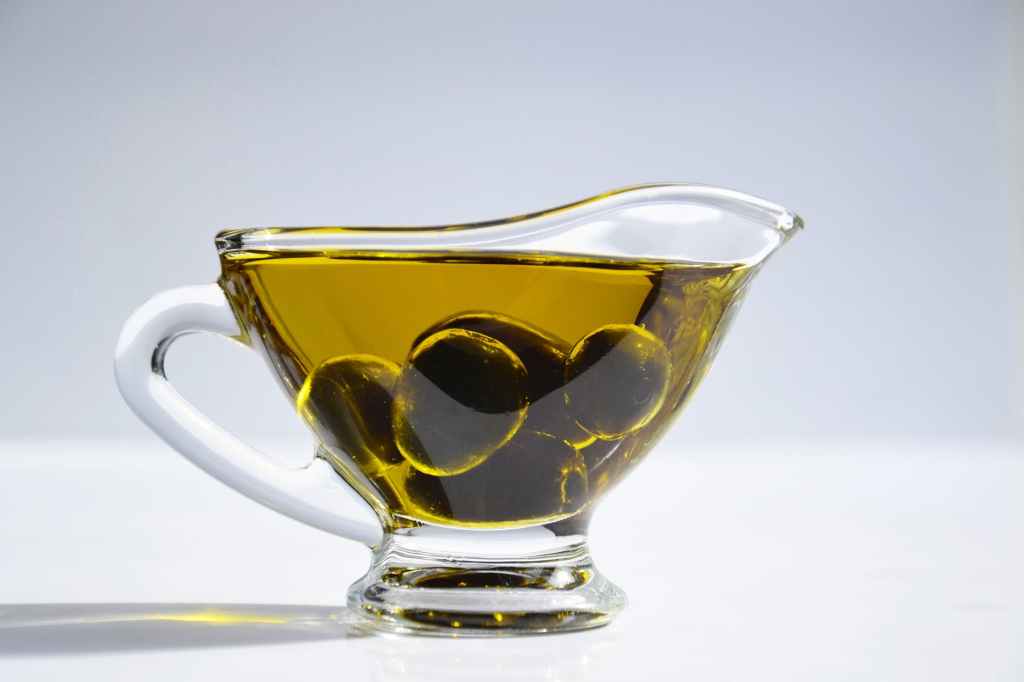
  • Put them on a tray and season with salt and pepper, sprinkle with olive oil and mix it until everything gets coated
  • Roast for 30 minutes

Salmon:

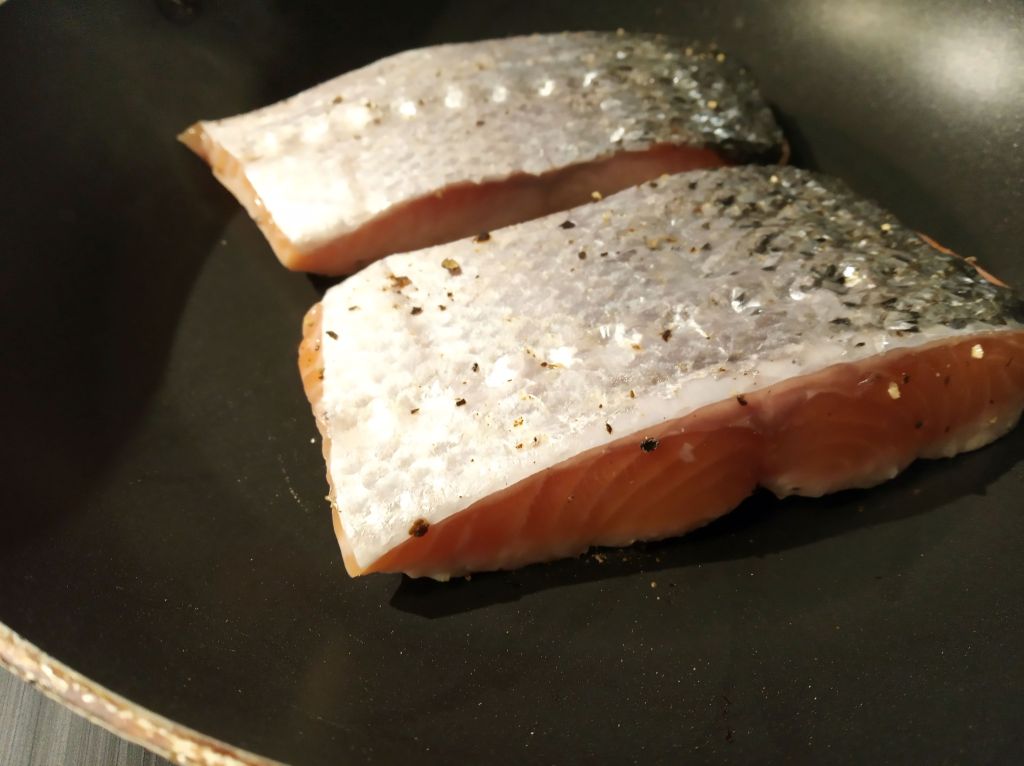
Salmon
  • Take 200 grams of salmon and season it with salt and black pepper
  • put the stove on full heat
  • start to fry in a cool pen without oil skin side facing upwards
  • wait until it releases its own fat and turn it around
  • take the temperature down a little bit
  • when the salmon has cooked through (the flesh turned white after approximately 5 minutes) it is done

Final step:

Serve this delicious food and enjoy, as a final touch you can sprinkle some lemon juice on the salmon.

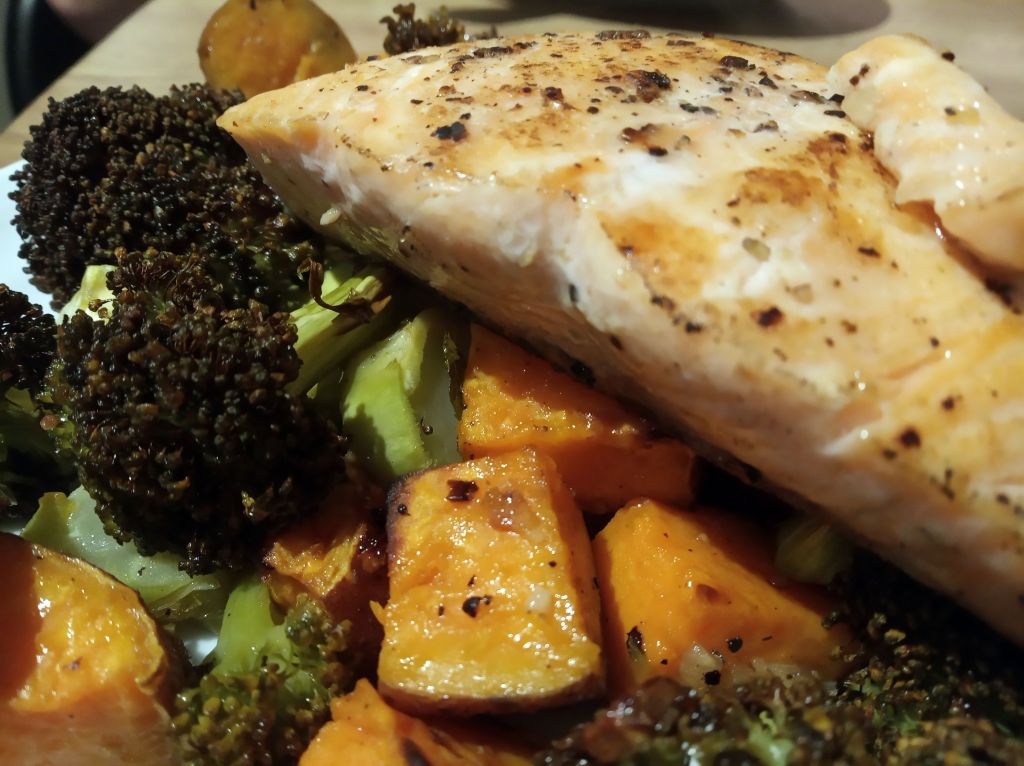
Salmon wth broccoli and sweet potato

As you can see it is not a very complicated recipe, it doesnโ€™t have to be time-consuming and complicated to get healthier. Salmon, as a fatty fish, has vitamin D which is essential for our immunity, furthermore, it is high in zinc, vitamin B and omega-3 which is a great brain food. Broccoli has vitamin C, E and A at the same time and sweet potato is also rich in vitamin C and A. Moreover, if we roast our veggies with olive oil, we also have our vitamin E intake and the mixture of immune-supporting nutrients is done.

On the other hand, donโ€™t forget that only one good meal wonโ€™t do magic and you need to stick to a diverse diet with good nutrients for the benefits. You can read more about micronutrients here, and about which food contains which nutrient.

Continue reading “How to improve your immune system?”

Rainbow diet to eat enough vitamins

3 billion people have micro nutrient deficiency on the earth, although people in western society have every chance to get the vitamins they need from their diet. this is a problem as vitamins and minerals support our body in growth and functioning. They have a role in immunity, energy production, blood clotting, growth and development, bone health and disease prevention.

Vitamins

The key vitamins our body needs are A, C, D, K, E and B vitamins (thiamine, riboflavin, niacin, pantothenic acid, biotin, B6, B12, and folate). We can get enough of all these vitamins from food. The most basic tip for having enough vitamins in our diet is to eat diverse, picking an assortment from different food groups will balance your vitamin intake out.


A very good example of how well made our world is that the colour of the fruit indicates what kind of vitamin it contains.


It means when we go to do our shopping just should follow our eyes and make sure to have a colourful basket, as we would like to eat all the colours of the rainbow. Although, here the question might arise in your mind: What are certain vitamins play a role in exactly? Now I will write about the most important vitamins we need, as there are too many vitamins to write about in only one article.

Vitamin A

Plays a role in vision, bone growth, reproduction and immunity. There are two different types of vitamin A, one which come from vegetables called carotenoids and one which is pre-formed and obtained from animal products, although this one can reach toxic levels. Vitamin-A is one of the most common deficiencies so it is good to know how we can smuggle some more of it into our diet. The colour orange (carrot, peach, pineapple, pumpkin, banana) and red (apple, berries, tomato, pepper) indicate that the vegetable high in carotenoids but it can be also consumed from green leafy vegetables.

Vitamin C

It is quite well known that it has a role in immune function, but it is also important in collagen production and helps us to keep our skin young and soft. You can get more vitamins into your diet with citrus fruits, pepper, tomatoes and berries.

Vitamin E

Is involved in immune function and cell signalling, regulation of gene expression, and other metabolic processes. Nuts, wheat germ, seeds (sesame), and vegetable oils (peanut, olive and canola) are among the best sources, furthermore, green leafy vegetables and fortified cereals contain it too.

B-vitamins

Have a role in Energy metabolism, carbohydrate/protein metabolism and preventing neural tube defect (birth defect). It has great importance for women planning children. Although it has a great role in energy metabolism if someone is not deficient it doesnโ€™t raise the energy level in excess quantities. There are many sources of B-vitamins like meat, fish, poultry, milk, beans and whole grains.


Whole grains can serve as a source of many different B vitamins which are stored in the germ and bran, so this is another good reason to exchange the white brad on our shelf.


Vitamin D

Unfortunately, this vitamin is not commonly found in food, but the main source is sunshine, and this is a vitamin our body canโ€™t produce itself, although it has some important effects. It promotes bone health, absorption of calcium, reduces inflammation and enhances immunity. Some food sources to get some vitamin D in the winter months are fatty fish, fish liver oil, milk products and fortified cereals.

Minerals

That was all we need to know about vitamins letโ€™s look at some important minerals we should include in our diet now. Although, it is much less common to have a mineral deficiency. They also help our body to function well but only some of them are needed in larger quantities:

Calcium

We hear a lot about it as a mineral which strengthens our bones, although, it maintains blood pressure and normal muscle and nerve function and stored in our bones. Good sources of Calcium are milk products and bones, but some vegetable sources are Chinese cabbage, kale and broccoli.

Magnesium

It has an essential role in the prevention of certain conditions as it promotes protein synthesis, muscle and nerve function, blood glucose control, and blood pressure regulation. It can be found in green leafy vegetables, such as spinach, furthermore in legumes, nuts, seeds, and whole grains.

Potassium

It is required for normal cell function, that is why it is found all over in our body and essential to have a well-functioning body. To maintain potassium in our body we should eat dried apricots, lentils, potatoes, Meats, poultry, fish, milk, yoghurt, and nuts. Adults get a lot of their potassium from coffee and tea.

Iron

Carries oxygen and makes some important proteins (haemoglobin, myoglobin) and hormones. You can get enough iron by eating lean meat, seafood and poultry, beans, lentils, nuts and spinach. Vegans and vegetarians should pay extra attention to their iron intake as the plant-based iron (non-heme) is not absorbed by our body so efficiently. It might help to eat more vitamin c rich foods too, as it helps with the absorption of iron.

Iodine

Plays a role in brain and cognitive development, especially in fetus so pregnant women should pay special attention. In advance to get enough iodine you should include seafood, diary-products and grains in your diet.

Zinc

Plays a role in immune function and wound healing and is present in every cell as it is involved in DNA synthesis. Furthermore, it is involved in having a proper sense of smell and taste. It is found in Atlantis oysters in the largest amount, furthermore, in red meat, beans, nuts, whole grains and diary. It is good to consume zinc daily as our body doesnโ€™t have a specialised storing system.

Why should we get our micronutrients from food?

These were all the important vitamins and minerals and what we should know about them.


Here it is important to mention that supplements canโ€™t replace food sources of these micronutrients as it is important to have them in the food matrix as different nutrients promote the absorption of each other.


It is not proven that having dietary supplements in the diet have extra health benefits if someone doesnโ€™t suffer from a deficiency, so it might be a waste of money. The best thing we can do to have all the nutrients we need is to have a diverse diet with a different meal on the table every day. Also remember to include more vegetables in the diet (in every colour) and to eat seafood twice a week.

Continue reading “Rainbow diet to eat enough vitamins”

Coffee, the double agent

The fact that coffee is the most commonly consumed drug in the world with approximately 80% of adults drinking it is not very surprising. For me, that is a surprise when I meet someone who doesnโ€™t drink coffee at all. On the other hand, because of this, it should be common knowledge what effects coffee has on our body apart from the obvious one: it keeps us awake and alert. Luckily because of the love of coffee, it is not only the most consumed but the most widely studied substance at the same time, so we almost have every resource we need to get familiar with its effects.

How does caffeine work?

My energizing coffee brew

Of course, most of us drink coffee because of its caffeine content, as it enhances alertness and improves physical performance. How does it do it though? Coffee is a Central Nervous System stimulant, as it connects to adenosine receptors to our brain. Adenosine is a neurotransmitter responsible for the sleepiness we feel when our body is craving for a rest. Caffeine has a very similar structure to adenosine, so it blocks it from getting into the receptors by getting there first, and because of this it even allows dopamine to flow more freely. This results in us being more awake, powerful and less moody, but happy.

The good news about caffeine

Have a good day coffee mug

Letโ€™s keep on talking about the good news from coffee and caffeine. Studies have shown that regular caffeine consumption has many other not so clear benefits. Drinking coffee because of your daily workout can help to improve physical performance during endurance exercises. It can also provide improved performance on a range of different tasks, including vigilance, response times, information processing, but it is important to mention, that the improvements are quite small and don’t get better with more caffeine. Even more, moderate consumption can have good effects on your brain like decreased cognitive decline, lower risk of Alzheimerโ€™s, Parkinsonโ€™s and depression. Researchers have found that caffeine doesnโ€™t only affect your brain but may help protect the lens of the eye against damage and can lower the risk of developing kidney stones.

Antioxidants and vitamins

This was all about caffeine so far but as we all know caffeine is not the only substance in coffee. In many cases, caffeinated and decaffeinated coffee has the same effects, which suggests that something else in coffee is involved in all these effects. Coffee has more than 1000 bioactive compounds, which leave their marks in our body but luckily, they have more benefit than harm. Among these, antioxidants are proven to have many benefits, as they sop up reactive molecules before they have a chance to harm sensitive tissue like blood vessels. Coffee also contains vitamins in small amounts like magnesium, potassium, niacin and choline. These compounds all together result in other benefits that we can get from coffee. A Swedish study showed that women who drank more than one cup of coffee per day had a 22 to 25 per cent lower risk of stroke compared with women who drank less.

Chlorogenic Acid the double agent

The second most potent compound in coffee is chlorogenic acid, which is like a friend who sometimes backbites you. This friend has many good attributes, like helps you to lose weight, saves you from inflammation and even protects you from dangers like type-2 diabetes and cardiovascular disease. Although, when you take a closer look, you realise that it harms your intestines because of its high acidity levels and can also cause stomach problems ranging from bloating, gas, nausea, and cramping. But donโ€™t panic, you can avoid it, it is not an accident that Italians drink their delicious espresso after a nice fulfilling meal.  Drinking coffee on a full stomach can cancel the acidity and leave you with a still stomach and all the benefits coffee can give you. Coffee can also help with constipation and digestion as it triggers Gastrointestinal (GI) tract muscle contraction and quickly removes waste soon after ingesting which helps you to get faster rid of your drowsiness after meals.

How much coffee is really good for you though?

Dietitians suggest that you should only consume coffee in a limited amount of 2-3 cups of percolated coffee or 4 cups of instant coffee (as it has lower caffeine content). It is a general guideline, but you should keep an eye on what your body is telling you, as tolerance level varies from person to person because of metabolism and genetics, and some people may experience the signs of overdose from a smaller amount. If you feel adverse reactions like heart palpitations, restlessness, anxiety, upset stomach or sleeplessness, then your body probably tries to tell you that you did a bit of overkill with your coffee consumption.

Furthermore, everyone who drinks coffee regularly can build up caffeine tolerance and might start to realise that the usual cup of coffee doesnโ€™t give the same level of awareness as it used to do. It can lead people to consume more coffee over time and may pressure to cross the advised limits of daily coffee consumption. DSM-5 (“Diagnostic and Statistical Manual of Mental Disorders“) even includes โ€žCaffeine use disorderโ€, which refers to users who can’t stay away from caffeine, even though it might intensify their related health problems (like high blood pressure).

Many people donโ€™t even realise that they are dependent until they canโ€™t get coffee for a day and start to feel the effects of withdrawal. During this period, they might experience headaches, fatigue, irritability, drowsiness and difficulty with concentration. These side effects donโ€™t make it impossible to skip coffee. If you are a regular coffee drinker and up to a challenge to try a day without coffee, it can be a very thoughtful experience. Although, choose a day when you donโ€™t have too many things to do, so the symptoms wonโ€™t block you from productivity. The addiction can have many back-hangers, as it can leave its mark on your purse and it can leave you in big trouble when you donโ€™t have access to a coffee machine when you need it. It doesnโ€™t mean that anyone should stop drinking coffee but a re-weigh of coffee consumption can make no harm.

Some more interesting facts

Letโ€™s finish this article with some more interesting facts about coffee. The coffee beans that you brew your coffee from consists caffeine because it acts as natural pesticide for the plant (Thank god!).  It paralyzes and kills insects that attempt to feed on them. When you drink your daily brew all the caffeine in it gets absorbed. On the other hand, you need to wait 40 minutes until it gets to your intestine and gets absorbed, but it means that coffee nap truly works. After all of it gets absorbed the caffeine content of your blood peaks at 1-1.5 hours, but you may continue to feel these stimulating effects for up to six hours. Finally, we can bust a myth as coffee doesnโ€™t draw water from your body, you donโ€™t have to be afraid of that.

In conclusion, coffee has many benefits for our health, but its consumption can also carry some side effects and back hangers. It is not essential to drink coffee at all, everyone can themselves decide if they want to or not. The links between coffee and health are week and the vitamins and antioxidants can be obtained from other food sources, what is more, needed even if someone drinks coffee. Anyone who has a lower tolerance and experiences side effects and women during pregnancy should lower their coffee consumption. It is also important to mention to avoid pre-packed coffee drinks as their high sugar content may cause more harm than good.

Continue reading “Coffee, the double agent”

Our food and mental well being

When we take a look at tradition, we can see that people used to use herbs and food as medicine for illnesses. This is an approach that we still turn to, but our main focus has shifted to drugs as our main source of medicine, and this is also applicable for our mental health problems. The improvement of the science of medicine brought a great increase in human life quality and we can survive many illnesses that we couldnโ€™t before, but we also should take a step back sometimes and reconsider if we are doing everything right. Maybe drugs are not the solution for every problem we have both regarding our physical, both our mental health.

Prevention

โ€œGood mental health starts with preventionโ€, this is considered an overall truth that we hear a lot. Although, what can we actively do something to prevent mental conditions? A lot. The prevention of ill mental health has many components including good parenting, human relationships, balanced work-life, good social media use, expressing your feelings and even physical activity and a balanced diet among many others.

Photo by Ready Made on Pexels.com

If we think logically: what we eat, breath and put on our skin becomes slowly the thing that builds up our body, like water, oxygen and the nutrients (including vitamins and minerals). Our body gets the energy for it to live and thrive and as every cell in our body, our nerves are affected too. Our brain needs a set of nutrients regularly to function well since the brain itself is built up from fatty acids, water and other nutrients.

The effect of food on our mood

On the other hand, what do I mean when I say it can even affect our mental health? Changes in our diet can cause changes in mood, cognitive functioning, energy and even behaviour. A very simple example of how food is connected with our brain and mood is coffee. I guess everyone has felt the energy boost a cup of coffee gives as it has a very immediate and direct effect on our mood. On the other hand, it has many other effects on our body and even eating patterns can have a less immediate but long-term effect on our mental wellbeing. Just like how our car’s performance is affected by the quality of the fuel, our brainโ€™s performance is affected by the food we eat.

The connection between food and
mental health problems

There is a growing body of evidence, that different foods affect overall mental wellbeing, but even mental conditions like depression, anxiety, hyperactivity (ADHD), schizophrenia and Alzheimerโ€™s. Eating more fruits and vegetables and fish (like salmon mackerel and sardines) can have a big impact on our mood on longterm1,2. An alarming finding, that modern diet including processed food, high sugar intake, fatty meals and simple carbohydrates have a bad impact on kids mental health3. Even more, some studies say that a shift in diet can lower the symptoms of depression4. To explore these topics I need more time and a separate article, this is just a short introduction to the power of food over our mental health.

Food that benefit your mental health

I would close this article by a little guide on what to eat to benefit our mental health. For prevention an overall rule: what is good for your physical health that is good for your mental wellbeing too. This means that a balanced diet should include5:

Photo by meo on Pexels.com

Lots of different types of fruits and vegetables
Wholegrain cereals or bread
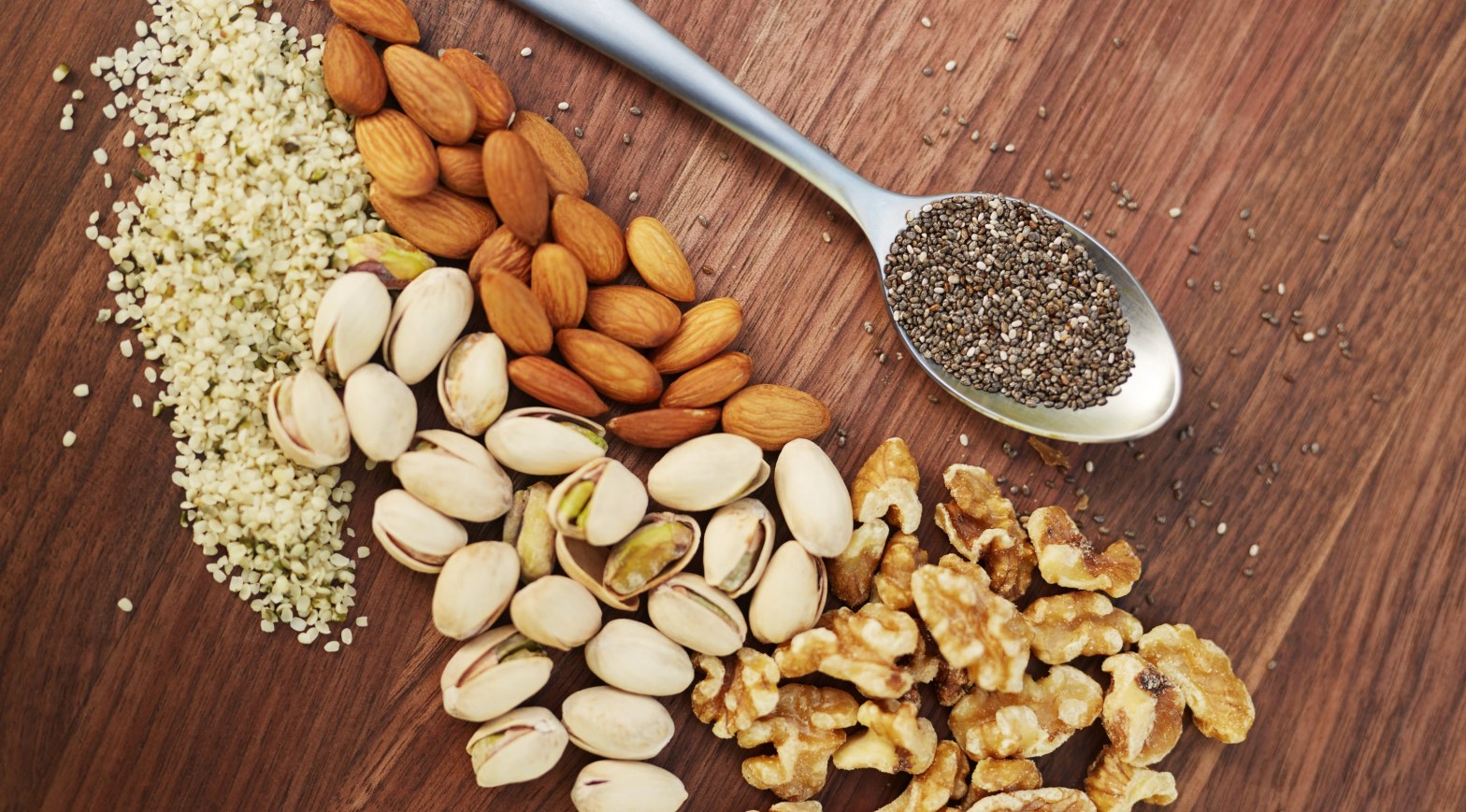
Nuts and seeds
Dairy products
Oily fish
Plenty of water

As you can see this really overlaps with the nutritional guidelines for your physical health I wrote about in this article.

In conclusion, balanced nutrition is very important for our body, including our brain. If we want to spend our every day on the highest potential possible it worth to switch to a healthy diet. Which is even more impressing for me, that food can even provide some sort of solution for mental health problems. I believe we have a very big power in our hands by being able to impact our body on these levels by only eating. This is a thing that we need to do daily anyway so why not to use it?


Continue reading “Our food and mental well being”

Calorie calculation

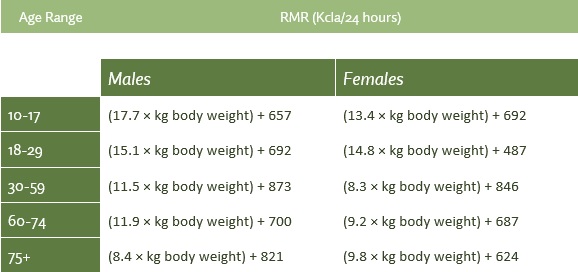
If you are wondering how to calculate your daily calorie intake this guide shows you the calculation method, you need to use. Your calorie intake depends on 4 factors: your age range, gender, weight and physical activity.  This calculation will show how many calories you need to consume to maintain your bodily functions and your actual weight. If your goal is to loos or gain weight than depending on that, you need to take or add plus calories.

A guide of the first part of calorie calculation is visible in this table:

All you need to know for this is your gender, age and weight and by using the correct calculation in the table you can tell your daily calorie need. When you are calculated this you are still not done, because this is the calorie intake you need when you donโ€™t burn any calories, although even your basic bodily functions are burning calories and you havenโ€™t even moved yet. So, as a next step you need to determine how active you are and multiply it with the correct number from the table below:

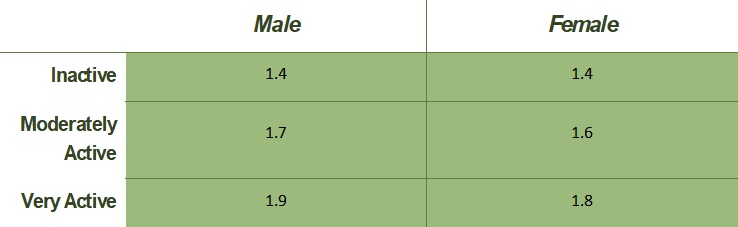
The multiplication of calories based on activity

Example for calculation:

Clair is 26 years old, 65 kg and she has an office job, but she does sport two times a week for 2 hours. This description places her in the moderately active section, so the calculation we need to use is the following: [(14.8 ร— 65) + 487] ร— 1.6 = 2318.4. We can see that she needs to eat 2318.4 calories if she wants to maintain her weight. Although if she would want to lose 5 kg than she would need to minus some calories from her daily intake as her goal is to burn more calories than what she eats.

I hope this guide gave you a deep enough understanding of the topic and you will be able to calculate your daily calorie intake depending on your goal. If you need help to calculate the calories you need for weight loss or gain I recommend to take a look at the calculator at Verywellfit. You only need to know your body parameters and your final goal to get a calculation of your daily calorie needs. This page also navigates you through weight loss and medically reviewed. Although never forget if you want to achieve extreme weight loss it is the best to consult with a dietitian as it has many risks. If you want to know more about the guidelines what your daily calories should include click here.

Read more

Problems of modern diet

Change your diet, change the world

Have you ever thought of changing your lifestyle to a healthier one? Have you ever thought that the society we live in is blocking you? Have you ever thought of the toxic food environment we are living in? Or if your eating habits are good for you and your environment?

Here Iโ€™m going to discuss topics connected to the effect of our eating habits on our health and the planet, what are our tools to change it, how our environment forms our eating habits and how to escape from it.

Eating is a part of everyoneโ€™s life and although it has a great effect on a lot of things, many people donโ€™t seem to think about it too much. Only if we think of it on a personal scale what we eat determines how much energy we will have during the day and not only the quantity but the quality of this energy. I think this carelessness happens for a very simple reason, that in 21st-century food is so easily available (especially for people living in the western society) that you can find something to eat wherever you are and whatever you do. People donโ€™t have to be afraid that if they get hungry, they wonโ€™t be able to eat anything. This also means that most of the people donโ€™t produce their own food anymore, so they are losing contact with the food preparation process.

Cooking is enjoyment

Here Iโ€™m not only talking about growing our own food and caring about our own animals but simply cooking. I see less and less people cooking in my surroundings and I guess the main reason is that ready-made food is very easily available, and cooking can be very time-consuming. But is it really so? Part of the problem that because of this the cooking habit stops passing from generation to generation and so many people are missing out as they donโ€™t learn how to cook at all. It wouldnโ€™t be a problem itself, the problem is that when people are not part of this process, they also not aware of the ingredients used in this process.

This lack of knowledge already resulted in a food environment which is harming our human society and also other habitats of the earth. On the other hand, this isnโ€™t a thing that we can blame on costumers, but the food professionals and the companies who are creating our food and are driven by profit. The nature of capitalism is to make profit, no matter of the cost, to be able to stay in the competition and to reach costumers as fast and as often as possible. This is the reason why these companies are taking advantage of our very basic human needs and drives. Our natural drive to crave foods which can give the biggest energy boost to our body and to eat as much as possible to survive in case if we donโ€™t get food for a while.

We also live in an age of information, which means it is very difficult to filter out the facts from the trends and the manipulations. It is especially hard to figure out if an eating trend is really good for you or the planet and if certain ingredients and farming methods are rather beneficial or harmful even on a human health scale or on the scale of the use of our resources.

It is not esy being green
It is not easy being green

With the sudden growth of the human population, our eating and farming habits seem to get unsustainable. It seems like we are not using our resources appropriately and definitely not responsibly. Here another question comes and that is if we as costumers can make any change from the bottom of this whole system and how. On the other hand, the question arises if we can change our eating habits which are harming us and our planet which is fundamental for our existence and how on earth we can do that when we are getting our food from the existing system.

It is a tough situation especially that it is not easy in itself to get rid of human habits as they are deeply wired in our brains and it takes a lot of work and effort to change them. On the other hand, we do have access for the information and for the tools we just have to find them, this is the thing in which I can offer help through this blog. This blog will be here to filter out information about food production and processing methods, about different diets and the nutritional needs of our body and what sort of effect different kind of diets have on our environment, last but not least, how can you change your eating habit on the way you want on a long term basis.


Follow:

And see more about the benefits of good food!


Read more

Basics of nutrition
We hear a lot about our bodyโ€™s nutritional needs, different nutrients we consume and how they affect different functions of our body. But what does nutrient mean exactly? Nutrients are the substances that we need for survival, as they provide the energy to our body cells. There are two big groups of these nutrients the macro- and micronutrients. As the name indicates macro nutrients are the ones which make the bigger part of our diets such as carbohydrates, fats and protein as well as water, meanwhile micronutrients are substances needed in smaller quantities in our body like vitamins and minerals. Now that we know what nutrients are, we can take a look at how much we need from them.

Can we miss certain nutrients from our diet?

As I mentioned before macronutrients are fats, carbs and protein. We hear a lot of things about these, but the information can be very confusing as some diets say you should avoid carbs, and some say to stay away from fats. Although, are these really based on hard facts? If we look at the definition of nutrients it states that they provide energy for our body and it canโ€™t be a coincidence that all these things are listed here. Our body has basic needs for these different groups of nutrients as they work in synergy and it is important to keep our intake balanced.

Which food contains which nutrient?

Most of the foods contain more than one nutrient at a time but we still can determine which food groups are the best source of certain nutrients. When people think of carbs the first thing that comes into their mind are probably different pastries, rice and sugar, although many other food groups contain carbs and probably people who say have a low carb diet consumes carbs in different forms. Other foods that contain carbs in high quantity are beans, lentils, chickpeas and quinoa but even fruits and veggies are containing some amount of carbohydrates, as fibre and sugar are types of carbohydrates.  As the word fat comes up our associations are fat, dairy and oil which means meat, nuts and seeds are the best source of fat. Furthermore, when we wonder about protein, peas and animal products might come into our mind. This information is quite accessible, but it still doesnโ€™t answer the question how much we should eat from these on a daily basis.

What is a calorie?

Sorry guys but here comes the boring part with all of the mathematics and theory, but I promise I will explain how it works in practice at the second part. Before we talk about reference intake, we need to examine what a calorie means. So, a calorie is a measurement like a kilogram, only that this measures the amount of heat required to raise the temperature of 1 kilogram of water by 1ยฐC. But then why do we use it related to food and our body? Thatโ€™s a good question. Our body takes energy from the food we eat, then it digests and “burns” it. In conclusion, it shows how much fuel our body needs to have enough energy to function during the day.

How many calories do we need?

The British nutrition foundation has determined reference intake for each of the required nutrients. These are based on the average of the specific groups of people so there can be personal differences, as someone might need a bit more or less. So, the overall reference macronutrient intake is around 2772 calories for an adult male aged 19-24 which steadily decreases and by the age of 75+ it is only 2294 calories. On the other hand, for a young woman, the daily reference intake is 2175 calories that goes down to 1840 by the age of 75.

If you are interested in how to calculate your calorie need you can find it here. For those people who are interested in transforming calories into grams can find guidelines on https://www.livestrong.com/, as I feel like nutritional guidelines are not made to understand easily, as different measures are used. They determine the energy intake in calories but then specify the nutrients in grams.

How much of the nutrients should we eat a day?

To explain the intake of different nutrients I will use the example intake of a young man. From the 2772 calories, 1386 (50%) should be from carbohydrates, which shows how important this nutrient is, 970 (35%) calories should be from fats and 200 (7%) from protein. For those for whom it is easier to understand it in grams (as the nutrition information on packaging uses grams usually), it means 346 grams of carbs, 107 grams of fat and 50 grams of protein. Although, donโ€™t forget that saturated fats should be kept down on 33 grams and free sugars on 34.5 grams. I used the example of young men, as they have the highest energy intake, which means that everyone should stay under these recommendations.


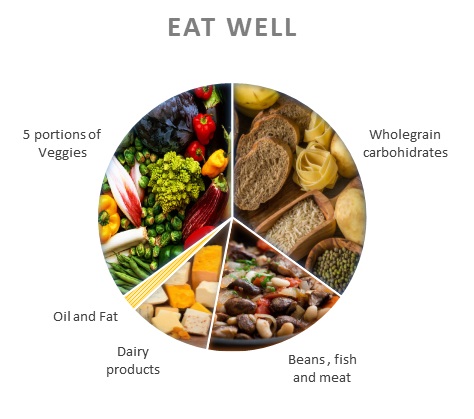
So how does it look in practice, how can we determine what to eat a day without any complicated mathematics? The eat well guide of NHS gives a good visual example of how much we should eat during the day from different food groups, and we can also see it on the picture belove.

Eatwell guide of NHS

Easy guidelines without counting calories

Even if we canโ€™t follow these guidelines it can make no harm rising our fruit and vegetable intake, the intake of wholegrain carbohydrates and to lower our fat (especially saturated fats) and sugar intake. These goals can be reached by easy practices like eating fruit after each meal or replacing our morning piece of bread by its wholegrain alternative or even by wholegrain cereal. Furthermore, it can also be beneficial to replace the sugary drinks by water as it is a good way to save money and benefit to our body at the same time.

You have maybe realised that I only wrote about the macronutrients in this article, as the topic of micronutrients is so big that it will need a separate article itself. I hope this article helped you a bit to guide yourself in the stores and the confusion of calories.

Follow:

And see more about the benefits of good food!


Read more

Design a site like this with WordPress.com
Get started