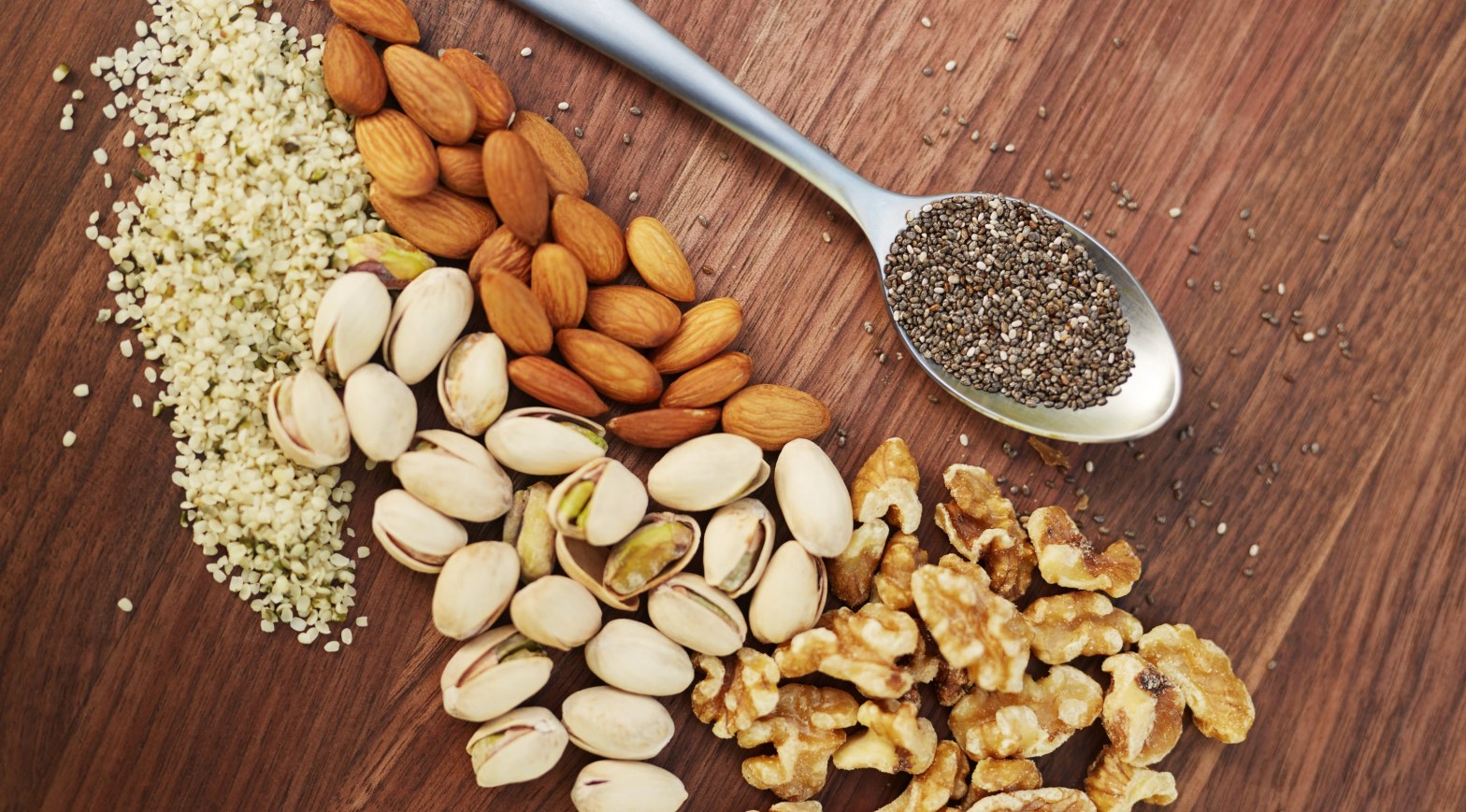
We hear a lot about our body’s nutritional needs, different nutrients we consume and how they affect different functions of our body. But what does nutrient mean exactly? Nutrients are the substances that we need for survival, as they provide the energy to our body cells. There are two big groups of these nutrients the macro- and micronutrients. As the name indicates macro nutrients are the ones which make the bigger part of our diets such as carbohydrates, fats and protein as well as water, meanwhile micronutrients are substances needed in smaller quantities in our body like vitamins and minerals. Now that we know what nutrients are, we can take a look at how much we need from them.
Can we miss certain nutrients from our diet?
As I mentioned before macronutrients are fats, carbs and protein. We hear a lot of things about these, but the information can be very confusing as some diets say you should avoid carbs, and some say to stay away from fats. Although, are these really based on hard facts? If we look at the definition of nutrients it states that they provide energy for our body and it can’t be a coincidence that all these things are listed here. Our body has basic needs for these different groups of nutrients as they work in synergy and it is important to keep our intake balanced.
Which food contains which nutrient?

Most of the foods contain more than one nutrient at a time but we still can determine which food groups are the best source of certain nutrients. When people think of carbs the first thing that comes into their mind are probably different pastries, rice and sugar, although many other food groups contain carbs and probably people who say have a low carb diet consumes carbs in different forms. Other foods that contain carbs in high quantity are beans, lentils, chickpeas and quinoa but even fruits and veggies are containing some amount of carbohydrates, as fibre and sugar are types of carbohydrates. As the word fat comes up our associations are fat, dairy and oil which means meat, nuts and seeds are the best source of fat. Furthermore, when we wonder about protein, peas and animal products might come into our mind. This information is quite accessible, but it still doesn’t answer the question how much we should eat from these on a daily basis.
What is a calorie?
Sorry guys but here comes the boring part with all of the mathematics and theory, but I promise I will explain how it works in practice at the second part. Before we talk about reference intake, we need to examine what a calorie means. So, a calorie is a measurement like a kilogram, only that this measures the amount of heat required to raise the temperature of 1 kilogram of water by 1°C. But then why do we use it related to food and our body? That’s a good question. Our body takes energy from the food we eat, then it digests and “burns” it. In conclusion, it shows how much fuel our body needs to have enough energy to function during the day.
How many calories do we need?
The British nutrition foundation has determined reference intake for each of the required nutrients. These are based on the average of the specific groups of people so there can be personal differences, as someone might need a bit more or less. So, the overall reference macronutrient intake is around 2772 calories for an adult male aged 19-24 which steadily decreases and by the age of 75+ it is only 2294 calories. On the other hand, for a young woman, the daily reference intake is 2175 calories that goes down to 1840 by the age of 75.
If you are interested in how to calculate your calorie need you can find it here. For those people who are interested in transforming calories into grams can find guidelines on https://www.livestrong.com/, as I feel like nutritional guidelines are not made to understand easily, as different measures are used. They determine the energy intake in calories but then specify the nutrients in grams.
How much of the nutrients should we eat a day?

To explain the intake of different nutrients I will use the example intake of a young man. From the 2772 calories, 1386 (50%) should be from carbohydrates, which shows how important this nutrient is, 970 (35%) calories should be from fats and 200 (7%) from protein. For those for whom it is easier to understand it in grams (as the nutrition information on packaging uses grams usually), it means 346 grams of carbs, 107 grams of fat and 50 grams of protein. Although, don’t forget that saturated fats should be kept down on 33 grams and free sugars on 34.5 grams. I used the example of young men, as they have the highest energy intake, which means that everyone should stay under these recommendations.
So how does it look in practice, how can we determine what to eat a day without any complicated mathematics? The eat well guide of NHS gives a good visual example of how much we should eat during the day from different food groups, and we can also see it on the picture belove.
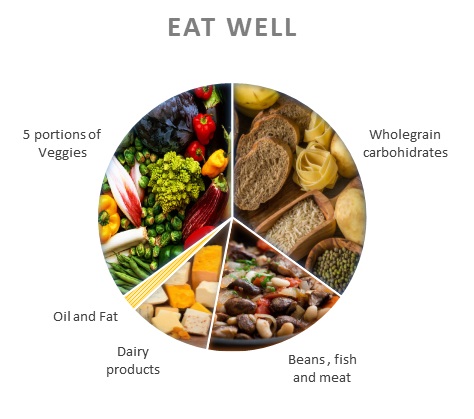
Easy guidelines without counting calories
Even if we can’t follow these guidelines it can make no harm rising our fruit and vegetable intake, the intake of wholegrain carbohydrates and to lower our fat (especially saturated fats) and sugar intake. These goals can be reached by easy practices like eating fruit after each meal or replacing our morning piece of bread by its wholegrain alternative or even by wholegrain cereal. Furthermore, it can also be beneficial to replace the sugary drinks by water as it is a good way to save money and benefit to our body at the same time.
You have maybe realised that I only wrote about the macronutrients in this article, as the topic of micronutrients is so big that it will need a separate article itself. I hope this article helped you a bit to guide yourself in the stores and the confusion of calories.
Follow:
And see more about the benefits of good food!
 Foodaware
4 thoughts on “Basics of nutrition”